
A nurse is implementing seizure precautions for a client who has a seizure disorder.
Which of the following equipment should the nurse place at the client's bedside? (Select all that apply.).
Limb restraints.
Blood glucose monitor.
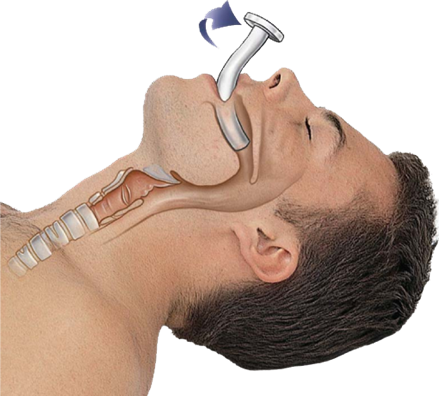
Oral airway.
Supplemental oxygen supplies.
Oral suction equipment.
Correct Answer : C,D,E
An oral airway can help maintain an open airway during a seizure.
Supplemental oxygen supplies can be used to provide oxygen if the client’s breathing is compromised.
Oral suction equipment can be used to clear secretions from the client’s mouth and prevent aspiration.
Limb restraints: Restraints should not be used during a seizure as they can cause injury.
Blood glucose monitor: While it is important to monitor blood glucose levels in clients with seizures, it is not a priority during a seizure.
Nursing Test Bank
Naxlex Comprehensive Predictor Exams
Related Questions
Correct Answer is B
Explanation
When preparing medication from a vial for subcutaneous injection for a client, the nurse should hold the vial with the top facing upward while injecting air into the vial.
This is because injecting air into the vial equalizes the pressure inside and makes it easier to withdraw the medication 1.
Choice A is wrong because holding the syringe so that bubbles collect at the level of the plunger is not necessary when preparing medication from a vial.
Choice C is wrong because injecting air into the vial with the eye of the needle immersed in the fluid can contaminate the medication.
Choice D is wrong because holding the syringe at a 45° angle is not necessary when verifying dosage.
Correct Answer is A
Explanation
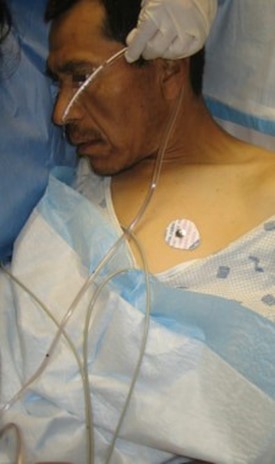
When administering multiple medications via an NG tube, each medication should be prepared separately by crushing (if appropriate) and diluting it with sterile water. This method helps prevent drug interactions, ensures that medications are adequately dissolved, and minimizes the risk of clogging the tube.
Choice B is wrong because medications should not be combined with the formula in the feeding bag.
Choice C is wrong because the NG tube should be flushed with at least 15 to 30 mL of water before and after drug delivery.
Choice D is wrong because each medication should be administered separately when it is being given at the same time.
Whether you are a student looking to ace your exams or a practicing nurse seeking to enhance your expertise , our nursing education contents will empower you with the confidence and competence to make a difference in the lives of patients and become a respected leader in the healthcare field.
Visit Naxlex, invest in your future and unlock endless possibilities with our unparalleled nursing education contents today