
A nurse is instructing a client on how to decrease the nausea associated with chemotherapy and radiation. Which of the following statements indicates an understanding of the teaching?
"I will eat foods that are served at room temperature."
"I will increase the amount of unsaturated fats in my diet."
"I will drink more liquids with my meals."
"I will eat smaller meals if I feel nauseated."
The Correct Answer is A
Choice A reason: Eating foods at room temperature can help reduce nausea because strong odors from hot foods can increase the feeling of nausea.
Choice B reason: Increasing unsaturated fats is not specifically related to managing nausea and may not be beneficial in this context.
Choice C reason: Drinking more liquids with meals can sometimes increase nausea; it's often recommended to drink fluids between meals instead.
Choice D reason: Eating smaller meals can help manage nausea because large meals can overwhelm the digestive system when it's sensitive due to treatment.
Nursing Test Bank
Naxlex Comprehensive Predictor Exams
Related Questions
Correct Answer is C
Explanation
Choice A: Sleepy, but arousing when the name is called
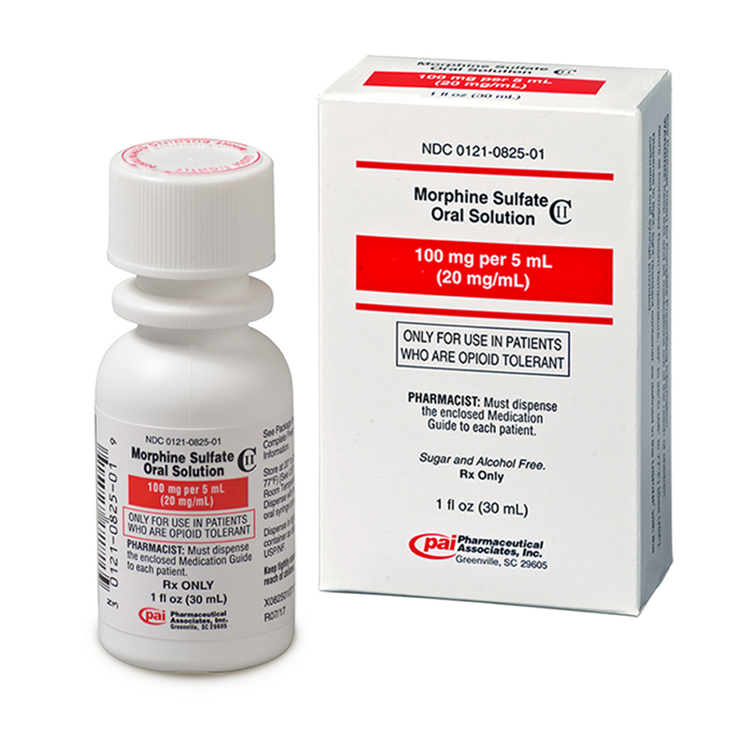
Feeling sleepy after receiving morphine is a common side effect. However, the fact that the client can be aroused when their name is called suggests that this is not necessarily an adverse effect.
The nurse should continue monitoring the client but may not consider this as a significant adverse reaction.
Choice B: Pain level of 6 on a scale from 0 to 10
Pain relief is one of the intended effects of morphine. Therefore, experiencing pain reduction is not an adverse effect.
The nurse would likely view this as a positive response to the medication.
Choice C: Respiratory rate of 8/min
A respiratory rate of 8 breaths per minute is significantly low and indicates respiratory depression, which is a serious adverse effect of morphine.
The nurse should be concerned about this finding and take appropriate action.
Choice D: SaO2 94%
An oxygen saturation (SaO2) level of 94% is within the normal range (usually 95% or higher). It is unlikely to be directly related to morphine administration.
While this value is not concerning, the nurse should continue monitoring the client's oxygen saturation.
Correct Answer is B
Explanation
Choice A reason: Applying a tourniquet just below the elbow is not recommended as the first line of action for a deep laceration unless there is life-threatening hemorrhaging that cannot be controlled by direct pressure. Tourniquets are used as a last resort because they can cause tissue damage.
Choice B reason: Elevating the limb and applying ice can help reduce bleeding and swelling. Elevation uses gravity to help reduce blood flow to the injury, and the cold from the ice constricts blood vessels, further helping to control bleeding and reduce swelling.
Choice C reason: Cleaning the wound is important, but it should not be the first action taken. The initial focus should be on stopping the bleeding. Once bleeding is controlled, the wound can be cleaned to prevent infection.
Choice D reason: Applying pressure directly to the wound with a clean cloth or bandage is the first step in controlling bleeding. However, the question specifies applying pressure above the wound, which would not be effective in controlling bleeding from the wound itself.
Whether you are a student looking to ace your exams or a practicing nurse seeking to enhance your expertise , our nursing education contents will empower you with the confidence and competence to make a difference in the lives of patients and become a respected leader in the healthcare field.
Visit Naxlex, invest in your future and unlock endless possibilities with our unparalleled nursing education contents today