
A nurse is planning an in-service that encourages active member participation and feedback about decreasing nosocomial infections on the unit. Which of the following leadership styles does the nurse plan to use?
Democratic
Laissez-faire
Autocratic
Open-door
The Correct Answer is A
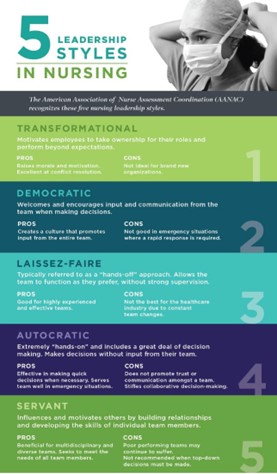
The nurse is planning to use a democratic leadership style when conducting an in-service that encourages active member participation and feedback about decreasing nosocomial infections on the unit. A democratic leader values the input and opinions of team members and encourages participation and collaboration in decision-making. By encouraging active participation and feedback from team members, the nurse is demonstrating a democratic approach to leadership.
The other options are not the leadership style that the nurse plans to use in this situation. A laissez-faire leader [b] takes a hands-on approach and allows team members to make their own decisions without providing guidance or direction. An autocratic leader [c] makes decisions unilaterally without seeking input or feedback from team members. An open-door leader [d] maintains an open-door policy and is accessible to team members, but this does not necessarily involve active participation and feedback from team members.
Nursing Test Bank
Naxlex Comprehensive Predictor Exams
Related Questions
Correct Answer is B
Explanation
When preparing to administer medications, the nurse carefully confirms the drug order and the patient's identity. This adherence to an essential ethical principle is Non-maleficence. Non-maleficencerefers to the principle of "do no harm" and requires healthcare providers to avoid causing harm to their patients.
Option A refers to wrongdoing or misconduct and is not applicable in this situation.
Option C refers to truthfulness and honesty, but it is not the primary principle being demonstrated in this situation.
Option D refers to fairness and equality, but it is not the primary principle being demonstrated in this situation.
Correct Answer is B
Explanation
A nurse's best protection against negligence or malpractice is to follow the standards of practice. These standards define the acceptable level of care that a nurse is expected to provide and are based on current evidence and professional consensus. By adhering to these standards, a nurse can demonstrate that they have provided care that meets the expected level of quality and safety.
The other options are not the best protection against negligence or malpractice. Asking permission from the managing nurse prior to performing any duties [a] may be helpful in some situations, but it is not a guarantee against negligence or malpractice. Never being alone with a patient [c] is not practical or necessary for providing safe and effective care. Recording patient interactions with your phone [d] may violate patient privacy and is not an effective way to prevent negligence or malpractice.
Whether you are a student looking to ace your exams or a practicing nurse seeking to enhance your expertise , our nursing education contents will empower you with the confidence and competence to make a difference in the lives of patients and become a respected leader in the healthcare field.
Visit Naxlex, invest in your future and unlock endless possibilities with our unparalleled nursing education contents today