
A nurse is planning care for a 6-month-old infant who has bacterial meningitis. Which of the following interventions should the nurse include in the plan of care?
Keep the television on in the room to provide background noise.
Provide frequent range of motion to the neck and shoulders.
Pad the side rails of the crib.
Place the infant in a semiprivate room.
The Correct Answer is C
Pad the side rails of the crib.

Padding the side rails of the crib can help prevent injury if the infant experiences seizures, which can be a symptom of bacterial meningitis.
Choice A is wrong because infants with bacterial meningitis may be sensitive to noise and light, so keeping the television on may not be appropriate.
Choice B is wrong because range of motion exercises to the neck and shoulders may not be appropriate for an infant with bacterial meningitis.
Choice D is wrong because placing the infant in a semiprivate room may increase the risk of infection 1.
Nursing Test Bank
Naxlex Comprehensive Predictor Exams
Related Questions
Correct Answer is A
Explanation
The first action the nurse should take is to elevate the child’s leg.

This is choice A. Elevating the child’s leg can help reduce swelling and improve circulation.
After elevating the child’s leg, the nurse can then administer pain medication (choice B), petal the edges of the cast (choice C), and teach the child about cast care (choice D).
Correct Answer is D
Explanation
Provide for periods of rest.
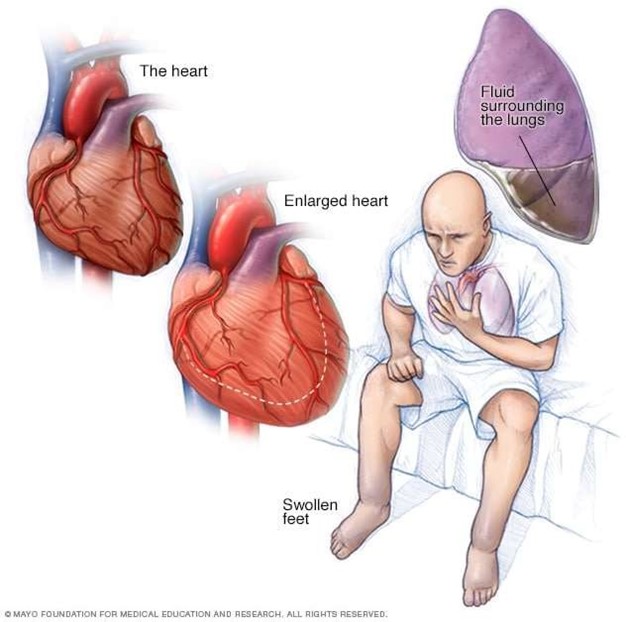
Children with heart failure may have trouble breathing, especially with activity, and may feel tired.
It is important for them to have periods of rest to help manage their symptoms.
Choice A is wrong because increasing the child’s oxygen flow rate should be done under the guidance of a healthcare provider.
Choice B is wrong because it is important to monitor the child’s weight more frequently than once a month.
Choice C is wrong because digoxin is a medication that can help the heart beat stronger with a more regular rhythm and should not be withheld based on pulse rate alone.
Whether you are a student looking to ace your exams or a practicing nurse seeking to enhance your expertise , our nursing education contents will empower you with the confidence and competence to make a difference in the lives of patients and become a respected leader in the healthcare field.
Visit Naxlex, invest in your future and unlock endless possibilities with our unparalleled nursing education contents today