
A nurse is planning priority interventions for a community health program. Which of the following interventions should the nurse include?
Encourage enrollment and attendance at weight reduction programs.
Educate children at a day care center about nutrition and exercise.
Distribute health risk appraisal questionnaires at community functions.
Measure the BMI of older adults at a community senior center.
The Correct Answer is B
Choice A reason: Encouraging enrollment and attendance at weight reduction programs is not a priority intervention, as it targets a specific population and does not address the root causes of obesity. It may also have low participation and adherence rates.
Choice B reason: Educating children at a day care center about nutrition and exercise is a priority intervention, as it promotes primary prevention and health promotion. It can also have a positive impact on the children's health behaviors, attitudes, and outcomes, as well as influence their families and communities.
Choice C reason: Distributing health risk appraisal questionnaires at community functions is not a priority intervention, as it is a passive and indirect approach. It may not reach the most vulnerable or at-risk populations, and it does not provide any education or follow-up.
Choice D reason: Measuring the BMI of older adults at a community senior center is not a priority intervention, as it is a secondary prevention strategy that focuses on screening and detection. It does not address the prevention or management of obesity or its complications.
Nursing Test Bank
Naxlex Comprehensive Predictor Exams
Related Questions
Correct Answer is B
Explanation
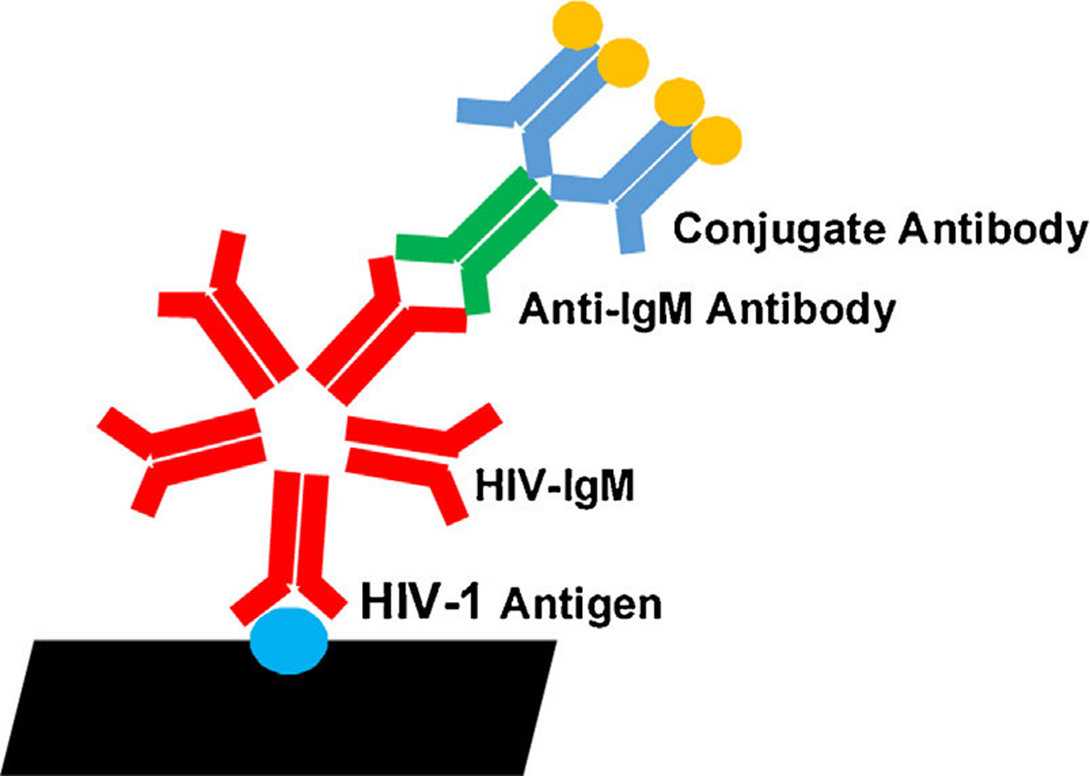
Choice A reason: The test does not monitor the progression of the disease, as it only detects the presence of antibodies to HIV, not the amount of virus or the damage to the immune system. Other tests, such as viral load and CD4 count, are used to monitor the progression of HIV infection and the response to treatment.
Choice B reason: The test measures antibodies to the virus, which are produced by the immune system in response to HIV infection. The test is used to screen for HIV infection and to confirm the diagnosis. A positive result indicates that the person has been exposed to HIV and has developed antibodies to the virus.
Choice C reason: The test results are not accurate 24 hours after exposure to the virus, as it takes time for the body to produce enough antibodies to be detected by the test. The window period, which is the time between exposure to HIV and a positive test result, varies from person to person, but it can range from 3 weeks to 3 months. Therefore, a negative result does not necessarily rule out HIV infection, and a repeat test may be needed after the window period.
Choice D reason: A positive result does not require initiating immunoglobulin administration, as immunoglobulin is not a treatment for HIV infection. Immunoglobulin is a preparation of antibodies that can provide temporary protection against some infections, but it does not affect HIV. A positive result requires further confirmation by a more specific test, such as the Western blot, and referral to a specialist for treatment and counseling.
Correct Answer is B
Explanation
Choice A reason: Providing the client with a printed recipe is not the first action that the nurse should take when assisting this client. The nurse should first assess the client's current dietary practices and preferences, and then provide culturally appropriate and individualized education and guidance.
Choice B reason: Observing the client during preparation of traditional foods is the first action that the nurse should take when assisting this client. This will help the nurse to understand the client's cultural values and beliefs, as well as the ingredients and methods used in preparing the foods. The nurse can then offer suggestions on how to modify the recipes to fit the client's meal plan.
Choice C reason: Using cookbooks to include traditional foods in meal plans is not the first action that the nurse should take when assisting this client. The nurse should first observe the client's food choices and cooking techniques, and then collaborate with the client to find cookbooks that are suitable for the client's culture and health condition.
Choice D reason: Explaining diabetes exchange list is not the first action that the nurse should take when assisting this client. The nurse should first observe the client's eating habits and patterns, and then educate the client on how to use the exchange list to plan balanced meals that include traditional foods.
Whether you are a student looking to ace your exams or a practicing nurse seeking to enhance your expertise , our nursing education contents will empower you with the confidence and competence to make a difference in the lives of patients and become a respected leader in the healthcare field.
Visit Naxlex, invest in your future and unlock endless possibilities with our unparalleled nursing education contents today