
A nurse is planning to discharge a client who has terminal cancer and suggests that the family might benefit from respite services. When the client's partner asks how this service can help, which of the following responses by the nurse is appropriate?
"The clinicians help reduce the severity of your wife's physical problems."
"This service delivers meals and supplies to reduce your errands away from home."
"It makes it possible for you to have some time away from caring for your wife."
"This service offers psychological interventions during and after your wife's illness."
The Correct Answer is C
Choice A reason: This is not the correct choice because this response is inaccurate and misleading. Respite services do not provide medical care or treatment for the client, but rather temporary relief and support for the family caregivers. The nurse should not give false hope or unrealistic expectations to the client's partner.
Choice B reason: This is not the correct choice because this response is incomplete and vague. Respite services may include some practical assistance such as meal delivery or housekeeping, but their main purpose is to provide emotional and social support for the family caregivers. The nurse should explain how respite services can help the client's partner cope with the stress and challenges of caregiving.
Choice C reason: This is the correct choice because this response is accurate and clear. Respite services can provide the client's partner with some time off from their caregiving duties, which can help them recharge their energy, attend to their own needs, and maintain their well-being. The nurse should emphasize the benefits of respite services for the client's partner and their relationship with the client.
Choice D reason: This is not the correct choice because this response is confusing and irrelevant. Respite services do not offer psychological interventions for the client or the family, but rather companionship and support. The nurse should not imply that the client's partner needs therapy or counseling, which may be perceived as judgmental or insensitive.
Nursing Test Bank
Naxlex Comprehensive Predictor Exams
Related Questions
Correct Answer is D
Explanation
Choice A reason: This is not the correct choice because witnessing the client signing the consent form is not a valid option. The client is a minor and cannot legally consent to their own treatment without the permission of their guardian, unless they are emancipated, married, or pregnant.
Choice B reason: This is not the correct choice because asking the adult neighbor to sign the consent form is not a valid option. The adult neighbor is not a legal guardian or a close relative of the client and has no authority to consent to the client's treatment.
Choice C reason: This is not the correct choice because obtaining consent from the hospital administrator is not a valid option. The hospital administrator is not a medical professional or a legal representative of the client and has no authority to consent to the client's treatment.
Choice D reason: This is the correct choice because attempting to notify the client's guardian to obtain consent is the best option. The client's guardian is the person who has the legal right and responsibility to make decisions for the client's health care. The nurse should try to contact the guardian by phone or other means and obtain verbal or written consent for the emergency surgery. If the guardian cannot be reached, the nurse should follow the facility's policy and procedure for obtaining consent in emergency situations.
Correct Answer is A
Explanation
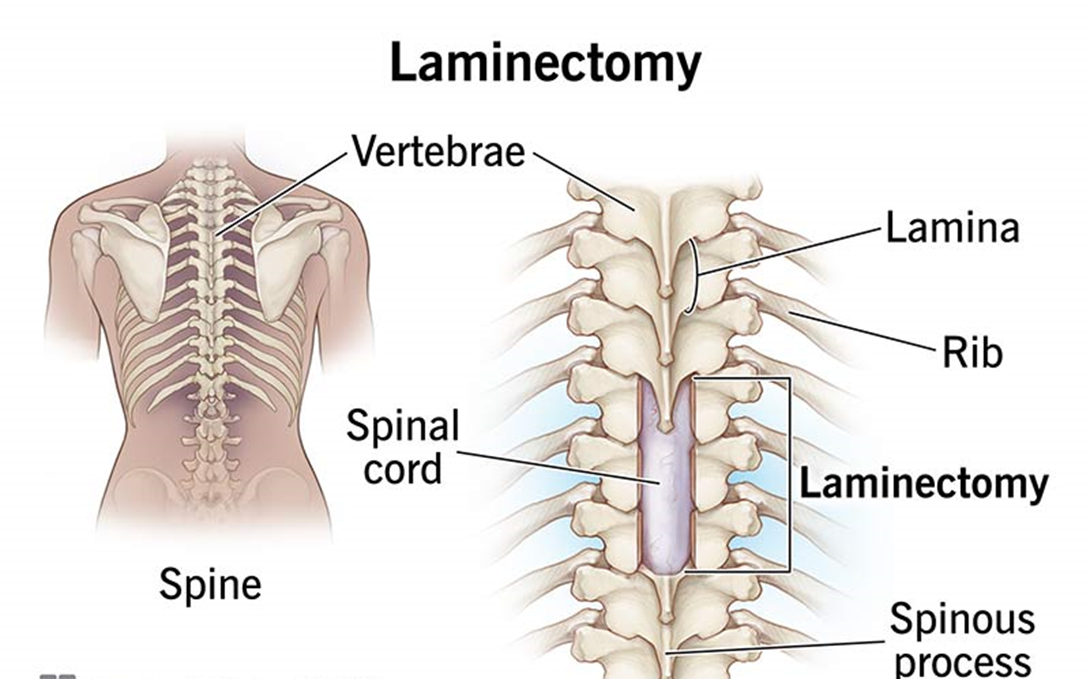
Choice A reason: This is the correct choice because this client has the most urgent and potentially life-threatening problem. Urinary retention after spinal surgery can lead to bladder distension, infection, renal damage, or autonomic dysreflexia (a dangerous rise in blood pressure and heart rate). The nurse should assess the client's bladder, catheterize the client if indicated, and notify the surgeon.
Choice B reason: This is not the correct choice because this client has a serious but not urgent problem. Pancreatic cancer is a malignant tumor that can affect the function of the pancreas and other organs. IV chemotherapy is a treatment that uses drugs to kill cancer cells. The nurse should provide emotional support, education, and symptom management to this client, but they are not the highest priority.
Choice C reason: This is not the correct choice because this client has a chronic but not acute problem. Peripheral vascular disease is a condition that affects the blood vessels outside the heart and brain, causing reduced blood flow to the limbs. An absent pedal pulse indicates poor circulation in the foot, which can lead to pain, numbness, or tissue damage. The nurse should monitor the client's pulses, skin temperature, and color, and teach the client how to prevent complications, but they are not the highest priority.
Choice D reason: This is not the correct choice because this client has a stable but not critical problem. MRSA is a type of bacteria that is resistant to many antibiotics and can cause skin or systemic infections. An axillary temperature of 38°C (101°F) indicates a mild fever, which is a common sign of infection. The nurse should administer antibiotics as prescribed, observe the client for signs of sepsis, and follow infection control precautions, but they are not the highest priority.
Whether you are a student looking to ace your exams or a practicing nurse seeking to enhance your expertise , our nursing education contents will empower you with the confidence and competence to make a difference in the lives of patients and become a respected leader in the healthcare field.
Visit Naxlex, invest in your future and unlock endless possibilities with our unparalleled nursing education contents today