
A nurse is preparing a presentation about alcohol withdrawal. Which of the following findings should the nurse include in the presentation?
Decreased blood pressure
Respiratory depression
Muscle aches
Hallucinations
The Correct Answer is D
D. Hallucinations, particularly visual hallucinations, are a common manifestation of alcohol withdrawal, typically occurring within 12 to 24 hours after the last drink. These hallucinations can be vivid and may involve seeing objects, people, or animals that are not actually present.
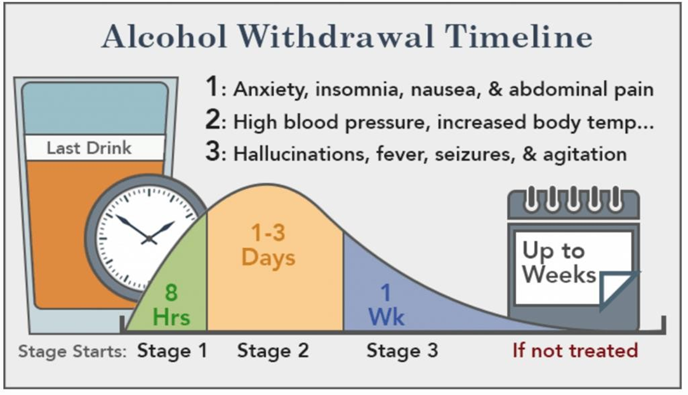
A. Hypertension (high blood pressure) is more commonly associated with alcohol withdrawal, especially during the acute phase.
B. Respiratory depression, characterized by slowed or shallow breathing, is not a typical feature of alcohol withdrawal.
C. Muscle aches are not typically associated with alcohol withdrawal. Instead, symptoms such as tremors, agitation, and insomnia are more common during alcohol withdrawal.
Nursing Test Bank
Naxlex Comprehensive Predictor Exams
Related Questions
Correct Answer is B
Explanation
B. Continuous rocking of the body, is a repetitive behavior commonly observed in children with ASD. This behavior, known as stereotypy or self-stimulatory behavior, involves repetitive movements such as rocking, hand-flapping, or spinning, which are often self-soothing or self- regulating in nature.
A. Some children with ASD may struggle with tasks involving language comprehension or processing, such as reading instructions. However, this difficulty is not universal among all children with ASD and can vary depending on individual strengths and challenges.
C. Some children with ASD may have challenges with language and communication skills but including spelling, this difficulty is not specific to ASD.
D. Memory difficulties can be associated with various neurodevelopmental conditions, including ASD, but they are not a defining characteristic of ASD.
Correct Answer is A
Explanation
A. Phase 1 of the cycle of violence, also known as the tension-building phase, is characterized by increasing tension and conflict between the parties involved in the abusive relationship. During this phase, arguments, disagreements, and conflicts escalate in frequency and intensity.
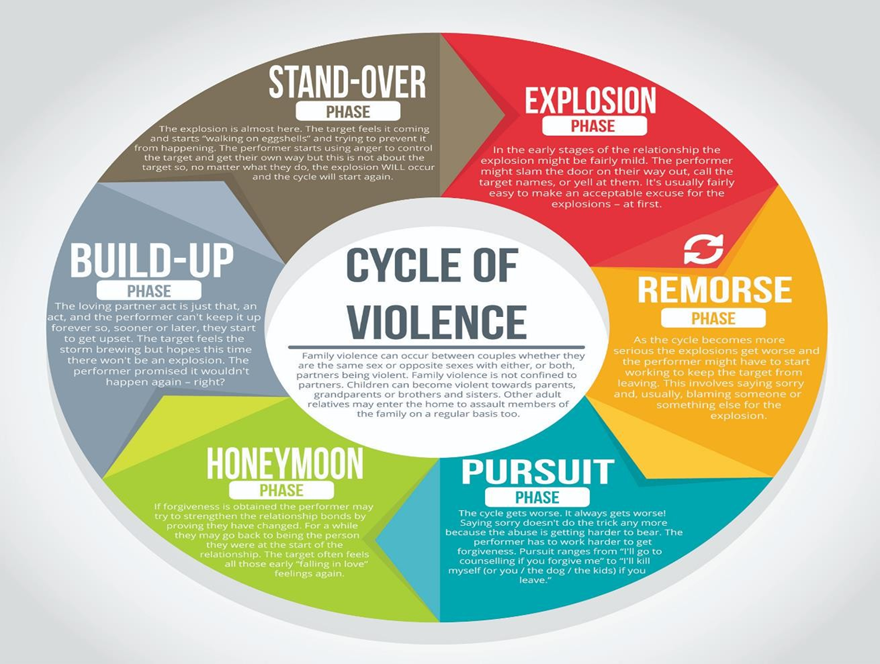
B Physical harm typically occurs during phase 2 of the cycle of violence, known as the acute or explosion phase.
C. This phase follows the acute phase and is characterized by the perpetrator expressing remorse, making excuses for their behavior, or attempting to reconcile with the victim through gestures of affection, gifts, or promises to change. However, these promises are often short- lived and may be followed by a return to tension-building behavior and the cycle of violence repeating.
D. Law enforcement involvement is not specific to phase 1 of the cycle, during which tensions are escalating and conflicts are increasing in frequency.
Whether you are a student looking to ace your exams or a practicing nurse seeking to enhance your expertise , our nursing education contents will empower you with the confidence and competence to make a difference in the lives of patients and become a respected leader in the healthcare field.
Visit Naxlex, invest in your future and unlock endless possibilities with our unparalleled nursing education contents today