
A nurse is applying a nitroglycerin transdermal patch for a client who has angina. Which of the following actions should the nurse take?
Apply the patch to a hairless area of the skin.
Apply a 4x4 dressing over the patch.
Apply the patch to the same site every 24 hr.
Apply the patch to a bony prominence on the chest.
The Correct Answer is A
Choice A Reason:
Apply the patch to a hairless area of the skin is correct. Nitroglycerin patches should be applied to a clean, hairless area of the skin to ensure proper absorption of the medication. Hair can interfere with the patch's adherence and the absorption of nitroglycerin into the bloodstream. The site chosen should be rotated to prevent skin irritation or tolerance development. Commonly used areas include the chest, upper arms, or torso, but it's important to follow specific instructions provided by the healthcare provider.
Choice B Reason:
Apply a 4x4 dressing over the patch is incorrect. Covering the nitroglycerin patch with a dressing may interfere with its absorption and effectiveness. These patches are designed to be applied directly to the skin without covering.
Choice C Reason:
Apply the patch to the same site every 24 hr is incorrect. Repeatedly applying the patch to the same site increases the risk of skin irritation or tolerance to the medication. It's crucial to rotate patch sites to avoid these issues.
Choice D Reason:
Apply the patch to a bony prominence on the chest is incorrect. Nitroglycerin patches should not be placed on bony prominences because these areas can be uncomfortable and may not provide optimal absorption. Instead, they are typically applied to relatively flat, hairless areas of the skin.
Nursing Test Bank
Naxlex Comprehensive Predictor Exams
Related Questions
Correct Answer is C
Explanation
Choice A Reason:
Dark amber urine is incorrect. Dark urine can indicate concentrated urine, often seen in dehydration when the body is trying to conserve water.
Choice B Reason:
Decreased skin turgor is incorrect. Decreased skin turgor is a classic sign of dehydration, indicating that the skin lacks elasticity due to insufficient fluid intake or loss.
Choice C Reason:
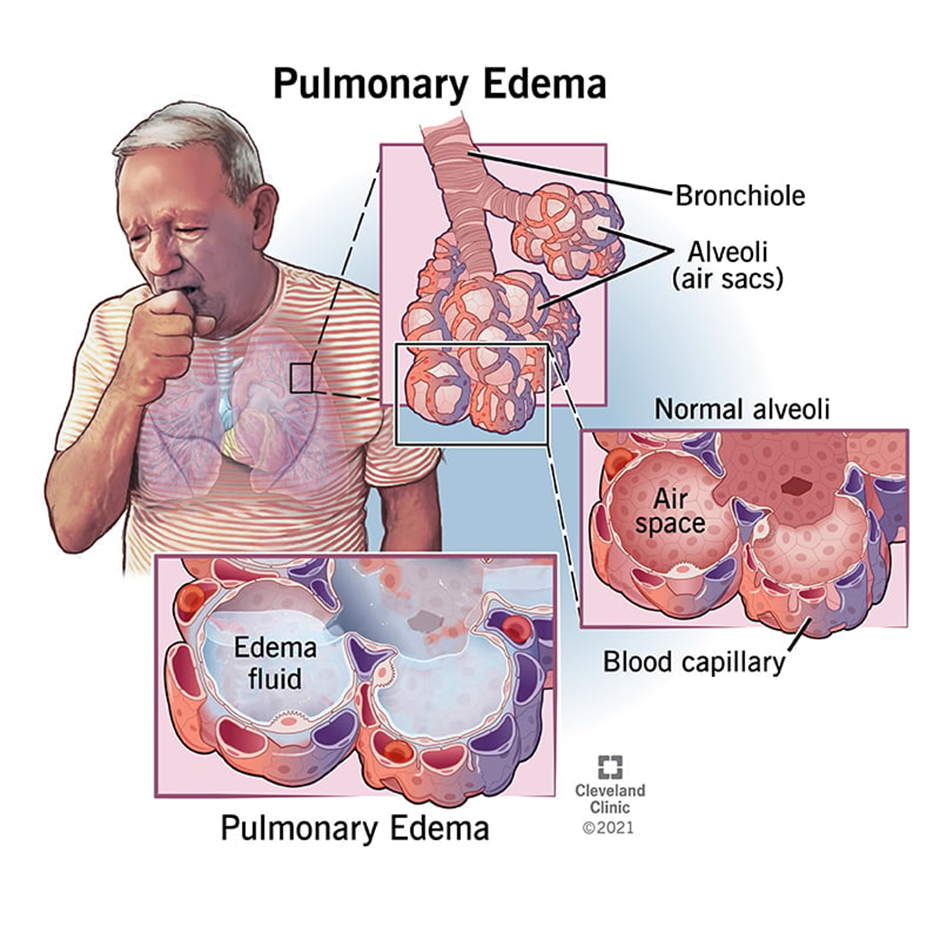
Pink, frothy sputum is correct. Normal saline is a common intravenous solution used to treat dehydration. However, in some cases, especially when administered in excessive amounts, it can lead to fluid overload or pulmonary edema. This can manifest as pink, frothy sputum, indicating potential pulmonary congestion or edema, which is a serious adverse effect of fluid overload.
Choice D Reason:
Increased bowel sounds is incorrect. Increased bowel sounds can be seen in various conditions, including gastrointestinal disturbances or hyperactive bowel motility, but it's not typically associated with the adverse effects of normal saline administration.
Correct Answer is C
Explanation
Choice A Reason:
Nausea is incorrect. Nausea is a common side effect of many medications, including antibiotics like amoxicillin. While it can be a side effect of an allergic reaction, it's also a general symptom that can occur due to various reasons, such as gastrointestinal upset or the direct effects of the antibiotic on the stomach lining. Nausea alone is less specific for indicating an allergic reaction compared to severe symptoms like laryngeal edema.
Choice B Reason:
Insomnia is incorrect. Insomnia, or difficulty sleeping, is not a typical manifestation of an allergic reaction to amoxicillin. Allergic reactions usually involve more immediate and visible symptoms such as skin rash, itching, swelling, difficulty breathing, or in severe cases, anaphylaxis. Insomnia is not a common symptom associated with allergic responses to antibiotics.
Choice C Reason:
Laryngeal edema is correct. Laryngeal edema, or swelling of the larynx, is a serious symptom of an allergic reaction known as anaphylaxis. This severe allergic reaction can be life-threatening due to its potential to obstruct the airway, leading to breathing difficulties.
Choice D Reason:
Cardiac dysrhythmia is incorrect. While medications can sometimes affect heart rhythms, cardiac dysrhythmia is not a common symptom of an allergic reaction to amoxicillin. Allergic reactions tend to manifest with more immediate symptoms like skin reactions, respiratory issues, or swelling rather than primarily affecting the heart rhythm.

Whether you are a student looking to ace your exams or a practicing nurse seeking to enhance your expertise , our nursing education contents will empower you with the confidence and competence to make a difference in the lives of patients and become a respected leader in the healthcare field.
Visit Naxlex, invest in your future and unlock endless possibilities with our unparalleled nursing education contents today