
A nurse is preparing to insert an IV catheter for a client following a right mastectomy.
Which of the following veins should the nurse select when initiating IV therapy?
The cephalic vein on the back of the right hand.
The cephalic vein in the left distal forearm.
The basilic vein in the right antecubital fossa.
The radial vein on the left wrist.
The Correct Answer is B
It is recommended that IVs are placed in the arm on the opposite side of your surgery, if possible.
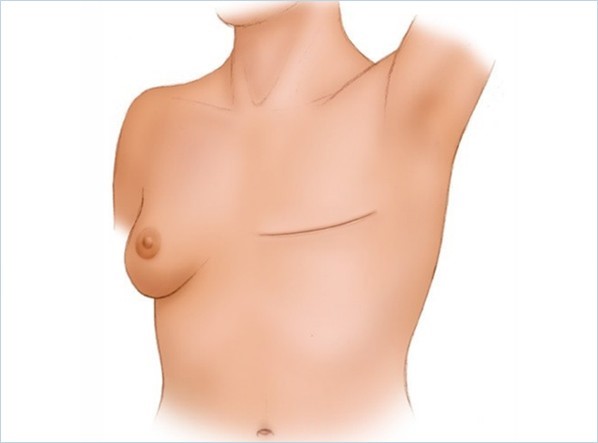
Choice A is wrong because it involves placing the IV catheter on the same side as the mastectomy.
Choice C is wrong because it involves placing the IV catheter on the same side as the mastectomy.
Choice D is wrong because it involves placing the IV catheter on a vein that is not commonly used for IV therapy.
Nursing Test Bank
Naxlex Comprehensive Predictor Exams
Related Questions
Correct Answer is C
Explanation
If a client expresses confusion or lack of understanding about a medical procedure, the nurse should notify the provider so that they can clarify any misunderstandings and ensure that the client is fully informed before giving their consent.
Choice A is wrong because providing brochures about the procedure may not be sufficient to address the client’s confusion or lack of understanding.
Choice B is wrong because completing an incident report is not an appropriate action in this situation.
Choice D is wrong because it is the provider’s responsibility to ensure that the client fully understands the procedure and gives informed consent.
Correct Answer is D
Explanation
This statement indicates that the client understands the importance of gradually adjusting to wearing a hearing aid.
It can take time for the brain to adapt to new sounds and volume levels, so it’s important to increase usage gradually.
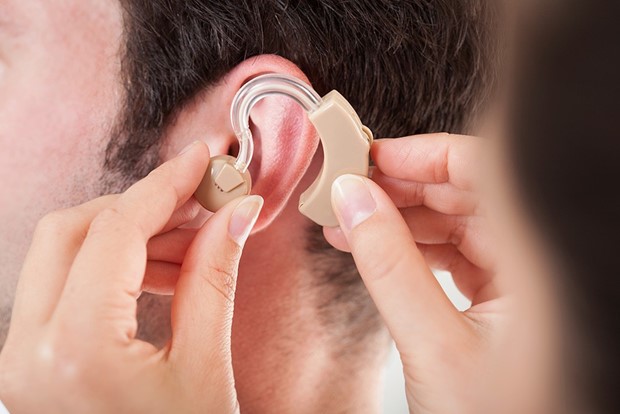
Choice A is wrong because turning the hearing aid up as high as it will go can cause discomfort and may not improve hearing.
Choice B is wrong because hearing aids typically last several years with proper care and maintenance.
Choice C is wrong because it’s important to remove the battery from the hearing aid when not in use to preserve battery life.
Whether you are a student looking to ace your exams or a practicing nurse seeking to enhance your expertise , our nursing education contents will empower you with the confidence and competence to make a difference in the lives of patients and become a respected leader in the healthcare field.
Visit Naxlex, invest in your future and unlock endless possibilities with our unparalleled nursing education contents today