
A nurse is caring for a client who has heart failure and has gained 2 kg (4.4 lB. over the last 24 hours. Which of the following interventions should the nurse take?
Reduce the client's sodium intake.
Restrict the client's protein intake.
Weigh the client once per week.
Provide the client with three large meals per day.
The Correct Answer is A
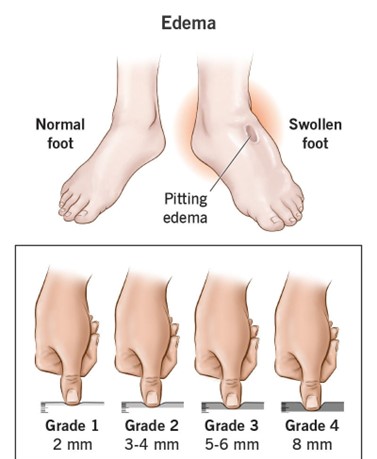
Choice A reason: Reducing the client's sodium intake is an appropriate intervention for the nurse to take because it can help prevent fluid retention and edema, which are complications of heart failure. Sodium intake should be limited to 2 g per day or less for clients who have heart failure.
Choice B reason: Restricting the client's protein intake is not an appropriate intervention for the nurse to take because it can cause malnutrition and muscle wasting, which can worsen heart failure. Protein intake should be adequate to meet the client's nutritional needs and support cardiac function. Protein intake should be about 0.8 to 1.2 g per kg of body weight per day for clients who have heart failure.
Choice C reason: Weighing the client once per week is not an appropriate intervention for the nurse to take because it can delay the detection and treatment of fluid overload, which can worsen heart failure. The client should be weighed daily at the same time and with the same scale and clothing to monitor fluid status and adjust medication dosage.
Choice D reason: Providing the client with three large meals per day is not an appropriate intervention for the nurse to take because it can increase the workload of the heart and cause dyspnea, fatigue, or chest pain, which are symptoms of heart failure. The client should be provided with small, frequent meals that are low in sodium, fat, and cholesterol to reduce cardiac stress and promote digestion.
Nursing Test Bank
Naxlex Comprehensive Predictor Exams
Related Questions
Correct Answer is D
Explanation
Choice A reason: A pump is usually needed to administer intermittent tube feedings, as it can control the flow rate and volume of the formula. A pump can also prevent overfeeding, aspiration, or diarrhea.
Choice B reason: Administering feedings over 10 to 20 minutes is too fast, as it can cause abdominal cramps, nausea, vomiting, or dumping syndrome. Intermittent tube feedings should be administered over 30 to 60 minutes.
Choice C reason: Administering feedings while sleeping at night is not recommended, as it can increase the risk of aspiration, reflux, or infection. Intermittent tube feedings should be administered during waking hours and with the head of the bed elevated at least 30 degrees.
Choice D reason: Advancing the rate of feedings slowly is advisable, as it can help the body adjust to the formula and prevent intolerance or complications. The rate should be increased gradually until the desired goal is reached.
Correct Answer is C
Explanation
Choice A reason: Providing a snack 30 min before treatments can worsen nausea and diarrhea, as food can stimulate gastric motility and secretion. It is better to avoid eating for at least 2 hours before and after treatments.
Choice B reason: Ensuring foods are served hot can increase nausea and diarrhea, as hot foods can have strong smells and irritate the digestive tract. It is better to serve foods at room temperature or cold.
Choice C reason: Administering antiemetics on a schedule can prevent nausea and vomiting, which can lead to dehydration and electrolyte imbalance. Antiemetics can also reduce abdominal cramps and spasms that cause diarrhea.
Choice D reason: Serving low carbohydrate meals can aggravate diarrhea, as carbohydrates are the main source of energy for the body. It is better to serve high carbohydrate meals that are easy to digest, such as rice, potatoes, bread, or crackers.
Whether you are a student looking to ace your exams or a practicing nurse seeking to enhance your expertise , our nursing education contents will empower you with the confidence and competence to make a difference in the lives of patients and become a respected leader in the healthcare field.
Visit Naxlex, invest in your future and unlock endless possibilities with our unparalleled nursing education contents today