
A nurse is teaching a client who has gout about appropriate food choices related to dietary needs. Which of the following choices by the client demonstrates an understanding of the teaching?
“I will eat more tuna.”
“I will eat more red meat.”
“I will eat blueberries every morning.”
“I will eat bananas for a snack.”
The Correct Answer is C
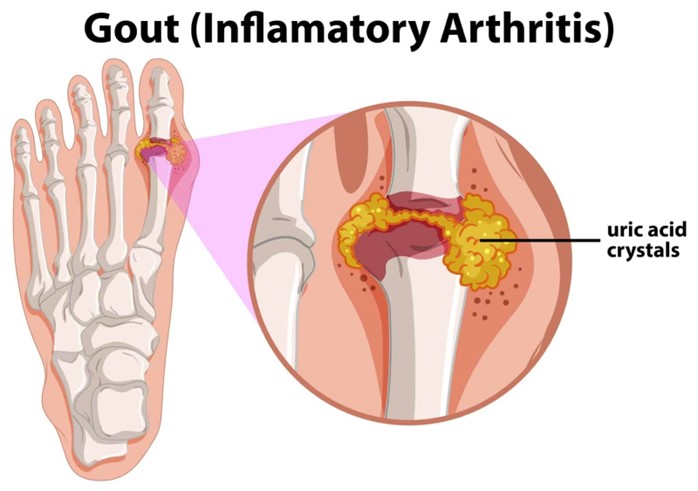
Choice A reason: Eating more tuna is not an appropriate food choice for a client who has gout because it is high in purines, which are substances that break down into uric acid in the body. Uric acid can form crystals in the joints and cause inflammation and pain, which are symptoms of gout. Tuna should be limited or avoided by clients who have gout.
Choice B reason: Eating more red meat is not an appropriate food choice for a client who has gout because it is high in purines, which are substances that break down into uric acid in the body. Uric acid can form crystals in the joints and cause inflammation and pain, which are symptoms of gout. Red meat should be limited or avoided by clients who have gout.
Choice C reason: Eating blueberries every morning is an appropriate food choice for a client who has gout because they are low in purines and high in antioxidants, which are substances that protect the cells from damage caused by free radicals. Antioxidants can help reduce inflammation and pain, which are symptoms of gout. Blueberries also provide vitamin C, fiber, and water for the client.
Choice D reason: Eating bananas for a snack is not an appropriate food choice for a client who has gout because they are high in fructose, which is a type of sugar that can increase uric acid levels in the blood. Fructose can worsen gout attacks by triggering inflammation and pain in the joints. Bananas should be limited or avoided by clients who have gout.
Nursing Test Bank
Naxlex Comprehensive Predictor Exams
Related Questions
Correct Answer is D
Explanation
Choice A reason: BMI of 18.5 is at the lower end of the normal range (18.5-24.9), but it does not indicate severe malnutrition.
Choice B reason: Potassium 3.7 mEq/L is within the normal range (3.5-5.0), and it does not indicate electrolyte imbalance due to malnutrition.
Choice C reason: Phosphorus 3.5 mg/dL is within the normal range (2.5-4.5), and it does not indicate mineral deficiency due to malnutrition.
Choice D reason: Albumin 2.5 g/dL is below the normal range (3.5-5.0), and it indicates protein deficiency due to malnutrition. Albumin is a major protein in blood plasma that helps maintain fluid balance, transport hormones, and fight infections. Low albumin levels can cause edema, weakness, infection, and poor wound healing.
Correct Answer is B
Explanation
Choice A reason: Dry eyes are not caused by vitamin D deficiency, but by other factors such as aging, medication, environmental conditions, or eye diseases. Vitamin D does not have a direct role in eye health or function.
Choice B reason: Fractures are caused by vitamin D deficiency, as vitamin D helps the body absorb calcium, which is essential for bone health and strength. Vitamin D deficiency can lead to osteoporosis, a condition in which the bones become brittle and prone to breaking.
Choice C reason: Infection is not caused by vitamin D deficiency, but by other factors such as exposure to pathogens, weakened immune system, or poor hygiene. Vitamin D may have some role in modulating immune responses, but it is not a primary factor in preventing infection.
Choice D reason: Swelling is not caused by vitamin D deficiency, but by other factors such as injury, inflammation, fluid retention, or allergic reaction. Vitamin D does not have a direct role in regulating fluid balance or reducing inflammation.
Whether you are a student looking to ace your exams or a practicing nurse seeking to enhance your expertise , our nursing education contents will empower you with the confidence and competence to make a difference in the lives of patients and become a respected leader in the healthcare field.
Visit Naxlex, invest in your future and unlock endless possibilities with our unparalleled nursing education contents today