
A nurse is providing discharge teaching for a client who has iron deficiency anemia. Which of the following information should the nurse include?
Drinking iced tea with meals can increase the amount of iron absorbed.
Drinking orange juice with iron supplements can decrease absorption.
Fish and poultry are primary sources of heme iron.
Cooking in a stainless steel skillet increases the amount of iron in the food.
The Correct Answer is C
A) Drinking iced tea with meals can increase the amount of iron absorbed.
- This statement is not correct. Drinking iced tea, especially black tea, can inhibit the absorption of iron. It contains compounds that interfere with the body's ability to absorb non-heme iron, which is found in plant-based foods and supplements. Therefore, this information is not accurate and should not be included in the teaching.
B) Drinking orange juice with iron supplements can decrease absorption.
- This statement is not correct either. In fact, drinking orange juice with iron supplements can enhance iron absorption. This is because orange juice is a good source of vitamin C, which helps the body absorb non-heme iron more effectively. So, this information is inaccurate and should not be included in the teaching.
C) Fish and poultry are primary sources of heme iron.
- This statement is correct. Heme iron is found in animal-based sources like fish and poultry, and it is more readily absorbed by the body compared to non-heme iron from plant-based sources.
D) Cooking in a stainless steel skillet increases the amount of iron in the food.
- This statement is not accurate. Cooking in a stainless steel skillet does not significantly increase the iron content in food. The type of iron in the skillet is not the same as the dietary iron, and it doesn't transfer in significant amounts to the food being cooked. Therefore, this information is not correct and should not be included in the teaching.
So, the nurse should include the information from option C, which is accurate: "Fish and poultry are primary sources of heme iron." Options A, B, and D contain inaccurate information and should be avoided in the teaching to ensure the client receives correct guidance for managing iron deficiency anemia.
Nursing Test Bank
Naxlex Comprehensive Predictor Exams
Related Questions
Correct Answer is C
Explanation
The instruction that the nurse should include for a client with Parkinson's disease prescribed a monoamine oxidase inhibitor (MAOI) is as follows: "Avoid aged cheeses while taking this medication."
MAOIs are a class of medications used to treat Parkinson's disease by increasing the levels of certain neurotransmitters in the brain. However, they can interact with certain foods and beverages, leading to potentially dangerous side effects.
The interaction between MAOIs and aged cheeses is due to the presence of tyramine, a substance that can cause a sudden and dangerous increase in blood pressure known as a hypertensive crisis. Aged cheeses, such as cheddar, blue cheese, and feta, contain high levels of tyramine, and consuming them while taking an MAOI can lead to this hypertensive crisis.
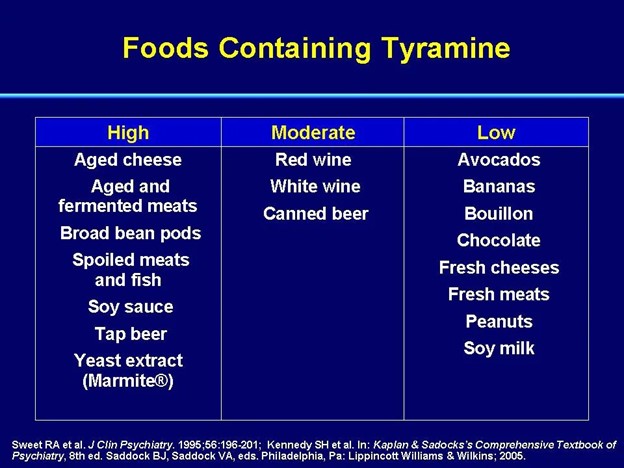
The other options listed in the question are not directly related to the use of MAOIs in Parkinson's disease:
Eating grapefruit is typically contraindicated with certain medications, but it is not specifically relevant to MAOIs or Parkinson's disease.
Maintaining a low-protein diet is not a standard recommendation for individuals taking MAOIs or Parkinson's disease unless specifically advised by the healthcare provider.
Reducing the intake of high-calorie foods is a general recommendation for overall health and weight management but is not specifically related to the use of MAOIs or Parkinson's disease.
Correct Answer is D
Explanation
"I should feed my baby on demand at least eight times each day": This statement is correct. Breastfed newborns should be fed on demand, following their cues of hunger. Newborns typically need to breastfeed at least eight times per day to ensure they receive enough nutrition and to establish and maintain a healthy milk supply for the mother.
"I will dilute juice with 50 percent water to supplement between feedings": This statement is incorrect. Breast milk or formula should be the sole source of nutrition for a newborn. Diluting juice with water is not recommended for newborns, as it does not provide the necessary nutrients and may fill the baby's stomach without providing adequate nutrition.
"I should use pumped breast milk within 72 hours of refrigeration": This statement is incorrect. Pumped breast milk can typically be stored in the refrigerator for up to 4-5 days, not just 72 hours. It is important for the mother to follow proper storage guidelines to ensure the safety and freshness of the breast milk.
"I will begin and end with the same breast when I feed my baby": This statement is incorrect. The breastfeeding technique known as "switch nursing" is often recommended, especially for newborns. Switch nursing involves offering both breasts during a feeding session to ensure the baby receives hindmilk, which is richer in fat and provides essential nutrients for growth.
Whether you are a student looking to ace your exams or a practicing nurse seeking to enhance your expertise , our nursing education contents will empower you with the confidence and competence to make a difference in the lives of patients and become a respected leader in the healthcare field.
Visit Naxlex, invest in your future and unlock endless possibilities with our unparalleled nursing education contents today