
A nurse is evaluating a client's laboratory results. The nurse should recognize that which of the following results places the client at risk for coronary heart disease?
HbA1c 5%
Fasting glucose 140 mg/dL
LDL 64 mg/dL
Total cholesterol 173 mg/dL
The Correct Answer is B
Coronary heart disease (CHD) is a condition characterized by the buildup of plaque in the coronary arteries, leading to reduced blood flow to the heart. Several risk factors contribute to the development of CHD, including high blood glucose levels, high levels of low-density lipoprotein (LDL) cholesterol, and high total cholesterol levels.
HbA1c 5%: HbA1c is a measure of average blood glucose levels over the past 2-3 months. A level of 5% is within the target range for individuals without diabetes and indicates good glycemic control. It does not place the client at risk for CHD.
Fasting glucose 140 mg/dL: Fasting glucose levels above 126 mg/dL are considered diagnostic criteria for diabetes mellitus. A level of 140 mg/dL indicates hyperglycemia and suggests impaired glucose metabolism, which is a risk factor for CHD.
LDL 64 mg/dL: LDL cholesterol is often referred to as "bad" cholesterol, as elevated levels are associated with an increased risk of CHD. A level of 64 mg/dL is within the desirable range and does not place the client at risk for CHD.
Total cholesterol 173 mg/dL: Total cholesterol levels below 200 mg/dL are generally considered desirable. A level of 173 mg/dL is within the desirable range and does not place the client at risk for CHD.
Nursing Test Bank
Naxlex Comprehensive Predictor Exams
Related Questions
Correct Answer is C
Explanation
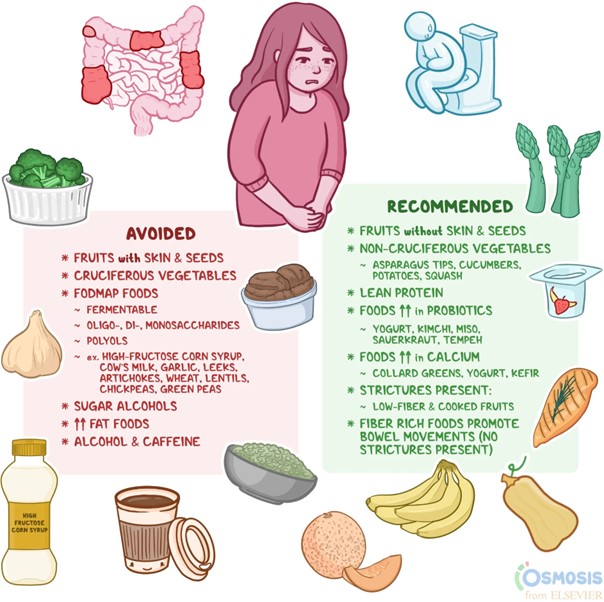
"I should limit the amount of fiber in my diet": This statement demonstrates an understanding of the teaching. In Crohn's disease, certain types of fiber can be difficult to digest and may worsen symptoms such as abdominal pain, diarrhea, and bowel obstruction. Therefore, it is often recommended to limit the intake of high-fiber foods during active disease flares.
"I will need to take mild laxatives to help me have a bowel movement": Taking laxatives is not typically recommended for individuals with Crohn's disease unless specifically prescribed by a healthcare provider. Laxatives can further irritate the intestines and potentially worsen symptoms. Therefore, this statement does not demonstrate an understanding of the teaching.
"I am likely to gain weight due to this disease": Weight loss is a more common occurrence in individuals with Crohn's disease due to factors such as decreased appetite, malabsorption, and increased metabolism. Weight gain is not typically associated with the disease, so this statement does not indicate an understanding of the teaching.
"Avoiding glutamine will help me recover from this disease": Glutamine is an amino acid that plays a role in gut health and repair. It is often considered beneficial for individuals with Crohn's disease as it supports intestinal healing. Therefore, avoiding glutamine would not be recommended for recovery from the disease. This statement does not indicate an understanding of the teaching.
Correct Answer is A
Explanation
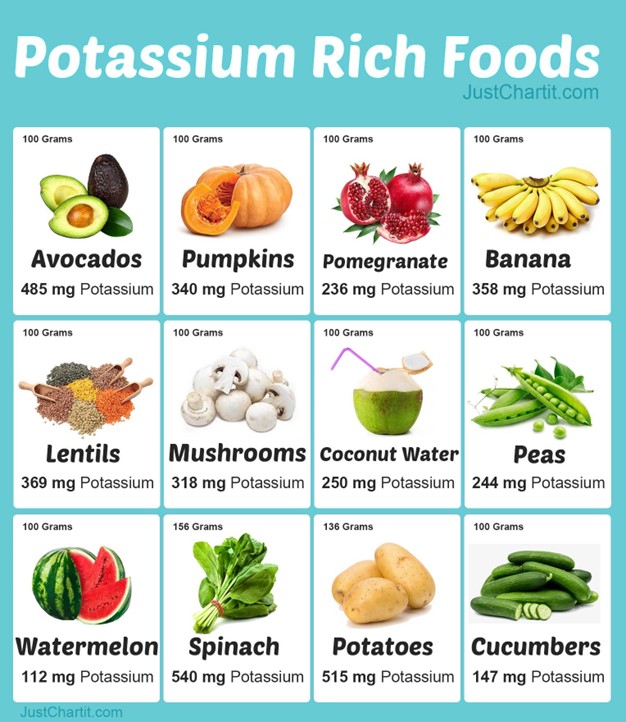
Bananas: Bananas are a suitable choice for a client taking digoxin and furosemide. Digoxin is a medication commonly prescribed for heart failure and certain heart rhythm disorders, and maintaining adequate potassium levels is important while taking this medication. Bananas are a good source of potassium and can help prevent or correct low potassium levels (hypokalemia), which can be a potential side effect of both digoxin and furosemide.
Green beans: Green beans can be included in the client's diet when taking digoxin and furosemide. While they are a healthy vegetable choice, they do not have a direct impact on the potassium levels affected by these medications.
Blueberries: Blueberries are a nutritious fruit choice, but they do not have a specific relevance to the client's medication regimen of digoxin and furosemide. They can be part of a balanced diet but are not specifically recommended or contraindicated in this context.
Cucumbers: Cucumbers are a refreshing vegetable choice, but they do not have a direct impact on the potassium levels affected by digoxin and furosemide. While maintaining hydration is important, other foods would be more relevant for addressing potassium needs.
Whether you are a student looking to ace your exams or a practicing nurse seeking to enhance your expertise , our nursing education contents will empower you with the confidence and competence to make a difference in the lives of patients and become a respected leader in the healthcare field.
Visit Naxlex, invest in your future and unlock endless possibilities with our unparalleled nursing education contents today