
A nurse is providing instruction to a client who has diabetes mellitus about foot care. Which of the following statements by the client indicates an understanding of the teaching?
I will use a pumice stone to soften calluses on my feet.
I will go barefoot just in the house.
I can apply lotion to my feet if I avoid the area between my toes.
I can use a heating pad when my feet are cold.
I can use a heating pad when my feet are cold.
The Correct Answer is C
The correct answer is that the client can apply lotion to their feet if they avoid the area between their toes. Moisturizing the feet can help prevent dry skin and cracking, which are common problems for people with diabetes. However, it is important to avoid applying lotion between the toes, as this can create a moist environment that promotes the growth of fungus and bacteria¹.
Options a, b and d are not correct statements by the client that indicate an understanding of proper foot care for diabetes. Using a pumice stone to soften calluses on the feet, going barefoot just in the house and using a heating pad when feet are cold are not recommended practices for people with diabetes.
Nursing Test Bank
Naxlex Comprehensive Predictor Exams
Related Questions
Correct Answer is C
Explanation
The nurse should arrange for a video conference with an interpreter who speaks the client's language to provide discharge instructions. This ensures that the client receives accurate and complete information in a language they understand. The other
a. Assistive personnel may not be trained or qualified to provide medical interpretation.
b. Family members may not have the necessary medical knowledge to accurately translate medical information.
d. Simply indicating printed instructions in the client's language may not be sufficient to ensure the client understands the information.
Correct Answer is A
Explanation
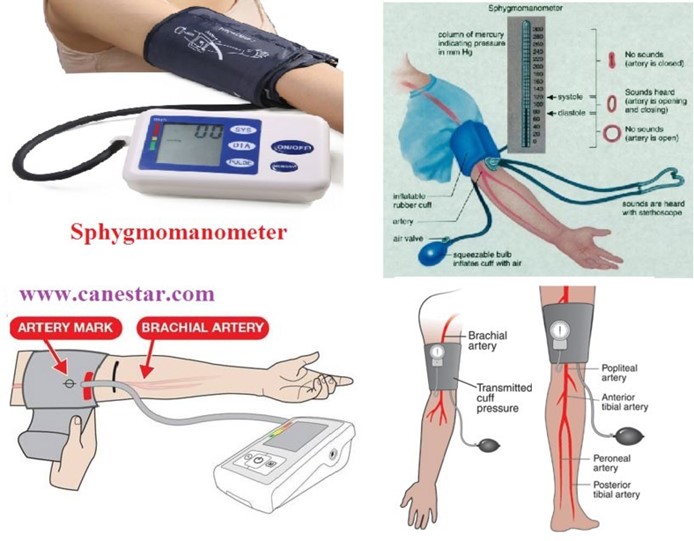
When checking a client's blood pressure, the nurse should use a cuff with a width that is about 60% of the client's arm circumference. This will help to ensure that the cuff fits properly and provides an accurate reading.
Options b, c, and d are not correct. The cuff should be applied over the client's brachial artery, which is located in the antecubital fossa. The client should sit with their arm resting at the level of their heart, not above it. The pressure on the client's arm should be released at a rate of 2 to 3 mm per second, not 5 to 6 mm per second.
Whether you are a student looking to ace your exams or a practicing nurse seeking to enhance your expertise , our nursing education contents will empower you with the confidence and competence to make a difference in the lives of patients and become a respected leader in the healthcare field.
Visit Naxlex, invest in your future and unlock endless possibilities with our unparalleled nursing education contents today