
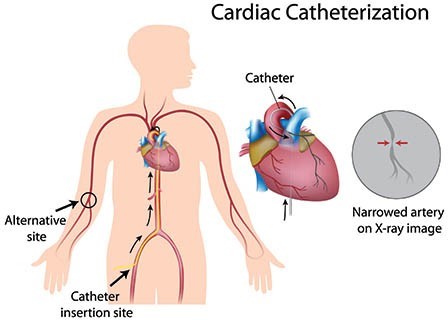
A nurse is providing preoperative teaching for an adolescent who is scheduled for a cardiac catheterization. Which of the following instructions should the nurse include?
You can resume a regular diet 3 days after your procedure.
You can take a shower 1 day after your procedure.
You can begin exercising 2 days after your procedure.
You can return to school 1 week after your procedure.
The Correct Answer is B
Answer: B. You can take a shower 1 day after your procedure.
Rationale:
A. You can resume a regular diet 3 days after your procedure:
There is typically no need to delay resuming a regular diet for three days after a cardiac catheterization. Most clients can resume their usual diet shortly after the procedure once they are fully awake and any nausea has resolved.
B. You can take a shower 1 day after your procedure:
It is generally safe to shower the day after a cardiac catheterization as long as the insertion site remains protected. Clients should avoid soaking in a bath or swimming until the site is fully healed to prevent infection.
C. You can begin exercising 2 days after your procedure:
Strenuous activities, including exercise, should generally be avoided for a few days to a week following a cardiac catheterization. This allows time for the insertion site to heal and reduces the risk of complications such as bleeding.
D. You can return to school 1 week after your procedure:
Most clients can return to school or normal activities within a few days, provided they feel well and avoid excessive physical exertion. A full week off is typically not necessary unless specified by the healthcare provider based on the individual’s recovery.
Nursing Test Bank
Naxlex Comprehensive Predictor Exams
Related Questions
Correct Answer is B
Explanation
The correct answer is b. "I will apply petroleum jelly to the penis with each diaper change."
Choice A rationale:
- It is incorrect to focus on removing all yellow exudate.A small amount of yellow exudate is normal during the healing process after circumcision.Attempting to aggressively clean it off can irritate the delicate healing tissues and cause discomfort for the baby.
- Instead,parents should gently cleanse the area with warm water during diaper changes,allowing any mild exudate to naturally drain.
Choice B rationale:
- Applying petroleum jelly with each diaper change is an essential step in promoting healing and preventing discomfort after circumcision.Here's why:
- Protects against moisture:Petroleum jelly forms a barrier that protects the delicate healing tissues from moisture from urine and feces.This helps to prevent irritation and keeps the area clean.
- Reduces friction:The lubricating properties of petroleum jelly reduce friction between the penis and the diaper,which can minimize discomfort and pain for the baby.
- Promotes healing:Petroleum jelly creates a moist environment that promotes healing and reduces scab formation.This helps the circumcision site to heal faster and more comfortably.
Choice C rationale:
- While ensuring a proper diaper fit is important for overall hygiene,it's not the most crucial aspect of post-circumcision care.A snug diaper can put unnecessary pressure on the healing penis,potentially causing irritation and discomfort.It's generally recommended to choose a diaper that fits comfortably without being too tight.
Choice D rationale:
- Using soap to wash the penis is not recommended during the healing process.Soap can be harsh and drying to the delicate tissues,potentially causing irritation and delaying healing.
- Warm water is sufficient for cleansing the area during diaper changes.

Correct Answer is A
Explanation
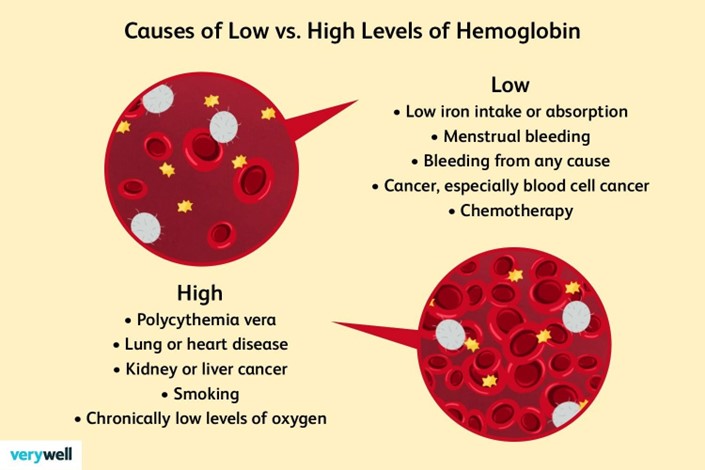
A hemoglobin (Hgb) level of 8.8 mg/dL indicates anemia, which is a decrease in the oxygen-carrying capacity of the blood. Fatigue and tiredness are common symptoms of anemia. When the body does not have enough hemoglobin to transport oxygen effectively, it can lead to feelings of fatigue and a lack of energy.
The other options are not directly associated with a low hemoglobin level:
b) "I have noticed that my fingernails are becoming thicker." Thicker fingernails are not typically associated with a low hemoglobin level. Changes in fingernails can be atributed to various factors, but they are not directly related to anemia.
c) "I have to go to the bathroom all the time." Frequent urination is not typically associated with a low hemoglobin level. It can be related to other factors such as urinary tract infections, diabetes, or diuretic use, among others.
d) "I notice that my hands are always shaky." Hand tremors are not directly associated with a low hemoglobin level. Tremors can have various causes, such as neurological conditions, medication side effects, or excessive caffeine intake, but they are not directly linked to anemia.
Whether you are a student looking to ace your exams or a practicing nurse seeking to enhance your expertise , our nursing education contents will empower you with the confidence and competence to make a difference in the lives of patients and become a respected leader in the healthcare field.
Visit Naxlex, invest in your future and unlock endless possibilities with our unparalleled nursing education contents today