
A nurse is providing teaching about iron deficiency anemia to the parents of an infant. Which of the following should the nurse recommend as a method of preventing iron deficiency anemia?
Limit intake of high-protein foods.
Mom should continue prenatal vitamins if breastfeeding or formula with an iron supplement.
Administer fat-soluble vitamins daily.
Include fluoridated water in the toddler's diet.
The Correct Answer is B
Choice A reason: This choice is incorrect because limiting intake of high-protein foods is not a method of preventing iron deficiency anemia. High-protein foods are foods that contain a large amount of protein, such as meat, poultry, fish, eggs, dairy products, beans, nuts, or seeds. Protein is a nutrient that helps to build and repair body tissues and support immune function. It may also provide iron, which is a mineral that helps to produce hemoglobin, the protein that carries oxygen in red blood cells. Therefore, limiting intake of high-protein foods may reduce iron intake and increase the risk of iron deficiency anemia.
Choice B reason: This choice is correct because mom should continue prenatal vitamins if breastfeeding or formula with an iron supplement is a method of preventing iron deficiency anemia. Prenatal vitamins are supplements that contain various vitamins and minerals that are essential for pregnant or lactating women and their babies. They may include iron, which helps to prevent maternal and infant anemia. Formula with an iron supplement is a type of infant formula that contains added iron to meet the nutritional needs of infants who are not breastfed or partially breastfed. Therefore, mom should continue prenatal vitamins if breastfeeding or formula with an iron supplement can help to provide adequate iron intake and prevent iron deficiency anemia.
Choice C reason: This choice is incorrect because administering fat-soluble vitamins daily is not a method of preventing iron deficiency anemia. Fat-soluble vitamins are vitamins that dissolve in fat and can be stored in the body, such as vitamins A, D, E, and K. They have various functions such as maintaining vision, bone health, skin health, and blood clotting. They do not have a direct role in preventing iron deficiency anemia.
Choice D reason: This choice is incorrect because including fluoridated water in the toddler's diet is not a method of preventing iron deficiency anemia. Fluoridated water is water that contains fluoride, which is a substance that helps to prevent tooth decay and cavities. It does not have a direct role in preventing iron deficiency anemia.
Nursing Test Bank
Naxlex Comprehensive Predictor Exams
Related Questions
Correct Answer is A
Explanation
Choice A reason: This choice is correct because examining the child's tympanic membrane at the end of the physical examination is the best strategy to avoid upsetting or frightening the child. The tympanic membrane is the thin membrane that separates the outer ear from the middle ear, and it can be examined by using an otoscope, which is a device that has a light and a magnifying lens. Examining the tympanic membrane may be uncomfortable or painful for the child, especially if they have an ear infection or inflammation. Therefore, performing this procedure at the end of the examination can help to minimize the child's distress and resistance.
Choice B reason: This choice is incorrect because examining the child's tympanic membrane before auscultating the chest and abdomen is not a good strategy to avoid upsetting or frightening the child. Auscultating the chest and abdomen is a procedure that involves listening to the sounds of the heart, lungs, and bowel by using a stethoscope, which is a device that has a chest piece and earpieces. Auscultating the chest and abdomen may be soothing or relaxing for the child, as it does not cause any discomfort or pain. Therefore, performing this procedure before examining the tympanic membrane can help to calm and distract the child.
Choice C reason: This choice is incorrect because examining the child's tympanic membrane at the beginning of the physical examination is not a good strategy to avoid upsetting or frightening the child. Examining the tympanic membrane at the beginning of the examination may cause anxiety or fear in the child, which can affect their cooperation and trust for the rest of the examination. Therefore, performing this procedure at the beginning of the examination can increase the child's distress and resistance.
Choice D reason: This choice is incorrect because examining the child's tympanic membrane before examining the
head and neck is not a good strategy to avoid upsetting or frightening the child. Examining the head and neck is a procedure that involves inspecting and palpating the scalp, hair, face, eyes, ears, nose, mouth, throat, lymph nodes, and thyroid gland. Examining the head and neck may be easy or pleasant for the child, as it does not cause any discomfort or pain. Therefore, performing this procedure before examining the tympanic membrane can help to establish rapport and confidence with the child.
Correct Answer is B
Explanation
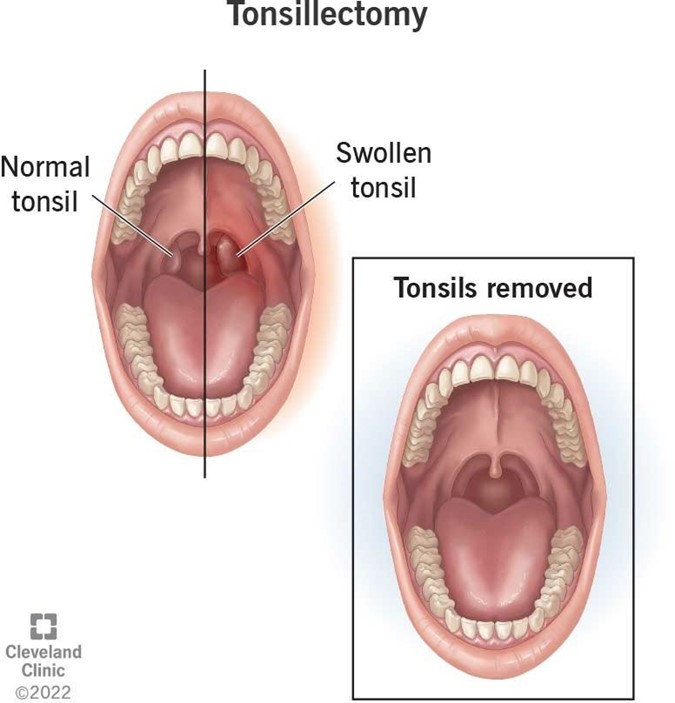
Choice A: Cranberry juice is not a suitable fluid item to offer the child at this time, as it is acidic and can irritate the throat and cause pain or bleeding. Cranberry juice can also stain the surgical site and make it difficult to assess for signs of hemorrhage.
Choice B: Crushed ice is a suitable fluid item to offer the child at this time, as it is cold and can soothe the throat and
reduce swelling or inflammation. Crushed ice can also hydrate the child and prevent dehydration.
Choice C: Orange juice is not a suitable fluid item to offer the child at this time, as it is acidic and can irritate the throat and cause pain or bleeding. Orange juice can also interfere with the clotting process and increase the risk of hemorrhage.
Choice D: A strawberry milkshake is not a suitable fluid item to offer the child at this time, as it contains dairy products and can increase mucus production and cause coughing or gagging. A strawberry milkshake can also stain the surgical site and make it difficult to assess for signs of hemorrhage.
Whether you are a student looking to ace your exams or a practicing nurse seeking to enhance your expertise , our nursing education contents will empower you with the confidence and competence to make a difference in the lives of patients and become a respected leader in the healthcare field.
Visit Naxlex, invest in your future and unlock endless possibilities with our unparalleled nursing education contents today