
A nurse is providing teaching about the Dietary Approaches to Stop Hypertension (DASH) diet to a client who has hypertension. Which of the following instructions should the nurse include?
"Consume ten percent of total calories from saturated fat."
"Increase intake of refined carbohydrates."
"Limit sodium intake to 3,200 milligrams per day."
"Consume foods that are high in calcium."
The Correct Answer is D
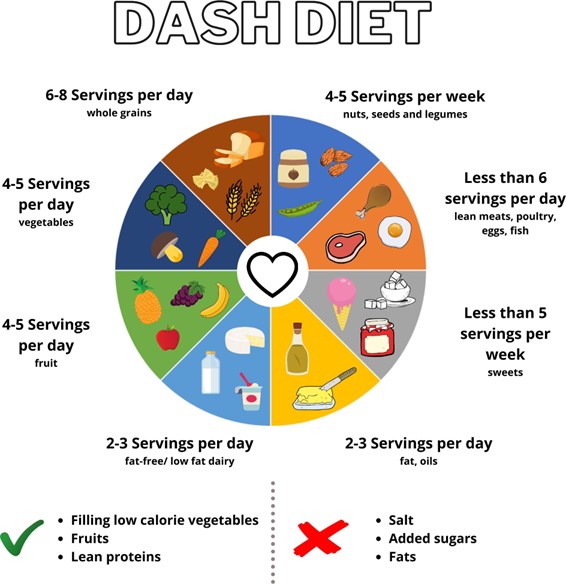
The DASH diet is a dietary approach specifically designed to lower blood pressure. It emphasizes consuming foods that are rich in nutrients like potassium, calcium, and magnesium, while reducing the intake of saturated fat, cholesterol, and sodium. Calcium-rich foods are an important component of the DASH diet as they have been shown to have a beneficial effect on blood pressure. Good sources of dietary calcium include low-fat dairy products, fortified
plant-based milk, leafy green vegetables, and calcium-fortified foods.
"Consume ten percent of total calories from saturated fat": The DASH diet recommends reducing the intake of saturated fat to improve heart health. The goal is to consume no more than 6% of total calories from saturated fat. Saturated fats are typically found in animal products, such as fatty cuts of meat, full-fat dairy products, and tropical oils like coconut and palm oil.
"Increase intake of refined carbohydrates": The DASH diet encourages the consumption of whole grains rather than refined carbohydrates. Whole grains are rich in fiber and other nutrients, which can help lower blood pressure. Refined carbohydrates, on the other hand, can lead to spikes in blood sugar levels and are generally less nutritious.
"Limit sodium intake to 3,200 milligrams per day": The DASH diet recommends reducing sodium intake to 2,300 milligrams per day or less. For individuals with hypertension or at risk for hypertension, including many clients with hypertension, further lowering sodium intake to 1,500 milligrams per day may be advised. Reducing sodium intake is important for blood pressure management.
Nursing Test Bank
Naxlex Comprehensive Predictor Exams
Related Questions
Correct Answer is D
Explanation
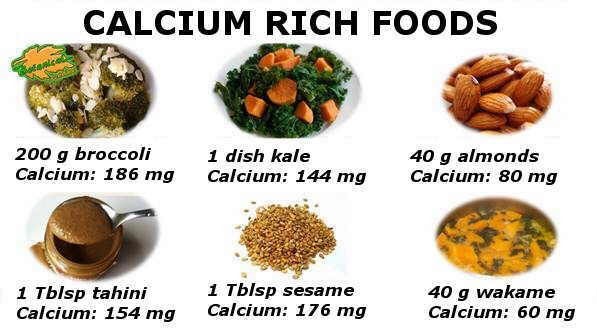
The dietary choice with the highest calcium content among the options provided would be 1 cup of broccoli. Broccoli is a good source of calcium and can contribute to meeting the body's calcium needs.
While tomatoes, bananas, and grapes are healthy fruits, they are not significant sources of calcium. They are lower in calcium content compared to broccoli. However, these fruits do offer other nutritional benefits such as vitamins and antioxidants.
To promote bone health and prevent osteoporosis, it is important to include calcium-rich foods in the diet, such as dairy products (milk, yogurt, cheese), fortified plant-based milk, leafy green vegetables (like broccoli), tofu, and certain fish (like salmon and sardines). Additionally, adequate vitamin D intake and regular weight-bearing exercise are also important for maintaining strong bones.
Correct Answer is C
Explanation
Dysphagia refers to difficulty or discomfort in swallowing. It can occur as a result of weakened or impaired muscles involved in swallowing, which is common after a stroke. When dysphagia is present, it can affect the function of the vocal cords and lead to changes in voice quality, including hoarseness. The hoarseness may be due to the entry of food or liquid into the airway during swallowing, causing irritation to the vocal cords.
Weight gain is not a typical manifestation of dysphagia. If dysphagia is severe and leads to food avoidance or restricted intake, weight loss may occur instead.
Continuous smiling is not a specific manifestation of dysphagia. It may be seen in some stroke survivors as a result of changes in facial muscle control, such as facial weakness or spasticity. However, it is not directly related to dysphagia.
Expressive aphasia refers to difficulty expressing thoughts or using language effectively. It is a common language impairment that can occur after a stroke, specifically affecting the ability to produce or articulate words and sentences. While it is a communication difficulty, it is not directly related to dysphagia, which specifically refers to difficulty swallowing.
Whether you are a student looking to ace your exams or a practicing nurse seeking to enhance your expertise , our nursing education contents will empower you with the confidence and competence to make a difference in the lives of patients and become a respected leader in the healthcare field.
Visit Naxlex, invest in your future and unlock endless possibilities with our unparalleled nursing education contents today