
A nurse is providing teaching about breastfeeding to a client who is postpartum. Which of the following statements by the client indicates an understanding of the teaching?
"I need to supplement feedings with water once my baby is 4 months old."
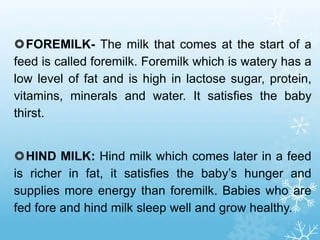
"My baby will receive the most milk within the first 10 minutes of the feeding."
"The purpose of alternating breasts during feedings is to promote comfort."
"During the first few weeks, I should nurse my baby every 4 hours."
The Correct Answer is B
"My baby will receive the most milk within the first 10 minutes of the feeding": This statement is correct. During the first few minutes of breastfeeding, the baby receives the foremilk, which is more watery and quenches their thirst. The hindmilk, which is higher in fat and provides more calories, is obtained as the feeding progresses.
"I need to supplement feedings with water once my baby is 4 months old": Breast milk provides all the necessary fluids for the baby, and additional water supplementation is generally not needed for exclusively breastfed infants.
"The purpose of alternating breasts during feedings is to promote comfort": The purpose of alternating breasts during feedings is to ensure that the baby receives both foremilk and hindmilk from each breast and to stimulate milk production in both breasts. It is not primarily for promoting comfort.
"During the first few weeks, I should nurse my baby every 4 hours": Breastfed newborns typically feed more frequently than every 4 hours, especially during the early weeks.
On-demand feeding is recommended, which means feeding the baby whenever they show hunger cues, which can be more frequent than every 4 hours.
Nursing Test Bank
Naxlex Comprehensive Predictor Exams
Related Questions
Correct Answer is D
Explanation
BMI (body mass index) of 18.5: BMI is a measure of body fat based on an individual's weight and height. A BMI of 18.5 is within the normal range and indicates that the client's nutritional status has improved. An increase in BMI suggests successful repletion of body stores and improved overall health.
Hgb (hemoglobin) of 10 g/dL: Hemoglobin level is an indicator of the oxygen-carrying capacity of the blood. While a hemoglobin level of 10 g/dL is within the normal range for an adult, it does not specifically indicate a therapeutic response to TPN. However, it can be associated with improved nutritional status.
Temperature of 38.4° C (101.1 F): An elevated temperature indicates the presence of a fever, which is not a direct therapeutic response to TPN but may be associated with an underlying infection or inflammation.
BUN (blood urea nitrogen) of 25 mg/dL: BUN is a measure of kidney function and protein metabolism. An elevated BUN may indicate dehydration, impaired kidney function, or increased protein breakdown. It is not a specific therapeutic response to TPN.
While other factors, such as hemoglobin level, temperature, and BUN, can provide additional information about the client's overall health, the most specific indicator of a therapeutic response to TPN in a malnourished client is an improvement in BMI.
Correct Answer is A
Explanation
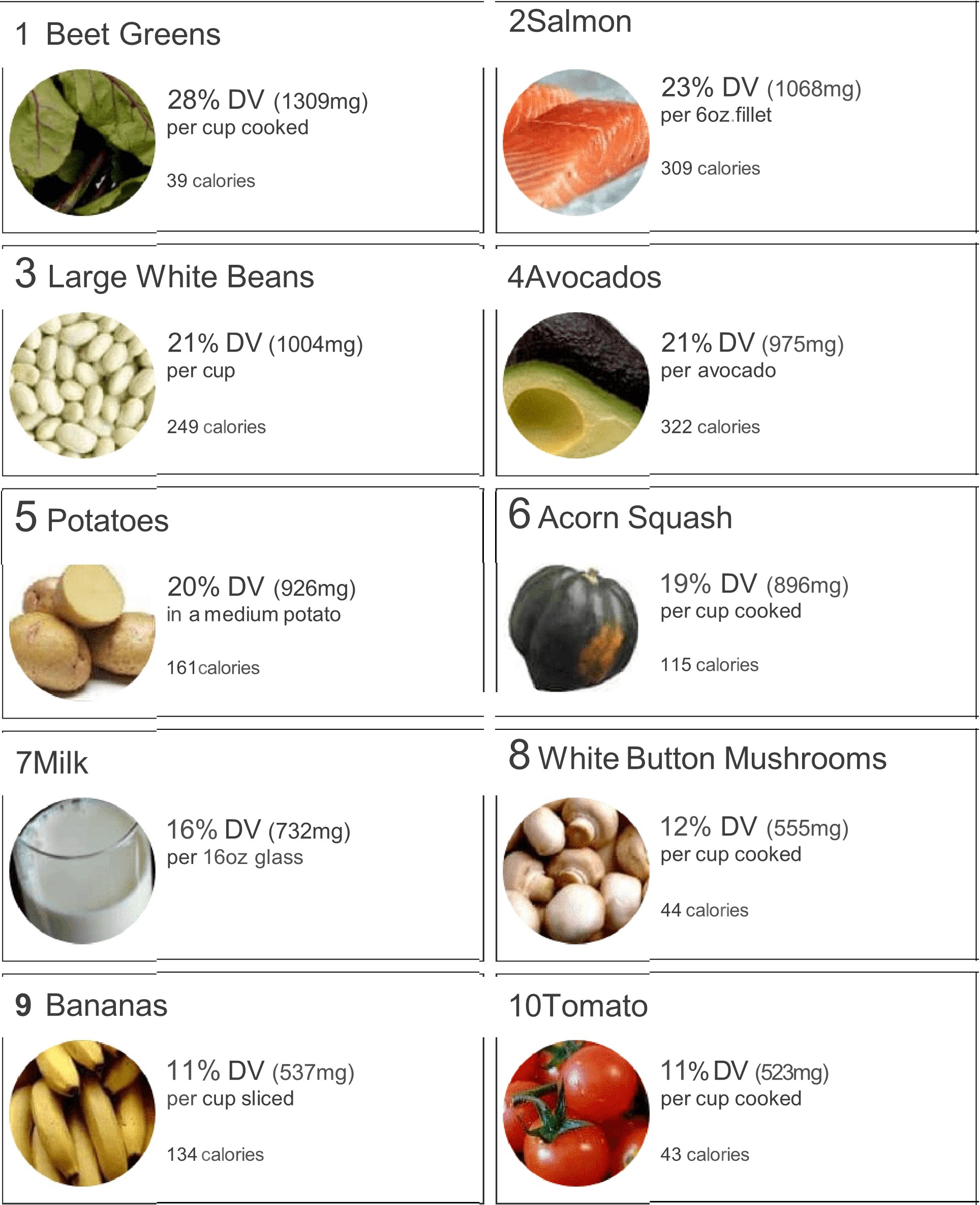
According to some sources, the food that contains the greatest amount of potassium among the four options is one small baked potato, with about 925 mg of potassium per serving1.
The other foods have much lower amounts of potassium: 1 oz of cheddar cheese has about 28 mg, 1 cup of brown rice has about 84 mg, and one medium raw tomato has about 290 mg.
Whether you are a student looking to ace your exams or a practicing nurse seeking to enhance your expertise , our nursing education contents will empower you with the confidence and competence to make a difference in the lives of patients and become a respected leader in the healthcare field.
Visit Naxlex, invest in your future and unlock endless possibilities with our unparalleled nursing education contents today