
A nurse is educating the parent of a school-age child about the importance of maintaining water intake to prevent dehydration. Which of the following food choices should the nurse recommend as containing the greatest percentage of water?
Cheddar cheese
Whole-wheat bread
Almonds
Broccoli
The Correct Answer is D
When educating the parent about the importance of maintaining water intake to prevent dehydration, recommending foods with high water content can be helpful. Among the options given, broccoli has the highest percentage of water content.
Here's the approximate percentage of water content in each food:
● Cheddar cheese: Cheddar cheese has a low water content, approximately 36%.
● Whole-wheat bread: Whole-wheat bread contains a moderate amount of water, usually around 35-40%.
● Almonds: Almonds have a relatively low water content, approximately 4-6%.
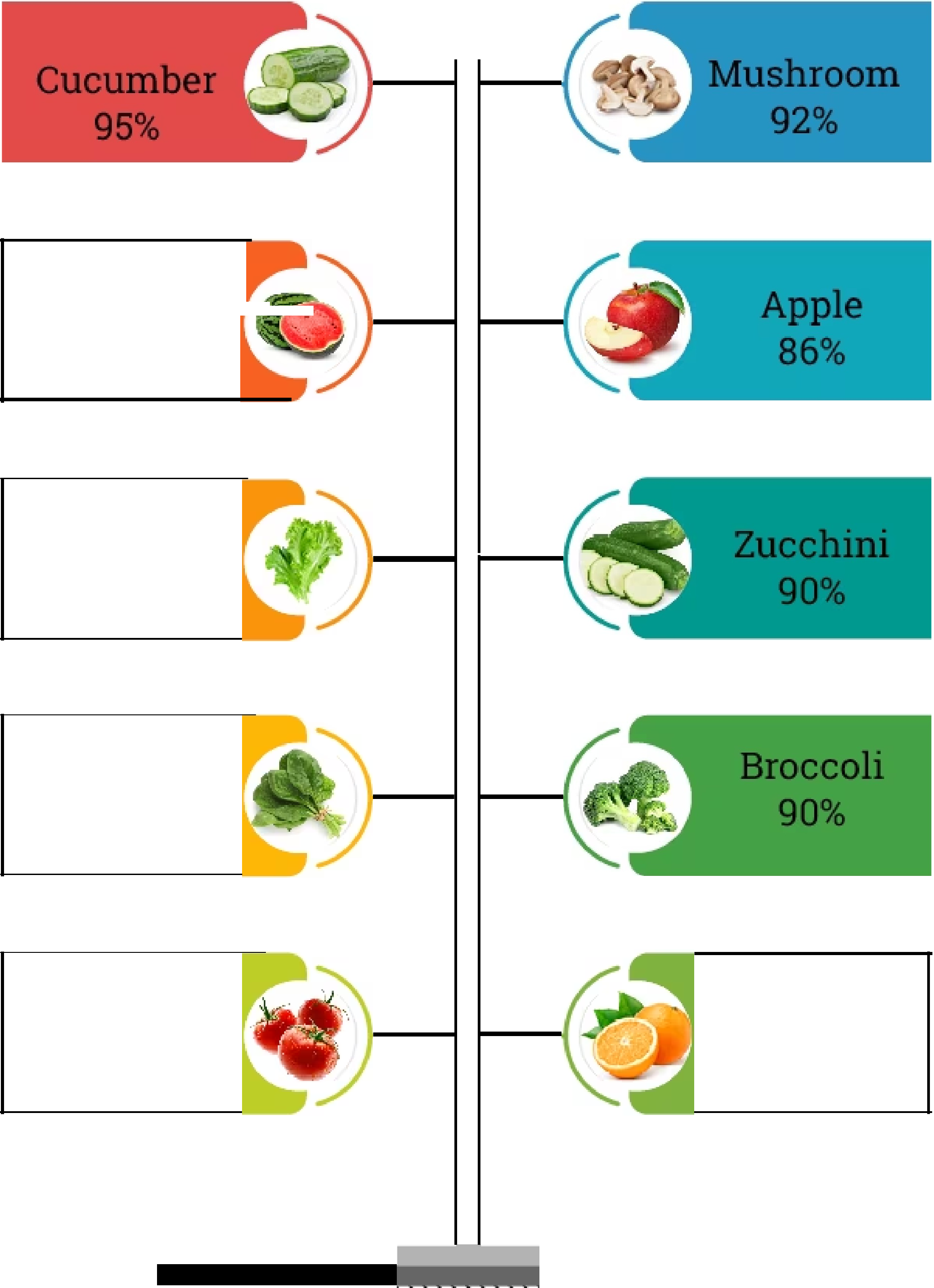
● Broccoli: Broccoli is a vegetable with a high water content, usually around 90-91%.
WATER-RICH FOODS
Nursing Test Bank
Naxlex Comprehensive Predictor Exams
Related Questions
Correct Answer is B
Explanation
The nurse should identify that the client who follows a vegan diet is at risk for deficiencies in Vitamin D, Vitamin B12, and potentially Calcium.
1. Vitamin D: Vitamin D is primarily obtained from sunlight exposure and is also found in animal-based foods such as fatty fish, liver, and egg yolks. Since a vegan diet excludes animal products, it can be challenging to obtain sufficient Vitamin D. Vegans should consider fortified foods (e.g., plant-based milk, breakfast cereals) and may require Vitamin D supplements.
2. Vitamin B12: Vitamin B12 is naturally found only in animal products, such as meat, fish, dairy, and eggs. Vegans are at a high risk of Vitamin B12 deficiency because
plant-based foods do not provide adequate amounts. Vegans should consider taking Vitamin B12 supplements or consuming foods fortified with Vitamin B12, such as certain plant-based milk, meat substitutes, and breakfast cereals.
3. Calcium: Calcium is essential for bone health. While it is possible to obtain calcium from plant-based sources such as fortified plant milk, tofu, leafy green vegetables, and fortified juices, vegan diets may be lower in calcium compared to diets that include dairy products. Vegans should pay attention to their calcium intake and consider supplements if needed.
Regarding the options listed in the question, Vitamin C, Magnesium, and Folic Acid deficiencies are not directly associated with a vegan diet. These nutrients can be adequately obtained from a well-planned vegan diet that includes a variety of fruits, vegetables, whole grains, legumes, nuts, and seeds.
Correct Answer is B
Explanation
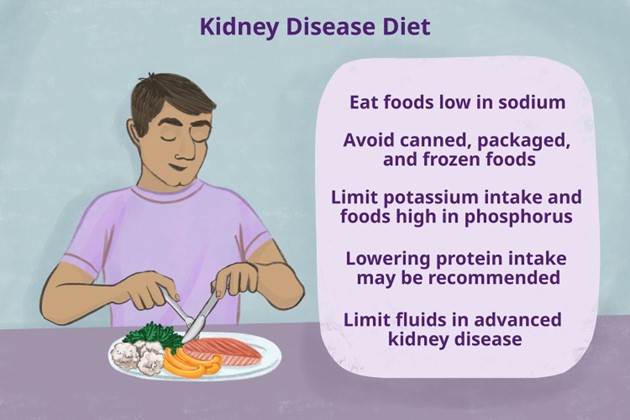
Limiting protein intake is an important dietary modification for clients with chronic kidney disease. High protein intake can increase the workload on the kidneys and lead to further decline in kidney function. Restricting protein intake helps reduce the accumulation of waste products in the blood, such as urea and creatinine, which are normally eliminated by the kidneys. The specific amount of protein restriction will depend on the stage of CKD and the client's individual needs. It is important for the client to work with a registered dietitian who specializes in kidney disease to determine the appropriate protein intake.
Limit calcium intake: Calcium intake does not need to be limited unless there are specific complications related to calcium metabolism, such as hypercalcemia or certain types of kidney stones. Calcium is important for bone health, and adequate intake should be maintained unless otherwise directed by the healthcare provider.
Increase potassium intake: In most cases of chronic kidney disease, potassium intake needs to be limited. Damaged kidneys may have difficulty regulating potassium levels, and high levels of potassium in the blood can be dangerous. The client should be instructed to limit potassium intake and avoid high-potassium foods, such as bananas, oranges, tomatoes, and potatoes, unless specifically advised otherwise by their healthcare provider.
Increase phosphorus intake: Phosphorus intake needs to be restricted in chronic kidney disease, especially in later stages. Elevated levels of phosphorus in the blood can lead to bone and cardiovascular complications. The client should be educated on foods that are high in phosphorus, such as dairy products, nuts, and cola drinks, and instructed to limit their intake
Whether you are a student looking to ace your exams or a practicing nurse seeking to enhance your expertise , our nursing education contents will empower you with the confidence and competence to make a difference in the lives of patients and become a respected leader in the healthcare field.
Visit Naxlex, invest in your future and unlock endless possibilities with our unparalleled nursing education contents today