
A nurse is providing teaching to the parent of a newborn who has gastroesophageal reflux. Which of the following instructions should the nurse include?
"Provide a small feeding just before bedtime."
"Place the newborn in a side-lying position if vomiting."
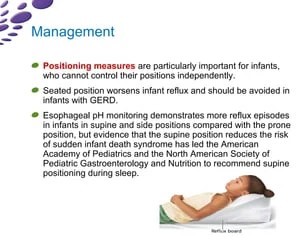
"Position the newborn at a 20-degree angle after feeding."
"Dilute formula with 1 tablespoon of water."
The Correct Answer is C
"Position the newborn at a 20-degree angle after feeding": This is the correct instruction. After feeding, it is beneficial to position the newborn at a slight angle, usually around 20 degrees, to help reduce gastroesophageal reflux. This position helps gravity keep the stomach contents down and prevents them from regurgitating back into the esophagus.
"Provide a small feeding just before bedtime": This instruction is not recommended for a newborn with gastroesophageal reflux. It is advisable to avoid feeding the baby just before bedtime as lying down can worsen the reflux symptoms. Instead, it is generally recommended to keep the baby upright for some time after feeding to allow for proper digestion and minimize reflux.
"Place the newborn in a side-lying position if vomiting": Placing the newborn in a side-lying position after vomiting is not recommended. This position does not provide adequate support to prevent choking or aspiration in case of vomiting. Instead, it is recommended to keep the newborn in an upright or slightly elevated position after feeding to minimize reflux.
"Dilute formula with 1 tablespoon of water": Diluting formula with water is not a recommended practice unless specifically advised by a healthcare provider. It is important to follow the instructions on the formula packaging or the healthcare provider's guidance regarding formula preparation to ensure appropriate nutrition and hydration for the newborn.
Nursing Test Bank
Naxlex Comprehensive Predictor Exams
Related Questions
Correct Answer is A
Explanation
In teaching about dietary guidelines to promote cardiovascular health, the nurse should include the recommendation to increase the intake of whole grains. Whole grains, such as whole wheat, brown rice, oats, and quinoa, are rich in fiber, vitamins, minerals, and phytochemicals that are beneficial for cardiovascular health. They can help lower cholesterol levels, improve blood sugar control, and reduce the risk of heart disease.
The other choices are incorrect:
Increasing the intake of refined carbohydrates is not a recommended recommendation for promoting cardiovascular health. Refined carbohydrates, such as white bread, white rice, and sugary snacks, have been associated with an increased risk of heart disease. They are often low in fiber and can cause spikes in blood sugar levels, leading to poor cardiovascular health outcomes.
Decreasing the intake of potassium is also not a recommended recommendation. Potassium is an essential mineral that plays a vital role in maintaining heart health and blood pressure regulation. Adequate intake of potassium-rich foods, such as bananas, avocados, spinach, and sweet potatoes, can help lower blood pressure and reduce the risk of cardiovascular diseases.
Decreasing intake of omega-3 fatty acids is incorrect as well. Omega-3 fatty acids, found in fatty fish (such as salmon, mackerel, and sardines), flaxseeds, chia seeds, and walnuts, have been shown to have numerous cardiovascular benefits. They can help reduce inflammation, lower triglyceride levels, improve heart rhythm, and decrease the risk of heart disease. Therefore, it is important to include omega-3 fatty acids in the diet for optimal cardiovascular health.
Correct Answer is A
Explanation
Recommend that the client eliminate the intake of carbonated beverages: Carbonated beverages, such as soda or sparkling water, can exacerbate diarrhea symptoms by increasing gas production and potentially causing abdominal discomfort. Eliminating carbonated beverages can help alleviate symptoms and improve the client's condition.
Instruct the client to increase consumption of beans: While beans are a good source of dietary fiber and can promote regular bowel movements in some individuals, they can also worsen diarrhea in others. Since the client is experiencing chronic diarrhea, increasing consumption of beans may not be advisable as it could contribute to loose stools and increased frequency.
Provide sugar-free candy for the client between meals: Sugar-free candies often contain artificial sweeteners like sorbitol or mannitol, which can have a laxative effect and worsen diarrhea. Offering sugar-free candy may not be helpful and can potentially exacerbate the client's symptoms.
Encourage the client to drink 4 oz of milk after each loose stool: Drinking milk after each loose stool is not recommended for clients experiencing chronic diarrhea. Milk contains lactose, and some individuals may have difficulty digesting it, leading to increased gas production and loose stools. Assessing the client's tolerance to milk and considering lactose-free alternatives, if needed, would be more appropriate.
Whether you are a student looking to ace your exams or a practicing nurse seeking to enhance your expertise , our nursing education contents will empower you with the confidence and competence to make a difference in the lives of patients and become a respected leader in the healthcare field.
Visit Naxlex, invest in your future and unlock endless possibilities with our unparalleled nursing education contents today