
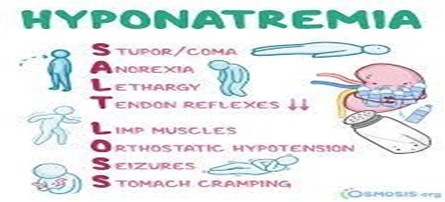
A nurse in the emergency department is assessing a young adult client who was administered a hypotonic IV fluid bolus for rehydration after collapsing at an athletic event. Which of the following findings indicates the client is experiencing water intoxication?
Weak pulses
Hypernatremia
Muscle weakness
Exaggerated reflexes
The Correct Answer is C
Muscle weakness is a finding that indicates the client is experiencing water intoxication. Muscle weakness is a symptom of water intoxication because the excessive intake of water dilutes the sodium levels in the blood, causing hyponatremia. Sodium is an electrolyte that helps maintain the balance of fluids in and around cells and also regulates muscle contraction. When sodium levels are too low, the cells swell and the muscles lose their ability to function properly.
Weak pulses are not a specific finding for water intoxication, as they can be caused by other factors such as decreased blood volume or inadequate cardiac output.
Hypernatremia is the opposite of hyponatremia, meaning high sodium levels in the blood. This can occur due to dehydration, excessive salt intake, or certain medical conditions, but not water intoxication.
Exaggerated reflexes are not typically associated with water intoxication. They may be seen in conditions such as hyperreflexia or certain neurological disorders.
Nursing Test Bank
Naxlex Comprehensive Predictor Exams
Related Questions
Correct Answer is C
Explanation
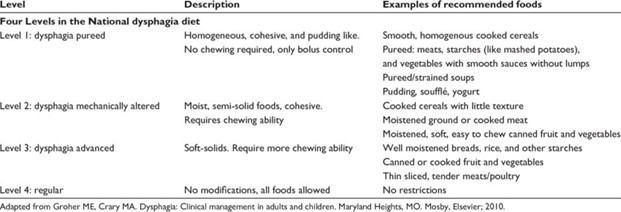
A level 1 dysphagia diet, also known as a pureed diet, is recommended for individuals with severe swallowing difficulties. It involves pureeing or blending all foods to a smooth consistency to facilitate swallowing and prevent choking.
● Chicken noodle soup: This option typically contains solid ingredients such as chicken, noodles, and vegetables, which are not suitable for a level 1 dysphagia diet. The client may have difficulty swallowing these solid components.
● Apple juice: Liquids, including apple juice, are generally not included in a level 1 dysphagia diet as they require minimal swallowing effort. However, it is essential to consult a speech-language pathologist or dysphagia specialist regarding the client's specific liquid consistency recommendations.
● Pudding: Pudding is an ideal choice for a level 1 dysphagia diet as it can be easily pureed to a smooth consistency that is safe for swallowing. It provides a creamy and soft texture that is easier for individuals with dysphagia to manage.
● Milk: Milk is not typically recommended for a level 1 dysphagia diet as it is a liquid and requires minimal swallowing effort. Similar to apple juice, specific liquid consistency recommendations should be sought from a dysphagia specialist.
Correct Answer is A
Explanation
Iron deficiency can have various manifestations, but one of the significant effects is its impact on cognitive function. Iron is essential for the proper functioning of the brain and nervous system. In children, iron deficiency can lead to lowered intellectual performance, including difficulties with concentration, learning, memory, and problem-solving skills. It can also affect overall cognitive development and academic performance.
The other options listed are not typically associated with iron deficiency:
"Elevated temperature": Elevated temperature or fever is not a direct manifestation of iron deficiency. Fever is commonly associated with infections, inflammatory conditions, or other illnesses, but not specifically with iron deficiency.
"Decreased sleeping time": While iron deficiency can cause various symptoms, changes in sleep patterns, such as decreased sleeping time, are not a typical manifestation. Iron deficiency may cause fatigue and general weakness, which could potentially impact sleep quality and duration, but it is not directly associated with decreased sleeping time.
"Increased risk of infection": Iron deficiency can affect the immune system, making individuals more susceptible to infections. However, an increased risk of infection is a consequence of impaired immune function rather than a direct manifestation of iron deficiency itself.
Whether you are a student looking to ace your exams or a practicing nurse seeking to enhance your expertise , our nursing education contents will empower you with the confidence and competence to make a difference in the lives of patients and become a respected leader in the healthcare field.
Visit Naxlex, invest in your future and unlock endless possibilities with our unparalleled nursing education contents today