
A nurse is providing teaching to the parent of a toddler who is scheduled for an electrocardiogram. Which of the following statements should the nurse make?
"Your child can rest on your lap during the procedure."
"An alarm will sound if your child has an abnormal heart rhythm."
"Leads will be placed on your child's back prior to the procedure."
"This procedure will take at least 30 minutes to complete."
The Correct Answer is A
Rationale:
A. Allowing the child to sit on the parent's lap can provide comfort and support during the procedure.
B. While the electrocardiogram (ECG) machine may have alarms, they are not typically related to abnormal heart rhythms during the procedure.
C. ECG leads are typically placed on the chest, not the back.
D. The duration of an ECG is relatively short, usually only a few minutes, so stating that it will take at least 30 minutes may cause unnecessary concern for the parent.
Nursing Test Bank
Naxlex Comprehensive Predictor Exams
Related Questions
Correct Answer is ["0.6"]
Explanation
Rationale:
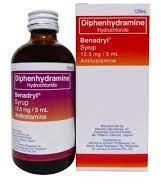
First, we need to convert the child's weight from pounds to kilograms. We can do this by dividing 55 by 2.2, which gives us 25 kg.
Next, we need to multiply the dose of diphenhydramine by the child's weight to get the total amount of medication needed. We can do this by multiplying 1.25 mg/kg by 25 kg, which gives us 31.25 mg.
Finally, we need to divide the total amount of medication by the concentration of the solution to get the volume to be administered. We can do this by dividing 31.25 mg by 50 mg/mL, which gives us 0.625 mL.
To round the answer to the nearest tenth, we look at the hundredths place and see that it is 5 or more, so we round up the tenths place by one. Therefore, the nurse should administer 0.6 mL of diphenhydramine IV to the child.
 |
Correct Answer is B
Explanation
Rationale:
A. This is not a common adverse effect associated with morphine.
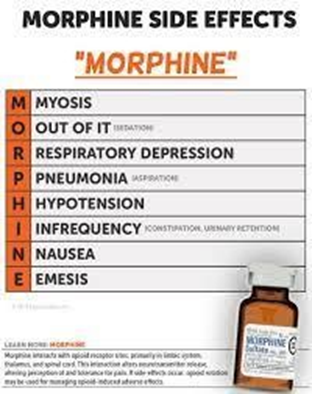
B. Nausea is a common adverse effect of morphine and should be monitored for, particularly in pediatric patients.
C. Stevens-Johnson syndrome is a severe allergic reaction and is not typically associated with morphine.
D. While morphine can cause urinary retention, it is not typically associated with renal failure.
Whether you are a student looking to ace your exams or a practicing nurse seeking to enhance your expertise , our nursing education contents will empower you with the confidence and competence to make a difference in the lives of patients and become a respected leader in the healthcare field.
Visit Naxlex, invest in your future and unlock endless possibilities with our unparalleled nursing education contents today