
A nurse is reinforcing discharge instructions for a client who has asthma and is about to start taking theophylline.
The nurse should instruct the client to monitor which of the following findings is an adverse effect of the medication.
Drowsiness.
Constipation.
Tachycardia.
None of the above.
The Correct Answer is C
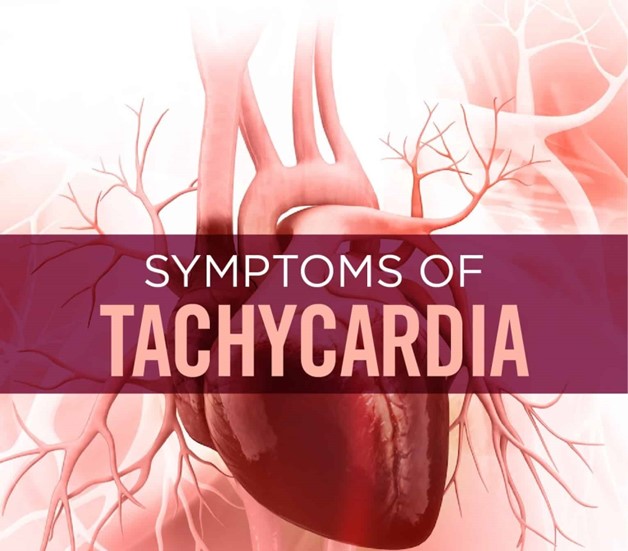
“Tachycardia.” Theophylline can cause a number of side effects, including tachycardia (fast heart rate) 1.
The nurse should instruct the client to monitor for this adverse effect and report it to their healthcare provider if it occurs.
Choice A is not correct because drowsiness is not a common side effect of theophylline.
Choice B is not correct because constipation is not a common side effect of theophylline.
Choice D is not correct because tachycardia is a known adverse effect of theophylline.
Nursing Test Bank
Naxlex Comprehensive Predictor Exams
Related Questions
Correct Answer is B
Explanation
The nurse should administer 2 tablets of levothyroxine 50 mcg to give the client a total dose of 100 mcg.
Choice A is not the best answer because administering 1 tablet of levothyroxine 50 mcg would only give the client a total dose of 50 mcg, which is not enough.
Choice C is not the best answer because administering 3 tablets of levothyroxine 50 mcg would give the client a total dose of 150 mcg, which is too much.
Choice D is not the best answer because administering 4 tablets of levothyroxine 50 mcg would give the client a total dose of 200 mcg, which is too much.
Correct Answer is C
Explanation
The nurse should set the flow rate to deliver 40 gtts/min.
This can be calculated by multiplying the infusion rate (120 mL/hr) by the drop factor (60 gtt/mL) and then dividing by the number of minutes in an hour (60 min/hr): (120 mL/hr) * (60 gtt/mL) / (60 min/hr) = 120 gtt/min
Choice A is not the best answer because setting the flow rate to deliver 20 gtts/min would not provide the desired infusion rate of 120 mL/hr.
Choice B is not the best answer because setting the flow rate to deliver 30 gtts/min would not provide the desired infusion rate of 120 mL/hr.
Choice D is not the best answer because setting the flow rate to deliver 50 gtts/min would provide a higher infusion rate than desired.
Whether you are a student looking to ace your exams or a practicing nurse seeking to enhance your expertise , our nursing education contents will empower you with the confidence and competence to make a difference in the lives of patients and become a respected leader in the healthcare field.
Visit Naxlex, invest in your future and unlock endless possibilities with our unparalleled nursing education contents today