
A nurse on the postpartum unit is caring for a client who delivered vaginally 3 hr ago.
Which of the following manifestations is a possible indication of postpartum hemorrhage?
Respiratory rate 32/min
Temperature 38.3° C (101°F)
Apical pulse 66/min
Blood pressure 156/80 mm Hg
The Correct Answer is A
A) Correct - An elevated respiratory rate could indicate postpartum hemorrhage as the body compensates for decreased oxygen-carrying capacity due to blood loss.
B) Incorrect- An elevated temperature might indicate infection, but it is not a specific indication of postpartum hemorrhage.
C) Incorrect- A normal apical pulse rate does not specifically indicate or rule out postpartum hemorrhage.
D) Incorrect- An elevated blood pressure might occur for various reasons postpartum, including anxiety or pain, but it is not a specific indication of postpartum hemorrhage.
Nursing Test Bank
Naxlex Comprehensive Predictor Exams
Related Questions
Correct Answer is D
Explanation
Rationale:
A) Incorrect - Applying oxygen is not the priority action in the case of excessive vaginal bleeding and a boggy uterus. Oxygen therapy would be appropriate if there were signs of respiratory distress or decreased oxygen saturation, but it does not directly address the primary concern of uterine atony and bleeding.
B) Incorrect - Administering methylergonovine might be appropriate, but the priority is to address the uterine atony with fundal massage first. Fundal massage helps stimulate uterine contractions and control bleeding, which is crucial in this scenario.
C) Incorrect - Encouraging the client to empty her bladder is important, but it is not the first action to take in the case of excessive bleeding and uterine atony. Immediate intervention to control the bleeding takes precedence.
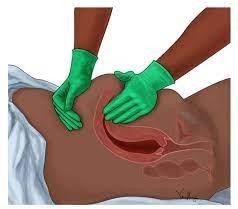
D) Correct - Initiating fundal massage is the priority action in this situation. A boggy uterus with excessive vaginal bleeding indicates uterine atony, which is a potentially life-threatening condition requiring immediate intervention to prevent further bleeding.
Fundal massage helps the uterus contract and control bleeding. Addressing uterine atony is critical to prevent further hemorrhage and stabilize the client's condition.
Correct Answer is ["B","D","F","H"]
Explanation
A) Glucose level might need to be assessed if there are signs of hypoglycemia or other concerns.
B) Mucous membrane assessment: Dry mucous membranes might indicate dehydration or other issues that need further evaluation.
C. Respiratory rate: The respiratory rate is not provided in the assessment, so there's no basis to report it. The assessment did not mention any abnormal respiratory rate.
D) The sclera color indicates that the newborn has jaundice, which is a common condition in newborns but requires monitoring and treatment to prevent complications.
E. Intake and output: Intake and output are not mentioned in the assessment, so there's no basis to report it. This information is not provided in the assessment findings.
F) The Coombs test result is important for assessing the presence of antibodies that could lead to hemolytic disease of the newborn due to blood type incompatibility with the mother, which can also cause jaundice and other serious problems.
G. Heart rate: The heart rate is not mentioned in the assessment, so there's no basis to report it. The assessment did not mention any abnormal heart rate.
H) Head assessment findings, such as soft and flat fontanels along with a molded head, should be communicated for further evaluation. The head assessment finding of caput succedaneum is a swelling of the scalp caused by pressure during delivery, which usually resolves within a few days but can increase the risk of jaundice and infection.
Whether you are a student looking to ace your exams or a practicing nurse seeking to enhance your expertise , our nursing education contents will empower you with the confidence and competence to make a difference in the lives of patients and become a respected leader in the healthcare field.
Visit Naxlex, invest in your future and unlock endless possibilities with our unparalleled nursing education contents today