
A nurse is reinforcing teaching with a client who is scheduled for an intravenous pyelogram.
Which of the following statements by the client indicates an understanding of the teaching?
“I can have a meal up to 2 hours before the procedure."
"I will feel a warming sensation after the injection of the dye."
"I do not need to sign a consent form before this procedure."
"I should limit my fluid intake for 2 days after the procedure."
The Correct Answer is B
During an intravenous pyelogram (IVP), a contrast dye is injected into the client's veins, and X-ray images are taken to visualize the urinary tract. The dye used in an IVP can cause a warming or flushing sensation as it circulates through the body. The client's statement indicates an understanding of this common sensation associated with the procedure.
"I can have a meal up to 2 hours before the procedure": This statement is incorrect. Typically, for an IVP, the client is required to have an empty stomach before the procedure to ensure accurate imaging results. The client should follow the specific instructions provided by their healthcare provider regarding fasting before the procedure.
"I do not need to sign a consent form before this procedure": This statement is incorrect. Informed consent is required for most medical procedures, including an IVP. The client should sign a consent form after receiving all the necessary information about the procedure, its risks, and benefits.
"I should limit my fluid intake for 2 days after the procedure": This statement is incorrect. After an IVP, it is generally advised to increase fluid intake to help flush out the contrast dye from the body and prevent potential complications. The client should follow the specific instructions provided by their healthcare provider regarding post-procedure fluid intake.
Nursing Test Bank
Naxlex Comprehensive Predictor Exams
Related Questions
Correct Answer is C
Explanation
This statement reflects appropriate newborn care as newborns have sensitive skin, and using soap on the face can cause irritation. Washing the baby's face with a warm, wet washcloth is a gentle and effective way to clean the baby's face without the need for soap.
Moist towelettes may not be suitable for cleaning a newborn's head as they may contain chemicals or fragrances that can be harsh on the baby's delicate skin. It is generally recommended to use a soft, damp cloth for cleaning the baby's head.
Bathing a newborn under a faucet of running water can be unsafe as the water temperature may fluctuate and pose a risk of scalding. It is recommended to use a baby bathtub or a basin with warm water for bathing the baby.
Newborns do not need to be bathed daily as frequent bathing can strip their skin of natural oils and cause dryness. It is generally recommended to bathe newborns 2-3 times a week or as needed, focusing on areas that need cleaning such as the diaper area and skin folds.
Correct Answer is A
Explanation
Placenta previa is a condition where the placenta partially or completely covers the cervix, leading to vaginal bleeding. The bleeding is typically painless and bright red in color. This is an important finding that should be assessed and monitored closely.
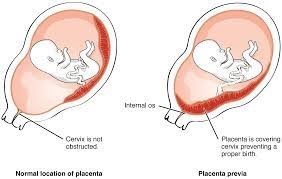
A rigid abdomen is not a characteristic finding of placenta previa. It could be a sign of another condition such as placental abruption or uterine rupture, which are separate complications. Fetal movement is not directly related to placenta previa. It is a normal finding and can vary depending on the gestational age and individual fetal patterns.
Placenta previa is not typically associated with persistent uterine contractions. However, it is important to monitor for any signs of preterm labor or other complications that could cause uterine contractions.
Whether you are a student looking to ace your exams or a practicing nurse seeking to enhance your expertise , our nursing education contents will empower you with the confidence and competence to make a difference in the lives of patients and become a respected leader in the healthcare field.
Visit Naxlex, invest in your future and unlock endless possibilities with our unparalleled nursing education contents today