
A nurse is reviewing a client's medical history to identify risk factors for osteoporosis. The nurse should identify that which of the following findings is a risk factor for developing osteoporosis?
Uses NSAIDs for pain relief
Age 45 years
Smokes cigarettes
Regular aerobic exercise
The Correct Answer is C
Choice A reason: Using NSAIDs for pain relief is not a risk factor for osteoporosis. NSAIDs are nonsteroidal anti-inflammatory drugs that are used to treat pain and inflammation. They do not affect bone density or calcium metabolism.
Choice B reason: Age 45 years is not a risk factor for osteoporosis. Osteoporosis is more common in older adults, especially postmenopausal women, but it can affect anyone at any age. The risk of osteoporosis increases with age, but it is not determined by a specific age.
Choice C reason: Smoking cigarettes is a risk factor for osteoporosis. Smoking can reduce bone mass and increase bone loss by interfering with the production and activity of estrogen, which is a hormone that protects bone health. Smoking can also impair blood circulation and oxygen delivery to the bones, which can affect their growth and repair.
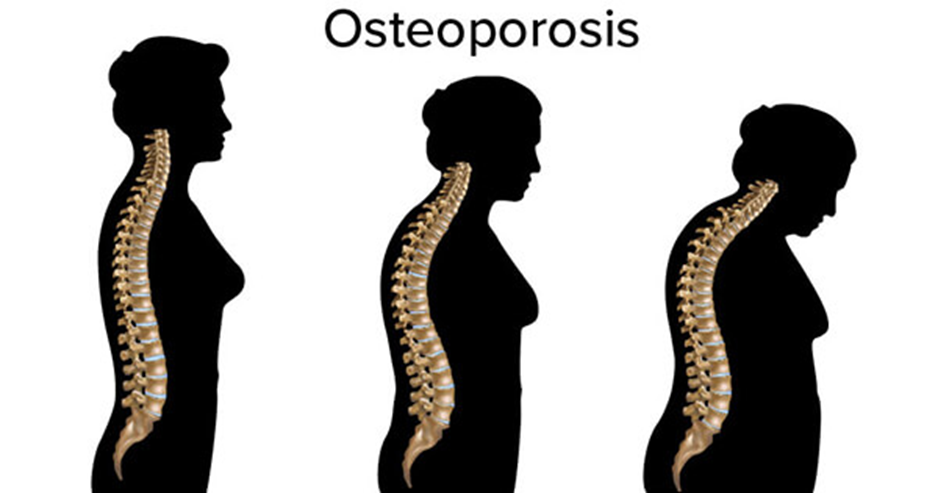
Choice D reason: Regular aerobic exercise is not a risk factor for osteoporosis. Aerobic exercise is a type of physical activity that increases the heart rate and improves cardiovascular fitness. Aerobic exercise can also benefit bone health by stimulating bone formation and increasing bone density. Aerobic exercise can also prevent falls and fractures by improving balance and coordination.
Nursing Test Bank
Naxlex Comprehensive Predictor Exams
Related Questions
Correct Answer is A
Explanation
Choice A reason: Applying a motion sensor mat to the client's bed is an appropriate action to prevent wandering and alert the staff if the client tries to get out of bed.
Choice B reason: Moving the overbed table away from the bed is not an effective action to prevent wandering, as it does not restrict the client's mobility or provide any supervision.
Choice C reason: Raising all four side rails while the client is in bed is an inappropriate action that can increase the risk of injury or entrapment if the client attempts to climb over them.
Choice D reason: Leaving the television on in the client's room is not an effective action to prevent wandering, as it does not provide any stimulation or distraction for the client.
Correct Answer is C
Explanation
Choice A reason: Using NSAIDs for pain relief is not a risk factor for osteoporosis. NSAIDs are nonsteroidal anti-inflammatory drugs that are used to treat pain and inflammation. They do not affect bone density or calcium metabolism.
Choice B reason: Age 45 years is not a risk factor for osteoporosis. Osteoporosis is more common in older adults, especially postmenopausal women, but it can affect anyone at any age. The risk of osteoporosis increases with age, but it is not determined by a specific age.
Choice C reason: Smoking cigarettes is a risk factor for osteoporosis. Smoking can reduce bone mass and increase bone loss by interfering with the production and activity of estrogen, which is a hormone that protects bone health. Smoking can also impair blood circulation and oxygen delivery to the bones, which can affect their growth and repair.
Choice D reason: Regular aerobic exercise is not a risk factor for osteoporosis. Aerobic exercise is a type of physical activity that increases the heart rate and improves cardiovascular fitness. Aerobic exercise can also benefit bone health by stimulating bone formation and increasing bone density. Aerobic exercise can also prevent falls and fractures by improving balance and coordination.
Whether you are a student looking to ace your exams or a practicing nurse seeking to enhance your expertise , our nursing education contents will empower you with the confidence and competence to make a difference in the lives of patients and become a respected leader in the healthcare field.
Visit Naxlex, invest in your future and unlock endless possibilities with our unparalleled nursing education contents today