
A nurse is reviewing the laboratory results of a client who has DKA. The client's ABG results are pH 7.30, PaCO₂ 34 mm Hg and HCO₃ 21 mEq/L. The nurse should identify that these values indicate which of the following acid-base imbalances?
Respiratory alkalosis
Metabolic alkalosis
Metabolic acidosis
Respiratory acidosis
The Correct Answer is C
A nurse reviewing the laboratory results of a client who has DKA should identify that the client's ABG results of pH 7.30, PaCO₂ 34 mm Hg and HCO₃ 21 mEq/L indicate metabolic acidosis. Metabolic acidosis is an acid-base imbalance characterized by a low pH (less than 7.35) and a low bicarbonate level (less than 22 mEq/L).
The other options are not correct.
a) Respiratory alkalosis is an acid-base imbalance characterized by a high pH (greater than 7.45) and a low PaCO₂ (less than 35 mm Hg).
b) Metabolic alkalosis is an acid-base imbalance characterized by a high pH (greater than 7.45) and a high bicarbonate level (greater than 26 mEq/L).
d) Respiratory acidosis is an acid-base imbalance characterized by a low pH (less than 7.35) and a high PaCO₂ (greater than 45 mm Hg).
Nursing Test Bank
Naxlex Comprehensive Predictor Exams
Related Questions
Correct Answer is D
Explanation
Answer: D
Rationale:
A) Collect 2 mL of sputum in an emesis basin: Collecting sputum in an emesis basin is inappropriate for laboratory testing. The sputum should be collected directly into a sterile container to prevent contamination. This ensures that the culture and sensitivity results are accurate and reflect the client's true respiratory pathogens.
B) Instruct the client to rinse with an antiseptic mouthwash prior to specimen collection: Using an antiseptic mouthwash before collecting a sputum sample is not recommended because it may alter the flora present in the sputum, leading to inaccurate culture results. Instead, the client should rinse their mouth with plain water to clear excess saliva or food debris.
C) Swab the oropharynx with a sterile swab: Swabbing the oropharynx does not obtain sputum from the lungs but instead gathers a sample from the throat, which may not be reflective of lower respiratory infections. A proper sputum sample is produced through a deep cough to collect material directly from the lungs.
D) Refrigerate the specimen until the time of transport to the laboratory: Refrigerating the sputum specimen helps to preserve its integrity by preventing the overgrowth of bacteria or other pathogens until it can be transported to the laboratory. Proper refrigeration ensures that the culture and sensitivity results remain accurate.
Correct Answer is C
Explanation
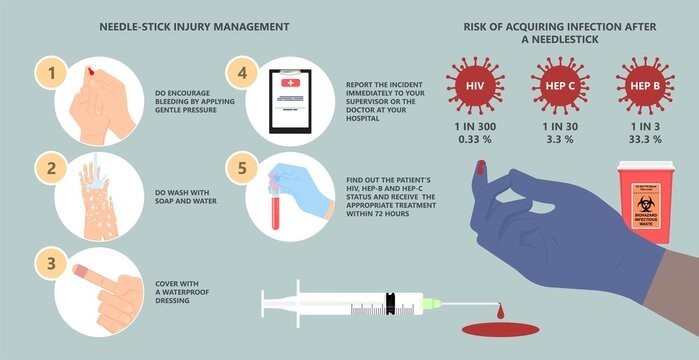
c. Dispose of the used needle immediately in a sharps container.
The nurse should dispose of the used needle immediately in a sharps container to reduce the risk of a needlestick injury. Sharps containers are specifically designed for the safe disposal of needles and other sharp objects. By placing the used needle directly into a sharps container, the nurse eliminates the need for handling or manipulating the needle further, reducing the risk of accidental needlestick injuries.
Explanation for the other options:
a. Place a cap holder securely on the used needle before disposal: Cap holders are not recommended for securing used needles before disposal. They may not provide adequate protection against needlestick injuries and can potentially increase the risk of accidental needlesticks when atempting to secure the cap holder.
b. Recap the needle for disposal later: Recapping the needle increases the risk of a needlestick injury. It is generally not recommended to recap needles after use, as it poses a greater risk of accidental puncture.
d. Detach the used needle and dispose of it promptly: Detaching the needle from the syringe before disposal is not recommended, as it increases the risk of a needlestick injury. It is safer to dispose of the needle and syringe as a unit in a sharps container to minimize the risk of accidental puncture.
Whether you are a student looking to ace your exams or a practicing nurse seeking to enhance your expertise , our nursing education contents will empower you with the confidence and competence to make a difference in the lives of patients and become a respected leader in the healthcare field.
Visit Naxlex, invest in your future and unlock endless possibilities with our unparalleled nursing education contents today