
A nurse is speaking with the adult child of a client who is terminally ill and has decided to discontinue further treatment. The adult child states, "I am not going to let this happen." Which of the following responses should the nurse make?
"Maybe you should try obtaining power of attorney to make the decisions."
"You must be devastated that your parent wants to stop treatment."
"We have to respect the wishes of your parent."
"I also feel really bad about this situation."
The Correct Answer is C
C. It promotes patient-centered care and acknowledges the client's right to make decisions about their own care, especially regarding end-of-life choices. This response supports ethical principles of autonomy and beneficence.
A. While obtaining power of attorney can be important for legal decision-making, this response may not address the emotional and supportive needs of the adult child or the family in this moment of distress and decision-making about end-of-life care.
B. It shows empathy and understanding of the adult child's feelings. However, it does not directly address the need to respect the client's wishes or provide guidance on how to navigate the situation practically.
D While it shows empathy, it may not fully address the needs of the adult child in terms of understanding and navigating the client's decision to discontinue treatment. The focus should be on supporting the family's emotional needs and facilitating communication about the client's wishes.
Nursing Test Bank
Naxlex Comprehensive Predictor Exams
Related Questions
Correct Answer is ["A","B","C","E"]
Explanation
A. Spacers are devices that can be attached to MDIs to help improve medication delivery to the lungs. They reduce the need for precise coordination between inhalation and actuation, making it easier for the medication to reach the lungs.
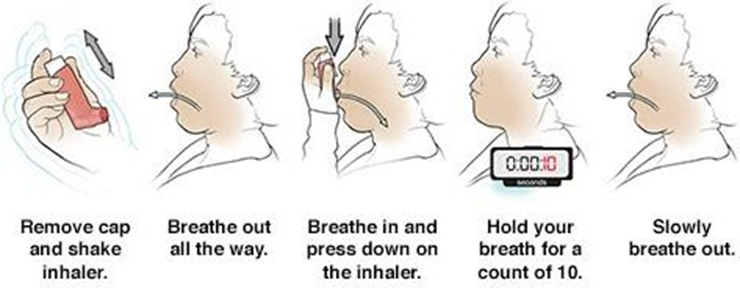
B Inhaling slowly allows the medication to be dispersed and distributed more effectively throughout the lungs. Rapid inhalation may cause the medication to impact the back of the throat rather than reaching the lungs. Instructing the client to inhale slowly helps maximize the amount of medication that reaches the airways.
C. Holding the mouthpiece between the lips and forming a good seal with the lips helps ensure that the medication is delivered directly into the airways. This technique ensures that the client inhales the medication effectively. Holding the mouthpiece between the lips also prevents the medication from escaping and ensures that it reaches the lungs.
E. Some medications delivered via MDIs, especially corticosteroids, can cause oral candidiasis (thrush) or irritation if not rinsed out of the mouth. Rinsing the mouth with water after using the MDI helps reduce the risk of side effects such as thrush or irritation in the mouth and throat. This instruction is particularly important for clients using corticosteroid inhalers.
D. MDIs can deliver medications for both quick relief (short-acting bronchodilators) and long-term control (maintenance medications). This instruction is correct if the medication prescribed is a short- acting bronchodilator (e.g., albuterol) used for quick relief of symptoms like wheezing or shortness of breath. However, if the medication is a long-term control medication (e.g., corticosteroid inhaler), it should be used regularly as prescribed to manage underlying inflammation.
Correct Answer is B
Explanation
B. Tricyclic antidepressants, including amitriptyline, can affect appetite and metabolism, often resulting in weight gain. Clients should be informed about this potential side effect so they can monitor their food intake and weight.
A. Hair loss (alopecia) is not typically associated with tricyclic antidepressants like amitriptyline. If a client experiences hair loss, it is more likely due to other factors or conditions unrelated to this medication.
C Tricyclic antidepressants like amitriptyline can slow down gastrointestinal motility, leading to constipation rather than diarrhea. It's important to educate clients about the potential for constipation and encourage them to maintain adequate fluid intake and dietary fiber.
D. Tricyclic antidepressants can have anticholinergic effects, including urinary retention rather than increased frequency. Clients should be aware of this potential side effect and report any difficulty urinating to their healthcare provider.
Whether you are a student looking to ace your exams or a practicing nurse seeking to enhance your expertise , our nursing education contents will empower you with the confidence and competence to make a difference in the lives of patients and become a respected leader in the healthcare field.
Visit Naxlex, invest in your future and unlock endless possibilities with our unparalleled nursing education contents today