
A nurse is teaching a client who has a new prescription for allopurinol for the treatment of gout. Which of the following instructions should the nurse include?
Drink 2 liters of fluid each day while taking the medication.
Take a 650 milligram dose of aspirin for joint pain.
Take the medication on an empty stomach.
Do not crush the medication before taking it.
The Correct Answer is A
Choice A reason: This is correct because staying well hydrated can help prevent gout attacks and kidney stones, which can be a side effect of allopurinol.
Choice B reason: This is incorrect. Aspirin can interfere with allopurinol and may increase the risk of gout attacks; therefore, it is not recommended without consulting a healthcare provider.
Choice C reason: This is incorrect. Allopurinol does not need to be taken on an empty stomach; it can be taken with or without food.
Choice D reason: This is correct. Allopurinol should not be crushed or chewed; it should be swallowed whole.
Nursing Test Bank
Naxlex Comprehensive Predictor Exams
Related Questions
Correct Answer is A
Explanation
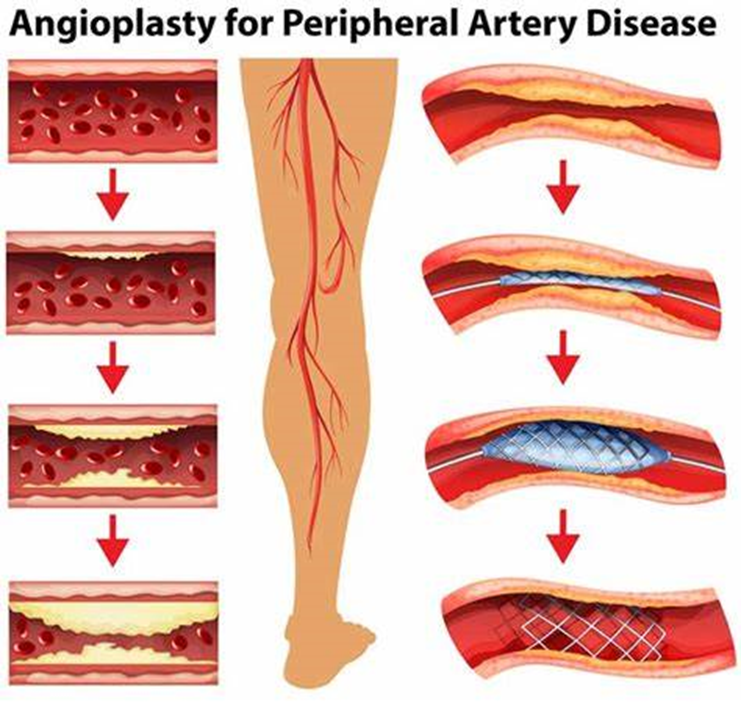
Choice A reason: Pain at rest is a common symptom of advanced PAD, indicating that blood flow is so reduced that the muscles are not receiving enough oxygen even when not active.
Choice B reason: Thin, brittle toenails can be a sign of PAD due to poor blood flow affecting the growth and health of the nails.
Choice C reason: Hanging legs, or dependent positioning, may temporarily relieve pain for PAD patients due to gravity assisted blood flow; however, it is not a finding but rather a coping mechanism.
Choice D reason: Cool extremities are expected in PAD because reduced blood flow decreases the warmth supplied to the tissues.
Correct Answer is C
Explanation
Choice A reason: Fatigue is a common symptom of ITP but is not the primary concern for monitoring, as it does not directly indicate the severity of the condition.
Choice B reason: While monitoring for side effects of immunosuppressants is important, it is not the priority concern. The primary issue in ITP is the low platelet count, which poses a risk of bleeding.
Choice C reason: Thrombocytopenia, or low platelet count, is the hallmark of ITP and the main concern for monitoring, as it increases the risk of bleeding and bruising.
Choice D reason: Infection is a risk due to the potential use of immunosuppressants in treatment; however, the immediate concern in ITP management is the platelet count and associated bleeding risk.
Whether you are a student looking to ace your exams or a practicing nurse seeking to enhance your expertise , our nursing education contents will empower you with the confidence and competence to make a difference in the lives of patients and become a respected leader in the healthcare field.
Visit Naxlex, invest in your future and unlock endless possibilities with our unparalleled nursing education contents today