
A nurse is reviewing the laboratory values of four clients. Which of the following values indicates to the nurse that a client has iron-deficiency anemia?
A client whose hematocrit is 42%
A client whose hemoglobin is 15 g/dL
A client whose ferritin level is 8 ng/mL
A client whose RBC count is 5.2 million/mm3
The Correct Answer is C
Iron-deficiency anemia is characterized by a deficiency of iron, which is necessary for the production of hemoglobin in red blood cells. Ferritin is a protein that stores iron in the body, and a low ferritin level is an indicator of depleted iron stores.
Ferritin: The normal range for ferritin varies depending on the laboratory, but typically it is around 12 to 300 ng/mL for females and 12 to 500 ng/mL for males. A client with a ferritin level of 8 ng/mL has a significantly low level, suggesting iron-deficiency anemia due to depleted iron stores.
Hematocrit: The normal range for hematocrit is around 36% to 46% for females and 38% to 50% for males. A client with a hematocrit of 42% falls within the normal range and does not suggest iron-deficiency anemia.
Hemoglobin: The normal range for hemoglobin is approximately 12 to 16 g/dL for females and
13.5 to 17.5 g/dL for males. A client with a hemoglobin level of 15 g/dL is within the normal range and does not indicate iron-deficiency anemia.
RBC count: The normal range for red blood cell (RBC) count is roughly 4.2 to 5.4 million/mm3 for females and 4.7 to 6.1 million/mm3 for males. A client with an RBC count of 5.2 million/mm3 falls within the normal range and does not indicate iron-deficiency anemia.
Nursing Test Bank
Naxlex Comprehensive Predictor Exams
Related Questions
Correct Answer is A
Explanation
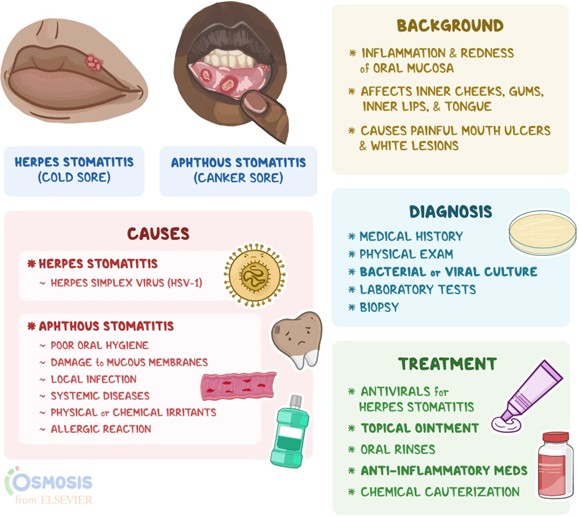
An appropriate intervention for a nurse caring for a client with stomatitis following radiation therapy would be to serve foods without sauces or gravies. Stomatitis is the inflammation of the mucous membranes in the mouth, which can cause pain and discomfort. Foods with sauces or gravies can irritate the affected areas and exacerbate the symptoms. Serving plain or bland foods can help alleviate discomfort and promote healing.
Instructing the client to drink liquids without a straw is not specifically related to stomatitis. The use of a straw may not have a direct impact on the condition. However, it is generally recommended to avoid using a straw when there are mouth sores or ulcers to prevent further irritation.
Serving foods while still at a hot temperature is not appropriate for a client with stomatitis. Hot foods can cause additional discomfort and may further irritate the inflamed tissues. It is advisable to serve foods at a cooler or lukewarm temperature to provide relief.
Offering mouth rinses with normal saline and water is not specifically related to stomatitis following radiation therapy. While mouth rinses can be helpful in maintaining oral hygiene and soothing oral tissues, the choice of rinse solution may vary depending on the client's condition and healthcare provider's recommendations. In some cases, a healthcare provider may prescribe a specific mouth rinse or provide instructions on the appropriate solution to use.
Correct Answer is B
Explanation
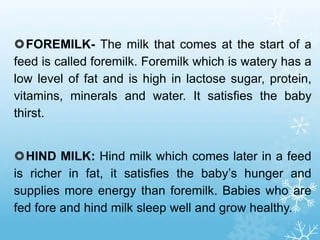
"My baby will receive the most milk within the first 10 minutes of the feeding": This statement is correct. During the first few minutes of breastfeeding, the baby receives the foremilk, which is more watery and quenches their thirst. The hindmilk, which is higher in fat and provides more calories, is obtained as the feeding progresses.
"I need to supplement feedings with water once my baby is 4 months old": Breast milk provides all the necessary fluids for the baby, and additional water supplementation is generally not needed for exclusively breastfed infants.
"The purpose of alternating breasts during feedings is to promote comfort": The purpose of alternating breasts during feedings is to ensure that the baby receives both foremilk and hindmilk from each breast and to stimulate milk production in both breasts. It is not primarily for promoting comfort.
"During the first few weeks, I should nurse my baby every 4 hours": Breastfed newborns typically feed more frequently than every 4 hours, especially during the early weeks.
On-demand feeding is recommended, which means feeding the baby whenever they show hunger cues, which can be more frequent than every 4 hours.
Whether you are a student looking to ace your exams or a practicing nurse seeking to enhance your expertise , our nursing education contents will empower you with the confidence and competence to make a difference in the lives of patients and become a respected leader in the healthcare field.
Visit Naxlex, invest in your future and unlock endless possibilities with our unparalleled nursing education contents today