
A nurse is planning a class for parents of school-age children about iron intake. Which of the following should the nurse include as a manifestation of iron deficiency?
Lowered intellectual performance
Elevated temperature
Decreased sleeping time
Increased risk of infection
The Correct Answer is A
Iron deficiency can have various manifestations, but one of the significant effects is its impact on cognitive function. Iron is essential for the proper functioning of the brain and nervous system. In children, iron deficiency can lead to lowered intellectual performance, including difficulties with concentration, learning, memory, and problem-solving skills. It can also affect overall cognitive development and academic performance.
The other options listed are not typically associated with iron deficiency:
"Elevated temperature": Elevated temperature or fever is not a direct manifestation of iron deficiency. Fever is commonly associated with infections, inflammatory conditions, or other illnesses, but not specifically with iron deficiency.
"Decreased sleeping time": While iron deficiency can cause various symptoms, changes in sleep patterns, such as decreased sleeping time, are not a typical manifestation. Iron deficiency may cause fatigue and general weakness, which could potentially impact sleep quality and duration, but it is not directly associated with decreased sleeping time.
"Increased risk of infection": Iron deficiency can affect the immune system, making individuals more susceptible to infections. However, an increased risk of infection is a consequence of impaired immune function rather than a direct manifestation of iron deficiency itself.
Nursing Test Bank
Naxlex Comprehensive Predictor Exams
Related Questions
Correct Answer is A
Explanation
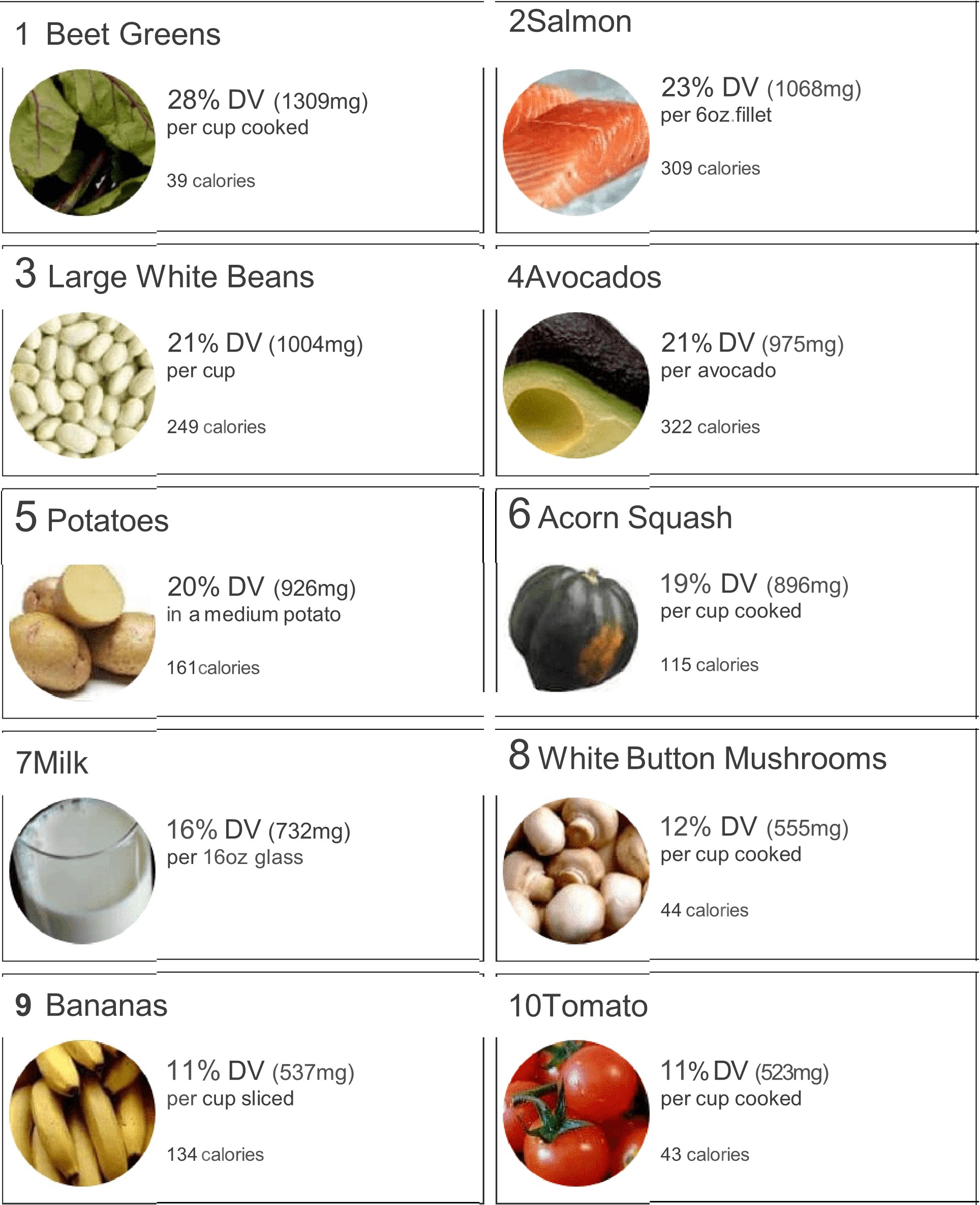
According to some sources, the food that contains the greatest amount of potassium among the four options is one small baked potato, with about 925 mg of potassium per serving1.
The other foods have much lower amounts of potassium: 1 oz of cheddar cheese has about 28 mg, 1 cup of brown rice has about 84 mg, and one medium raw tomato has about 290 mg.
Correct Answer is D
Explanation
Prealbumin (also known as transthyretin): Prealbumin is a protein synthesized in the liver and has a shorter half-life compared to albumin. It is considered a more sensitive marker for
short-term nutritional changes and can reflect the effectiveness of TPN within a few days.
Prealbumin levels can indicate the response to nutritional interventions and provide a more immediate assessment of nutritional adequacy.
Hemoglobin: Hemoglobin is a measure of the oxygen-carrying capacity of red blood cells and is typically used to assess anemia. While hemoglobin can be affected by nutritional status, it is not a specific marker for the short-term effectiveness of TPN.
Total albumin: Total albumin is a measure of protein status and can be affected by various factors, including inflammation and liver disease. However, it has a longer half-life and slower response to nutritional changes, so it may not be the best indicator for short-term effectiveness.
Transferrin: Transferrin is a protein involved in iron transport and can be used as an indicator of iron status. However, it may not reflect short-term changes in nutritional status and is not specific to TPN effectiveness.
Monitoring prealbumin levels can help determine the short-term effectiveness of TPN and guide adjustments to the nutritional plan.
Whether you are a student looking to ace your exams or a practicing nurse seeking to enhance your expertise , our nursing education contents will empower you with the confidence and competence to make a difference in the lives of patients and become a respected leader in the healthcare field.
Visit Naxlex, invest in your future and unlock endless possibilities with our unparalleled nursing education contents today