
A nurse is teaching a group of parents about appropriate food choices for toddlers. Which of the following choices by the parents demonstrates an understanding of the teaching?
Steak cut into small pieces
Cooked spaghetti with sauce
Hot dog cut in fourths
Caramel popcorn
The Correct Answer is B
Steak cut into small pieces: While it is important to introduce a variety of textures and flavors to toddlers, steak may be challenging for them to chew and swallow safely. It is recommended to offer softer and more easily chewable protein sources, such as finely minced or shredded cooked meat, ground meat, or soft fish.
Cooked spaghetti with sauce: This is a good choice for a toddler. Cooked spaghetti with sauce provides a balanced meal that includes carbohydrates from the pasta, nutrients from the sauce (e.g., vegetables, protein), and a variety of flavors and textures. It is important to ensure that the spaghetti is cooked to an appropriate tenderness for the toddler's chewing and swallowing abilities.
Hot dogs cut in fourths: Hot dogs pose a potential choking hazard for toddlers due to their cylindrical shape and texture. Cutting the hot dog into smaller pieces is a safety measure, but it is still recommended to be cautious with hot dog consumption and offer alternative protein sources that are safer and easier to chew.
Caramel popcorn: Caramel popcorn is not an appropriate food choice for toddlers. Popcorn can be a choking hazard due to its small, hard, and irregular shape. Caramel popcorn can also be high in added sugars, which are not recommended in excess for young children. It is important to provide safe, age-appropriate snacks that are easy to chew and swallow, such as cut fruits, soft-cooked vegetables, or age-appropriate crackers.
Nursing Test Bank
Naxlex Comprehensive Predictor Exams
Related Questions
Correct Answer is D
Explanation
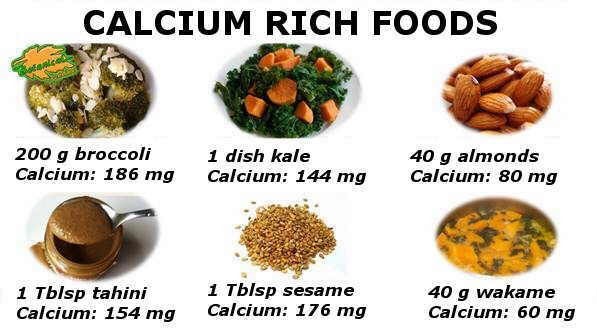
The dietary choice with the highest calcium content among the options provided would be 1 cup of broccoli. Broccoli is a good source of calcium and can contribute to meeting the body's calcium needs.
While tomatoes, bananas, and grapes are healthy fruits, they are not significant sources of calcium. They are lower in calcium content compared to broccoli. However, these fruits do offer other nutritional benefits such as vitamins and antioxidants.
To promote bone health and prevent osteoporosis, it is important to include calcium-rich foods in the diet, such as dairy products (milk, yogurt, cheese), fortified plant-based milk, leafy green vegetables (like broccoli), tofu, and certain fish (like salmon and sardines). Additionally, adequate vitamin D intake and regular weight-bearing exercise are also important for maintaining strong bones.
Correct Answer is C
Explanation
A) Drinking iced tea with meals can increase the amount of iron absorbed.
- This statement is not correct. Drinking iced tea, especially black tea, can inhibit the absorption of iron. It contains compounds that interfere with the body's ability to absorb non-heme iron, which is found in plant-based foods and supplements. Therefore, this information is not accurate and should not be included in the teaching.
B) Drinking orange juice with iron supplements can decrease absorption.
- This statement is not correct either. In fact, drinking orange juice with iron supplements can enhance iron absorption. This is because orange juice is a good source of vitamin C, which helps the body absorb non-heme iron more effectively. So, this information is inaccurate and should not be included in the teaching.
C) Fish and poultry are primary sources of heme iron.
- This statement is correct. Heme iron is found in animal-based sources like fish and poultry, and it is more readily absorbed by the body compared to non-heme iron from plant-based sources.
D) Cooking in a stainless steel skillet increases the amount of iron in the food.
- This statement is not accurate. Cooking in a stainless steel skillet does not significantly increase the iron content in food. The type of iron in the skillet is not the same as the dietary iron, and it doesn't transfer in significant amounts to the food being cooked. Therefore, this information is not correct and should not be included in the teaching.
So, the nurse should include the information from option C, which is accurate: "Fish and poultry are primary sources of heme iron." Options A, B, and D contain inaccurate information and should be avoided in the teaching to ensure the client receives correct guidance for managing iron deficiency anemia.
Whether you are a student looking to ace your exams or a practicing nurse seeking to enhance your expertise , our nursing education contents will empower you with the confidence and competence to make a difference in the lives of patients and become a respected leader in the healthcare field.
Visit Naxlex, invest in your future and unlock endless possibilities with our unparalleled nursing education contents today