
A nurse is teaching a group of clients who are at risk for heart disease about decreasing saturated fats in their diet. Which of the following fats should the nurse recommend the clients use when cooking?
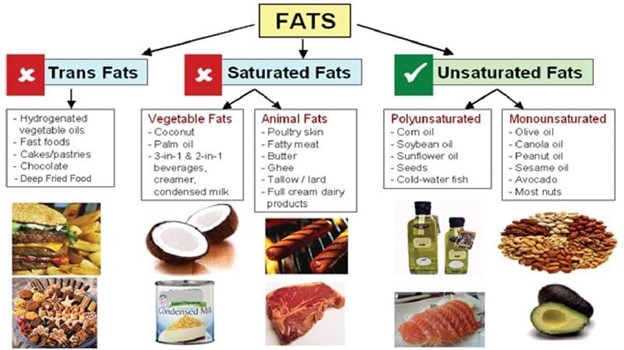
Canola oil
Palm oil
Peanut oil
Stick margarine
The Correct Answer is A
Canola oil: Canola oil is a healthier option when it comes to cooking oils. It is low in saturated fat and high in monounsaturated fat, which is beneficial for heart health. Monounsaturated fats can help lower LDL (bad) cholesterol levels when used in place of saturated fats. Canola oil is a versatile oil that can be used for various cooking methods, including sautéing, baking, and grilling.
Palm oil: Palm oil is high in saturated fat and should be limited or avoided when trying to decrease saturated fats in the diet. High intake of saturated fats can raise LDL cholesterol levels and increase the risk of heart disease.
Peanut oil: Peanut oil is another good option for cooking. It is low in saturated fat and contains a good amount of monounsaturated fat. Using peanut oil in moderation can be a healthier choice compared to oils high in saturated fat.
Stick margarine: Stick margarine is not recommended when trying to decrease saturated fats in the diet. Most stick margarines are high in trans fats, which are even more detrimental to heart health than saturated fats. Trans fats can increase LDL cholesterol levels and decrease HDL (good) cholesterol levels, thereby increasing the risk of heart disease.
Nursing Test Bank
Naxlex Comprehensive Predictor Exams
Related Questions
Correct Answer is A
Explanation
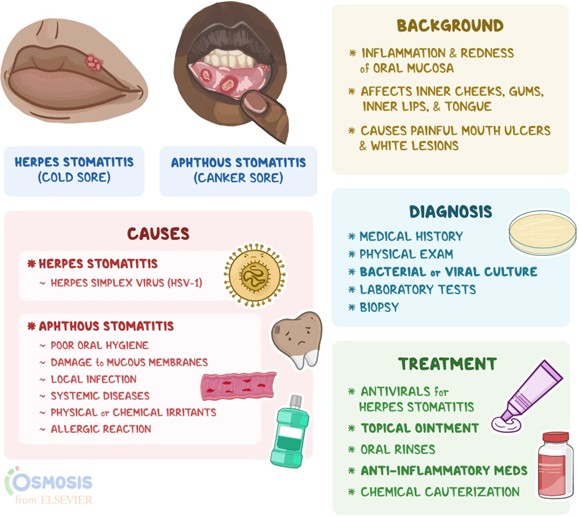
An appropriate intervention for a nurse caring for a client with stomatitis following radiation therapy would be to serve foods without sauces or gravies. Stomatitis is the inflammation of the mucous membranes in the mouth, which can cause pain and discomfort. Foods with sauces or gravies can irritate the affected areas and exacerbate the symptoms. Serving plain or bland foods can help alleviate discomfort and promote healing.
Instructing the client to drink liquids without a straw is not specifically related to stomatitis. The use of a straw may not have a direct impact on the condition. However, it is generally recommended to avoid using a straw when there are mouth sores or ulcers to prevent further irritation.
Serving foods while still at a hot temperature is not appropriate for a client with stomatitis. Hot foods can cause additional discomfort and may further irritate the inflamed tissues. It is advisable to serve foods at a cooler or lukewarm temperature to provide relief.
Offering mouth rinses with normal saline and water is not specifically related to stomatitis following radiation therapy. While mouth rinses can be helpful in maintaining oral hygiene and soothing oral tissues, the choice of rinse solution may vary depending on the client's condition and healthcare provider's recommendations. In some cases, a healthcare provider may prescribe a specific mouth rinse or provide instructions on the appropriate solution to use.
Correct Answer is C
Explanation
"Position the newborn at a 20-degree angle after feeding": This is the correct instruction. After feeding, it is beneficial to position the newborn at a slight angle, usually around 20 degrees, to help reduce gastroesophageal reflux. This position helps gravity keep the stomach contents down and prevents them from regurgitating back into the esophagus.
"Provide a small feeding just before bedtime": This instruction is not recommended for a newborn with gastroesophageal reflux. It is advisable to avoid feeding the baby just before bedtime as lying down can worsen the reflux symptoms. Instead, it is generally recommended to keep the baby upright for some time after feeding to allow for proper digestion and minimize reflux.
"Place the newborn in a side-lying position if vomiting": Placing the newborn in a side-lying position after vomiting is not recommended. This position does not provide adequate support to prevent choking or aspiration in case of vomiting. Instead, it is recommended to keep the newborn in an upright or slightly elevated position after feeding to minimize reflux.
"Dilute formula with 1 tablespoon of water": Diluting formula with water is not a recommended practice unless specifically advised by a healthcare provider. It is important to follow the instructions on the formula packaging or the healthcare provider's guidance regarding formula preparation to ensure appropriate nutrition and hydration for the newborn.

Whether you are a student looking to ace your exams or a practicing nurse seeking to enhance your expertise , our nursing education contents will empower you with the confidence and competence to make a difference in the lives of patients and become a respected leader in the healthcare field.
Visit Naxlex, invest in your future and unlock endless possibilities with our unparalleled nursing education contents today