
A nurse is teaching a client's partner how to administer an optic medication to the client. Which of the following statements by the client's partner indicates an understanding of the teaching?
"I will have my partner tilt their head back while I am instilling the drops."
"I will make sure the solution is cool prior to instilling the drops."
"I will pull the pinna upward and outward prior to instilling the drops."
"I will have my partner lie down on their back while I am instilling the drops."
The Correct Answer is C
Choice A Reason:
"I will have my partner tilt their head back while I am instilling the drops." Is incorrect. Tilting the head back is not typically recommended for administering optic medication as it might cause the medication to flow out instead of remaining in the ear canal.
Choice B Reason:
"I will make sure the solution is cool prior to instilling the drops." Is incorrect. The temperature of the solution usually doesn't need to be adjusted before instilling optic drops unless directed otherwise by specific medication instructions or healthcare provider guidance.
Choice C Reason:
"I will pull the pinna upward and outward prior to instilling the drops." Is correct statement. Pulling the pinna (outer ear) upward and outward helps straighten the ear canal in adults, facilitating the proper administration of optic (ear) drops. This action helps ensure that the medication reaches the ear canal effectively.
Choice D Reason:
"I will have my partner lie down on their back while I am instilling the drops." Is incorrect statement.
Having the partner lie down on their back might not be necessary for administering optic medication and might not be the optimal position for effective instillation.
Nursing Test Bank
Naxlex Comprehensive Predictor Exams
Related Questions
Correct Answer is C
Explanation
Choice A Reason:
Dark amber urine is incorrect. Dark urine can indicate concentrated urine, often seen in dehydration when the body is trying to conserve water.
Choice B Reason:
Decreased skin turgor is incorrect. Decreased skin turgor is a classic sign of dehydration, indicating that the skin lacks elasticity due to insufficient fluid intake or loss.
Choice C Reason:
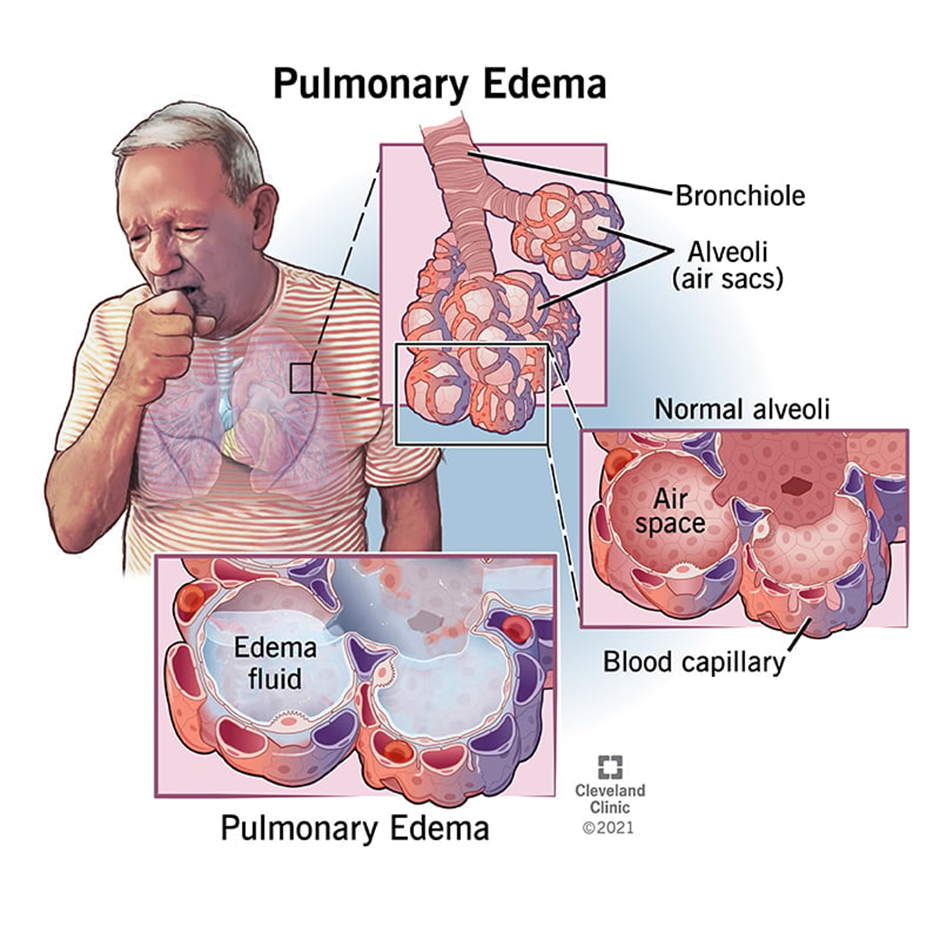
Pink, frothy sputum is correct. Normal saline is a common intravenous solution used to treat dehydration. However, in some cases, especially when administered in excessive amounts, it can lead to fluid overload or pulmonary edema. This can manifest as pink, frothy sputum, indicating potential pulmonary congestion or edema, which is a serious adverse effect of fluid overload.
Choice D Reason:
Increased bowel sounds is incorrect. Increased bowel sounds can be seen in various conditions, including gastrointestinal disturbances or hyperactive bowel motility, but it's not typically associated with the adverse effects of normal saline administration.
Correct Answer is B
Explanation
Choice A Reason:
Giving the prescribed dose of clindamycin is not appropriate due to the reported penicillin allergy, which increases the risk of an allergic reaction.
Choice B Reason:
Obtain a prescription for an alternative antibiotic is correct. Given the client's reported allergy to penicillin, which is in the same antibiotic class as clindamycin (both are antibiotics that belong to the beta-lactam group), there is a higher risk of cross-reactivity and potential allergic reaction. Therefore, it's important to avoid administering clindamycin in such cases and seek an alternative antibiotic that does not have a similar chemical structure to penicillin to prevent an allergic reaction.
Choice C Reason:
Premeditating the client with epinephrine before administering the antibiotic is not a standard practice in this context. Epinephrine is used to treat severe allergic reactions but is not used as a preventive measure before administering antibiotics.
Choice D Reason:
Administering the clindamycin using a desensitization schedule might be an option in certain situations under the guidance of an allergist or immunologist, but it's not typically performed by nurses and requires a specific protocol and expertise in managing drug allergies. Obtaining an alternative antibiotic is a more appropriate and immediate action to avoid the risk of an allergic reaction in this scenario.
Whether you are a student looking to ace your exams or a practicing nurse seeking to enhance your expertise , our nursing education contents will empower you with the confidence and competence to make a difference in the lives of patients and become a respected leader in the healthcare field.
Visit Naxlex, invest in your future and unlock endless possibilities with our unparalleled nursing education contents today