
A nurse is teaching a newly licensed nurse about measuring body temperature in clients. Which of the following clients should the nurse instruct to obtain an oral temperature?
A client who has haemorrhoids
A client who had recent oral surgery
A client who has a coagulation disorder
A client who is drinking ice water
The Correct Answer is A
Answer: A
Rationale:
A) A client who has hemorrhoids: An oral temperature is appropriate for this client as there are no contraindications for using the oral route. Hemorrhoids do not affect the accuracy or safety of oral temperature measurement.
B) A client who had recent oral surgery: Oral temperature measurement should be avoided for this client as it may cause discomfort or disrupt the healing process. Alternative routes, such as tympanic or axillary, are more appropriate.
C) A client who has a coagulation disorder: Oral temperature measurement might be risky in clients with coagulation disorders due to the potential for trauma or bleeding from the oral mucosa. A non-invasive method is preferable for safety.
D) A client who is drinking ice water: Drinking ice water can temporarily lower the temperature in the oral cavity, leading to inaccurate readings. The nurse should wait 15–30 minutes before measuring an oral temperature.
Nursing Test Bank
Naxlex Comprehensive Predictor Exams
Related Questions
Correct Answer is C
Explanation
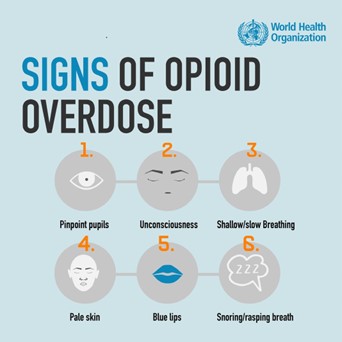
Opioid toxicity can cause difficulties with breathing and an opioid overdose can lead to death1. A respiratory rate of 10/min is considered low and could be a sign of opioid toxicity.
Correct Answer is A
Explanation
- Remove protective gown before removing gloves.
When caring for a client with Clostridium Difficile, it is important to follow strict contact precautions to prevent the spread of the bacteria. The nurse should remove the protective gown before removing gloves to avoid contaminating the gown with any bacteria that may be on the gloves. This helps to minimize the risk of spreading the bacteria to other clients or healthcare workers.
- Shake bed linens before placing them in a linen bag.
Shaking bed linens can cause any bacteria that may be on them to become airborne, increasing the risk of spreading the bacteria to other surfaces. Instead, bed linens should be rolled up and placed directly into a linen bag without shaking them.
- Use an electronic thermometer to take the client's temperature.
An electronic thermometer is preferred when taking the temperature of a client with Clostridium Difficile because it can be easily disinfected between uses, reducing the risk of spreading the bacteria.
- Remove protective gloves when leaving the client's room.
Protective gloves should be removed before leaving the client's room to avoid contaminating other surfaces or spreading the bacteria to other clients or healthcare workers.
Whether you are a student looking to ace your exams or a practicing nurse seeking to enhance your expertise , our nursing education contents will empower you with the confidence and competence to make a difference in the lives of patients and become a respected leader in the healthcare field.
Visit Naxlex, invest in your future and unlock endless possibilities with our unparalleled nursing education contents today