
A nurse is teaching a parent of a child who has a urinary tract infection. Which of the following should the nurse include in the teaching? (Select all that apply).
Avoid bubble baths.
Watch for manifestations of infection.
Empty the bladder completely with each void.
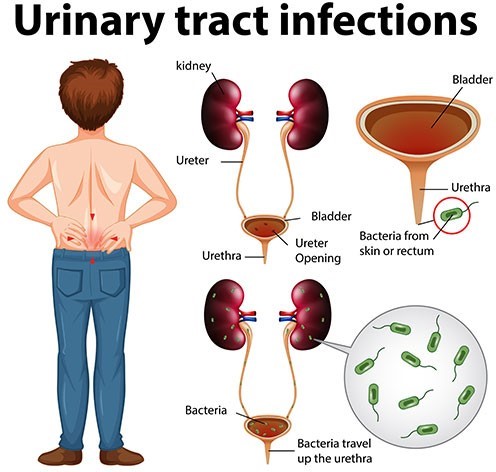
Wipe perineal area front to back.
Wear cotton underpants.
Correct Answer : A,B,C,D,E
The nurse should include all of these points in the teaching.
A. Avoiding bubble baths can help prevent irritation and infection.
B. Watching for manifestations of infection can help detect any worsening or recurrence of the infection.
C. Emptying the bladder completely with each void can help prevent urine from remaining in the bladder and causing infection.
D. Wiping the perineal area front to back can help prevent bacteria from
spreading to the urethra.
E. Wearing cotton underpants can help keep the area dry and reduce the risk of infection.
Nursing Test Bank
Naxlex Comprehensive Predictor Exams
Related Questions
Correct Answer is D
Explanation
a.While involving mental health professionals can be part of a broader intervention plan, it is not the immediate priority in cases of suspected abuse. The nurse must first address the immediate safety concerns and follow the required reporting procedures.
b.Separating the child from the parents without proper authority or immediate threat can escalate the situation and may not be legally permissible. This action should be taken by authorities with the legal power to do so if deemed necessary.
c.Nurses are mandated reporters, which means they are legally required to report any suspected child abuse to the appropriate authorities immediately. This action ensures that the child’s safety is prioritized and that a proper investigation can be initiated however,obtaining a detailed history is the priority.
d.When a nurse observes several bruises on a child, the initial action should be toobtain a detailed history. This step allows the nurse to gather information about the circumstances surrounding the bruises, assess for any potential signs of abuse, and determine the most appropriate course of action.
Correct Answer is D
Explanation
The nurse should first offer the mother's private time with the newborn to allow her to grieve and say goodbye.
This can be an important part of the healing process for the mother.
Choice A is not an answer because contacting clergy is not the first action the nurse should take.
Choice B is not an answer because transferring the client to another unit is not the first action the nurse should take.
Choice C is not an answer because administering medication is not the first action the nurse should take.
Whether you are a student looking to ace your exams or a practicing nurse seeking to enhance your expertise , our nursing education contents will empower you with the confidence and competence to make a difference in the lives of patients and become a respected leader in the healthcare field.
Visit Naxlex, invest in your future and unlock endless possibilities with our unparalleled nursing education contents today