
A nurse is planning care for a client who ingested a large amount of acetylsalicylic acid.
Which of the following actions should the nurse take?
Administer N-acetylcysteine.
Initiate chelation therapy with deferoxamine.
Perform gastric lavage with activated charcoal.
Induce vomiting with syrup of ipecac.
The Correct Answer is C
Activated charcoal should be given as soon as possible to help absorb the acetylsalicylic acid in the gastrointestinal tract.
Choice A is not an answer because N-acetylcysteine is used to treat acetaminophen overdose, not acetylsalicylic acid overdose.
Choice B is not an answer because chelation therapy with deferoxamine is used to treat iron poisoning, not acetylsalicylic acid overdose.
Choice D is not an answer because inducing vomiting with syrup of ipecac is no longer recommended for the treatment of poisoning due to the potential for harm and lack of evidence of benefit.
Nursing Test Bank
Naxlex Comprehensive Predictor Exams
Related Questions
Correct Answer is B
Explanation
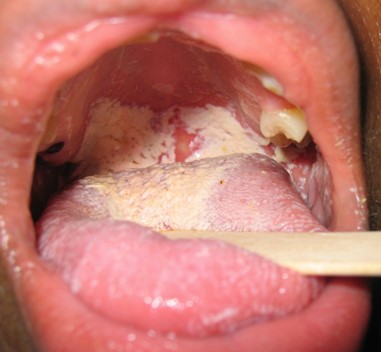
The nurse should suspect candidiasis, also known as oral thrush.
Candidiasis is a fungal infection that can occur in the mouth and is characterized by the presence of a white, milky plaque that does not come off with rubbing.
The child’s use of antibiotics, immunosuppressants, and corticosteroids can increase the risk of developing candidiasis.
Choice A is incorrect because dermatitis is an inflammation of the skin and
would not present as a white plaque in the mouth.
Choice C is incorrect because herpes simplex typically presents as painful blisters or sores in the mouth.
Choice D is incorrect because squamous cell carcinoma typically presents as a firm, painless growth, or ulcer in the mouth.
Correct Answer is D
Explanation
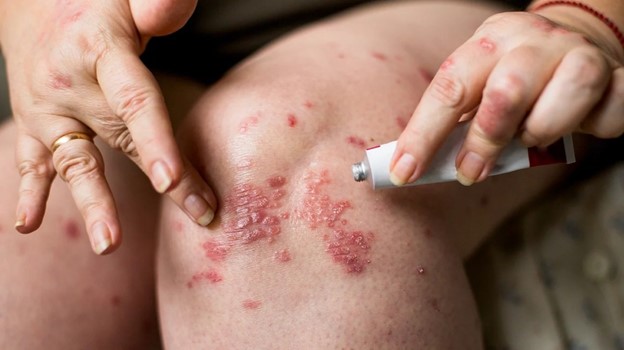
Treatment of eczema may start with regular moisturizing and other self-care habits.
If these don’t help, a healthcare provider might suggest medicated creams that control itching and help repair skin.
Choice A is not correct because woolen clothes can irritate the skin and worsen
eczema.
Choice B is not correct because fabric softeners can irritate the skin and worsen
eczema.
Choice C is not correct because bubble baths can dry out the skin and worsen eczema.
Whether you are a student looking to ace your exams or a practicing nurse seeking to enhance your expertise , our nursing education contents will empower you with the confidence and competence to make a difference in the lives of patients and become a respected leader in the healthcare field.
Visit Naxlex, invest in your future and unlock endless possibilities with our unparalleled nursing education contents today