
A nurse is teaching about denture care to the partner of a client who is unable to perform oral hygiene. Which of the following should the nurse include in the teaching?
Wrap gloved fingers with gauze to remove dentures.
Wipe dentures before storing them in a dry container at night.
Use a washcloth to clean the denture surfaces.
Floss dentures as part of daily cleaning.
The Correct Answer is B
Wipe dentures before storing them in a dry container at night: This is a correct instruction. Before storing dentures overnight, it is important to remove debris and rinse them with water. Wiping the dentures helps to remove any remaining residue or particles and keeps them relatively clean until the next use. Storing dentures in a dry container helps prevent the growth of microorganisms and maintains the shape of the dentures.
Wrap gloved fingers with gauze to remove dentures: This is not the recommended technique for removing dentures. Instead, it is recommended to use a denture brush or a soft-bristled toothbrush with a non-abrasive denture cleaner or mild soap to clean the dentures. The use of gauze may not provide adequate cleaning and may cause damage to the denture surface.
Use a washcloth to clean the denture surfaces: A washcloth is not the ideal tool for cleaning dentures. Instead, a denture brush or a soft-bristled toothbrush should be used. These tools are specifically designed to clean denture surfaces effectively without causing damage.
Floss dentures as part of daily cleaning: Flossing is not necessary for denture cleaning since dentures do not have natural teeth or spaces between them. However, it is important to clean all surfaces of the dentures using a denture brush or a soft-bristled toothbrush to remove plaque, debris, and stains.
Nursing Test Bank
Naxlex Comprehensive Predictor Exams
Related Questions
Correct Answer is A
Explanation
Celiac disease is an autoimmune disorder in which the ingestion of gluten, a protein found in wheat, rye, and barley, triggers an immune response and causes damage to the small intestine. Therefore, individuals with celiac disease need to follow a strict gluten-free diet.
Rice cereal with sliced bananas: This is a suitable choice as long as the rice cereal is gluten-free and there is no cross-contamination with gluten-containing ingredients. Rice is
naturally gluten-free, and fresh fruits like bananas are safe for individuals with celiac disease.
Rye toast with herbal tea: Rye is a gluten-containing grain, so rye toast is not suitable for someone with celiac disease. Herbal tea is typically gluten-free, but the toast is not appropriate.
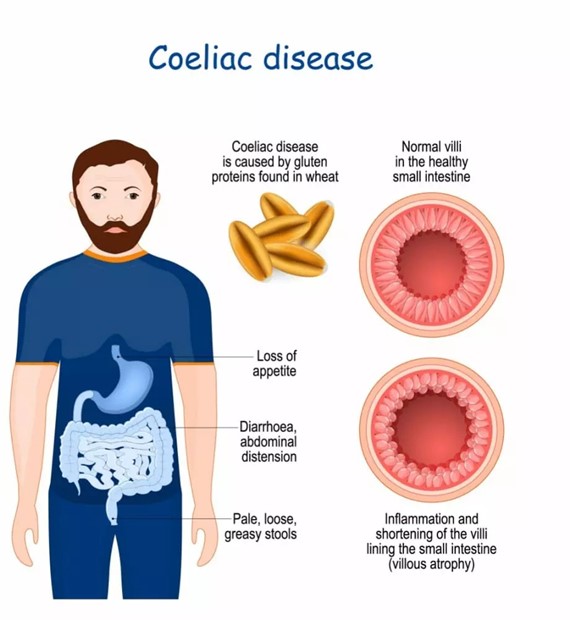
Graham crackers with peanut butter: Graham crackers are usually made with wheat flour, which contains gluten. Therefore, they are not suitable for someone with celiac disease.
Poached eggs with wheat bagel: Wheat is a gluten-containing grain, so a wheat bagel is not appropriate for someone with celiac disease.
It is essential for individuals with celiac disease to carefully read food labels and select gluten-free options.
Correct Answer is A
Explanation
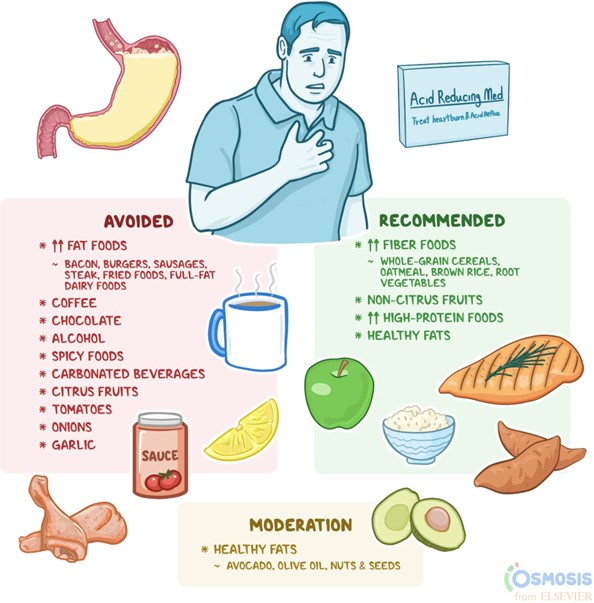
The nurse should identify the statement "I like to drink a glass of warm milk before bed to help me sleep" as a contributing factor to gastroesophageal reflux disease (GERD). Consuming a glass of warm milk before bed can worsen GERD symptoms due to its high-fat content. High-fat foods, including dairy products, can relax the lower esophageal sphincter (LES) and delay gastric emptying, allowing stomach acid to flow back into the esophagus, leading to symptoms of GERD.
"I try to follow a low-fat, high-protein diet to help me maintain my weight": Following a low-fat, high-protein diet is actually beneficial for managing GERD. High-fat foods can worsen GERD symptoms by relaxing the LES and delaying gastric emptying, while a low-fat diet can help reduce symptoms.
"I stopped drinking caffeinated beverages several weeks ago": Avoiding caffeinated beverages is a positive step in managing GERD. Caffeine can stimulate acid production in the stomach and relax the LES, contributing to GERD symptoms.
"I have recently stopped drinking alcohol": Stopping alcohol consumption is also beneficial for managing GERD. Alcohol can relax the LES and increase acid production in the stomach, leading to GERD symptoms.
Whether you are a student looking to ace your exams or a practicing nurse seeking to enhance your expertise , our nursing education contents will empower you with the confidence and competence to make a difference in the lives of patients and become a respected leader in the healthcare field.
Visit Naxlex, invest in your future and unlock endless possibilities with our unparalleled nursing education contents today