
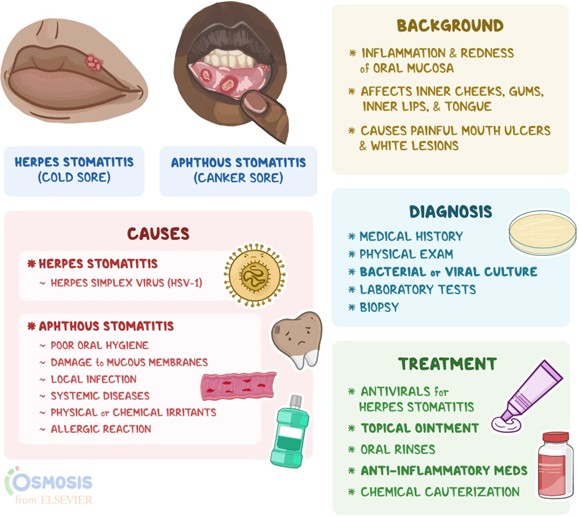
A nurse is caring for a client who has stomatitis following radiation therapy. Which of the following is an appropriate intervention for the nurse to take?
Serve foods without sauces or gravies.
Instruct the client to drink liquids without a straw.
Offer mouth rinses with normal saline and water.
Serve foods while still at a hot temperature.
The Correct Answer is A
An appropriate intervention for a nurse caring for a client with stomatitis following radiation therapy would be to serve foods without sauces or gravies. Stomatitis is the inflammation of the mucous membranes in the mouth, which can cause pain and discomfort. Foods with sauces or gravies can irritate the affected areas and exacerbate the symptoms. Serving plain or bland foods can help alleviate discomfort and promote healing.
Instructing the client to drink liquids without a straw is not specifically related to stomatitis. The use of a straw may not have a direct impact on the condition. However, it is generally recommended to avoid using a straw when there are mouth sores or ulcers to prevent further irritation.
Serving foods while still at a hot temperature is not appropriate for a client with stomatitis. Hot foods can cause additional discomfort and may further irritate the inflamed tissues. It is advisable to serve foods at a cooler or lukewarm temperature to provide relief.
Offering mouth rinses with normal saline and water is not specifically related to stomatitis following radiation therapy. While mouth rinses can be helpful in maintaining oral hygiene and soothing oral tissues, the choice of rinse solution may vary depending on the client's condition and healthcare provider's recommendations. In some cases, a healthcare provider may prescribe a specific mouth rinse or provide instructions on the appropriate solution to use.
Nursing Test Bank
Naxlex Comprehensive Predictor Exams
Related Questions
Correct Answer is D
Explanation
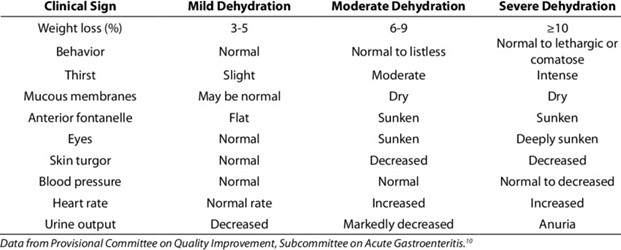
A urine output of 20 mL/hr is considered to be low and suggests decreased fluid intake or fluid loss. In a postoperative client with an indwelling urinary catheter, a low urine output may indicate dehydration, especially if the client is not receiving adequate fluids or experiencing excessive fluid loss.
BUN 15 mg/dL: Blood urea nitrogen (BUN) is a laboratory value that reflects the amount of urea nitrogen in the blood and can be used to assess kidney function and hydration status. A BUN level of 15 mg/dL falls within the normal range, indicating that the client's kidneys are adequately removing urea from the blood. However, it does not provide definitive information about hydration status on its own.
Blood pressure 150/82 mm Hg: The blood pressure reading of 150/82 mm Hg does not provide specific information about hydration status. It is important to consider the client's baseline blood pressure, medical history, and other factors when interpreting blood pressure readings.
Urine specific gravity 1.010: A urine specific gravity of 1.010 falls within the normal range and does not indicate dehydration. It suggests that the concentration of solutes in the urine is within the expected range.
Correct Answer is D
Explanation
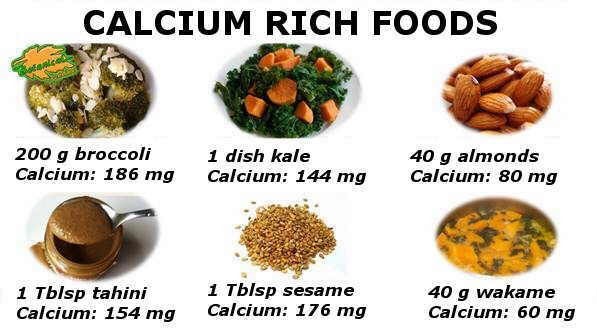
The dietary choice with the highest calcium content among the options provided would be 1 cup of broccoli. Broccoli is a good source of calcium and can contribute to meeting the body's calcium needs.
While tomatoes, bananas, and grapes are healthy fruits, they are not significant sources of calcium. They are lower in calcium content compared to broccoli. However, these fruits do offer other nutritional benefits such as vitamins and antioxidants.
To promote bone health and prevent osteoporosis, it is important to include calcium-rich foods in the diet, such as dairy products (milk, yogurt, cheese), fortified plant-based milk, leafy green vegetables (like broccoli), tofu, and certain fish (like salmon and sardines). Additionally, adequate vitamin D intake and regular weight-bearing exercise are also important for maintaining strong bones.
Whether you are a student looking to ace your exams or a practicing nurse seeking to enhance your expertise , our nursing education contents will empower you with the confidence and competence to make a difference in the lives of patients and become a respected leader in the healthcare field.
Visit Naxlex, invest in your future and unlock endless possibilities with our unparalleled nursing education contents today