
A nurse is planning care for a client who has a new prescription for total parenteral nutrition (TPN). Which of the following actions should the nurse plan to take?
Change the IV tubing for TPN solution every 72 hr.
Remove TPN from the refrigerator 5 min before infusing it.
Discard remaining TPN solution that is still infusing after 24 hr.
Change the dressing around the IV site weekly.
The Correct Answer is C
The nurse should plan to change the IV tubing for the TPN solution every 72 hours. This is necessary to maintain the sterility of the system and minimize the risk of infection. TPN solutions are prone to bacterial growth, and changing the tubing regularly helps prevent contamination.
Removing TPN from the refrigerator 5 minutes before infusing it is not necessary. TPN solutions are typically stored in the refrigerator to maintain their stability and prevent spoilage. It should be brought to room temperature over a longer period of time, usually 30-60 minutes, before administration.
Discarding the remaining TPN solution that is still infusing after 24 hours is unnecessary. TPN solutions can typically be infused for up to 24 hours without compromising their safety and efficacy. However, it is important to monitor the solution closely for any signs of contamination or degradation, and if any concerns arise, the nurse should consult with the healthcare provider.
Changing the dressing around the IV site weekly is not specific to TPN administration. Dressing changes for peripheral IV sites are typically performed according to facility protocols and the condition of the site, but they are not necessarily done on a weekly basis. The frequency of dressing changes depends on factors such as the type of dressing used, the patient's condition, and any signs of infection or dislodgement.
Nursing Test Bank
Naxlex Comprehensive Predictor Exams
Related Questions
Correct Answer is C
Explanation
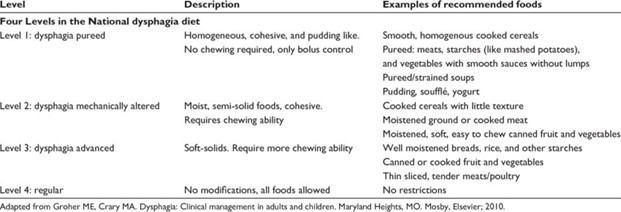
A level 1 dysphagia diet, also known as a pureed diet, is recommended for individuals with severe swallowing difficulties. It involves pureeing or blending all foods to a smooth consistency to facilitate swallowing and prevent choking.
● Chicken noodle soup: This option typically contains solid ingredients such as chicken, noodles, and vegetables, which are not suitable for a level 1 dysphagia diet. The client may have difficulty swallowing these solid components.
● Apple juice: Liquids, including apple juice, are generally not included in a level 1 dysphagia diet as they require minimal swallowing effort. However, it is essential to consult a speech-language pathologist or dysphagia specialist regarding the client's specific liquid consistency recommendations.
● Pudding: Pudding is an ideal choice for a level 1 dysphagia diet as it can be easily pureed to a smooth consistency that is safe for swallowing. It provides a creamy and soft texture that is easier for individuals with dysphagia to manage.
● Milk: Milk is not typically recommended for a level 1 dysphagia diet as it is a liquid and requires minimal swallowing effort. Similar to apple juice, specific liquid consistency recommendations should be sought from a dysphagia specialist.
Correct Answer is A
Explanation
A. Pulse rate of 118/min: In a client with fluid volume deficit, the pulse rate often increases as the body compensates for reduced blood volume.
B. Blood pressure of 152/90 mm Hg: This blood pressure reading does not specifically indicate fluid volume deficit as it can be influenced by various factors, including vascular tone and cardiac function.
C. Temperature of 37.2° C (99° F): This temperature reading is within the normal range and does not directly reflect fluid volume status.
D.Central venous pressure 25 mm Hg: This is elevated and typically suggests fluid volume excess rather than deficit.
Whether you are a student looking to ace your exams or a practicing nurse seeking to enhance your expertise , our nursing education contents will empower you with the confidence and competence to make a difference in the lives of patients and become a respected leader in the healthcare field.
Visit Naxlex, invest in your future and unlock endless possibilities with our unparalleled nursing education contents today