
A nurse is teaching about nutrition to a client who has a new diagnosis of chronic kidney disease. Which of the following recommendations should the nurse include in the teaching?
Limit calcium intake.
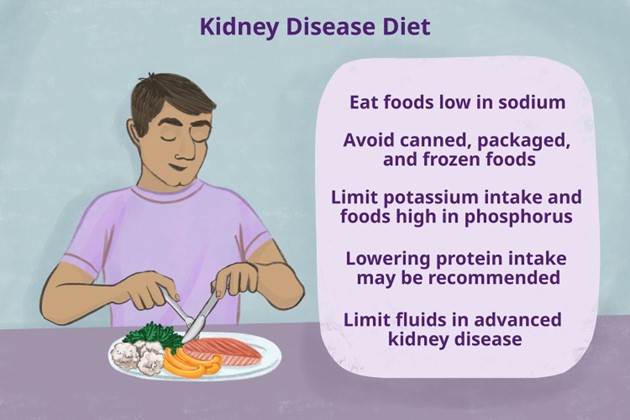
Limit protein intake.
Increase phosphorus intake.
Increase potassium intake.
The Correct Answer is B
Limiting protein intake is an important dietary modification for clients with chronic kidney disease. High protein intake can increase the workload on the kidneys and lead to further decline in kidney function. Restricting protein intake helps reduce the accumulation of waste products in the blood, such as urea and creatinine, which are normally eliminated by the kidneys. The specific amount of protein restriction will depend on the stage of CKD and the client's individual needs. It is important for the client to work with a registered dietitian who specializes in kidney disease to determine the appropriate protein intake.
Limit calcium intake: Calcium intake does not need to be limited unless there are specific complications related to calcium metabolism, such as hypercalcemia or certain types of kidney stones. Calcium is important for bone health, and adequate intake should be maintained unless otherwise directed by the healthcare provider.
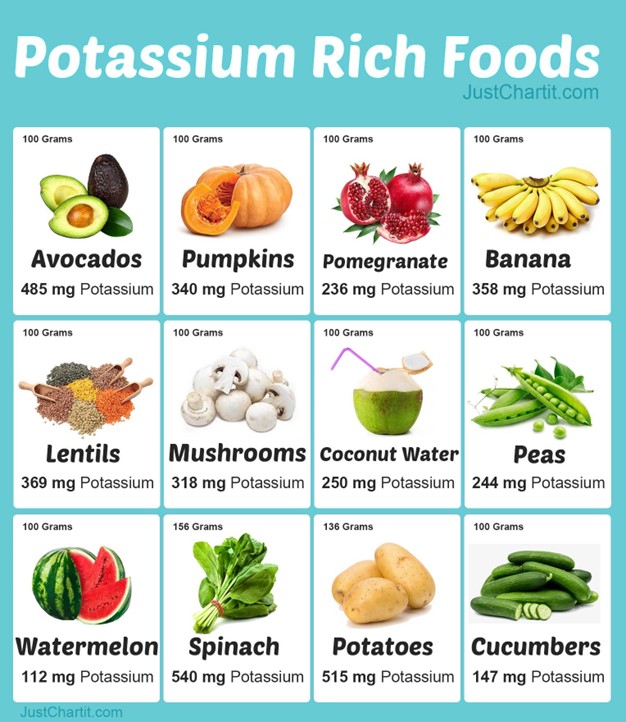
Increase potassium intake: In most cases of chronic kidney disease, potassium intake needs to be limited. Damaged kidneys may have difficulty regulating potassium levels, and high levels of potassium in the blood can be dangerous. The client should be instructed to limit potassium intake and avoid high-potassium foods, such as bananas, oranges, tomatoes, and potatoes, unless specifically advised otherwise by their healthcare provider.
Increase phosphorus intake: Phosphorus intake needs to be restricted in chronic kidney disease, especially in later stages. Elevated levels of phosphorus in the blood can lead to bone and cardiovascular complications. The client should be educated on foods that are high in phosphorus, such as dairy products, nuts, and cola drinks, and instructed to limit their intake
Nursing Test Bank
Naxlex Comprehensive Predictor Exams
Related Questions
Correct Answer is A
Explanation
Bananas: Bananas are a suitable choice for a client taking digoxin and furosemide. Digoxin is a medication commonly prescribed for heart failure and certain heart rhythm disorders, and maintaining adequate potassium levels is important while taking this medication. Bananas are a good source of potassium and can help prevent or correct low potassium levels (hypokalemia), which can be a potential side effect of both digoxin and furosemide.
Green beans: Green beans can be included in the client's diet when taking digoxin and furosemide. While they are a healthy vegetable choice, they do not have a direct impact on the potassium levels affected by these medications.
Blueberries: Blueberries are a nutritious fruit choice, but they do not have a specific relevance to the client's medication regimen of digoxin and furosemide. They can be part of a balanced diet but are not specifically recommended or contraindicated in this context.
Cucumbers: Cucumbers are a refreshing vegetable choice, but they do not have a direct impact on the potassium levels affected by digoxin and furosemide. While maintaining hydration is important, other foods would be more relevant for addressing potassium needs.
Correct Answer is A
Explanation
Avocado is a healthy source of unsaturated fats, which are beneficial for cardiovascular health. Choosing an avocado dip instead of salsa, which is typically low in fat, aligns with the goal of reducing saturated fat intake.
The other statements are incorrect:
Eating the skin on poultry, even if it is broiled, is not recommended for a low-saturated fat diet. Poultry skin contains significant amounts of saturated fat, so it is advisable to remove the skin before consumption to reduce saturated fat intake.
Including 7 ounces of fish in the diet weekly is not specific to a low-saturated fat diet. While fish is a healthy protein source, the recommendation to consume 7 ounces of fish per week is related to the intake of omega-3 fatty acids, which have cardiovascular benefits. However, the specific type of fish and preparation methods should be considered to ensure a low-saturated fat content.
Using margarine on waffles is not advisable for a low-saturated fat diet. Most margarines contain trans fats or hydrogenated oils, which are unhealthy and contribute to an increase in saturated fat intake. It is better to choose healthier alternatives such as spreads made from nuts, seeds, or avocado, or to use a small amount of healthier oils like olive oil or canola oil.
Whether you are a student looking to ace your exams or a practicing nurse seeking to enhance your expertise , our nursing education contents will empower you with the confidence and competence to make a difference in the lives of patients and become a respected leader in the healthcare field.
Visit Naxlex, invest in your future and unlock endless possibilities with our unparalleled nursing education contents today