
A nurse who works in a long-term care facility is delegating aspects of client care to unlicensed assistive personnel (UAP). Which assignment(s) should the nurse delegate? (Select all that apply.)
Identify locations of skin lesions on a newly admitted client.
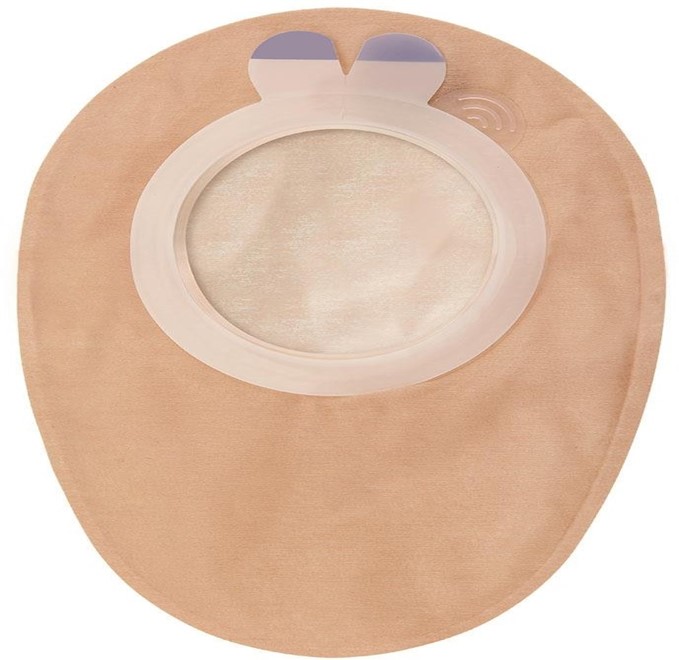
Empty the ostomy bag for a client with a temporary colostomy.
Provide a complete bed bath for a comatose client.
Perform foot care including toenail trimming and heel care.
Give mouth care to an elderly client who has a tracheostomy.
Correct Answer : B,C
Choice A Reason: Identifying locations of skin lesions on a newly admitted client is a nursing assessment that requires clinical judgment and cannot be delegated to the UAP.
Choice B Reason: Emptying the ostomy bag for a client with a temporary colostomy is a routine task that does not require clinical judgment and can be delegated to the UAP.
Choice C Reason: Providing a complete bed bath for a comatose client is a routine task that does not require clinical judgment and can be delegated to the UAP.
Choice D Reason: Performing foot care including toenail trimming and heel care is a nursing intervention that requires clinical judgment and cannot be delegated to the UAP. The UAP may cause injury or infection to the client's feet, especially if the client has diabetes or peripheral vascular disease.
Choice E Reason: Giving mouth care to an elderly client who has a tracheostomy is a nursing intervention that requires clinical judgment and cannot be delegated to the UAP. The UAP may cause trauma or aspiration to the client's trachea, especially if the client has poor oral hygiene or respiratory secretions.
Nursing Test Bank
Naxlex Comprehensive Predictor Exams
Related Questions
Correct Answer is A
Explanation
Choice A Reason: Influenza is transmitted primarily through respiratory droplets. Droplet precautions require healthcare workers to wear a mask (surgical mask) when in close contact with a client. The UAP is already wearing gloves and a gown, which are appropriate for contact precautions but incomplete without a face mask for droplet protection.
Choice B Reason: A fitted respirator (e.g., N95) is unnecessary unless the client is suspected or confirmed to have an airborne transmissible disease such as tuberculosis. Influenza does not require airborne precautions.
Choice C Reason: Assigning the UAP to provide care for another client and assuming full care of the client is not necessary or feasible because it would increase the workload of the nurse and reduce the quality of care for both clients. The UAP can still assist with care for clients with influenza as long as they follow proper infection control measures.
Choice D Reason: Instructing the UAP to notify the nurse of any changes in the client's respiratory status is important but not a priority action because it does not address the issue of preventing transmission of influenza. The nurse should first ensure that the UAP wears appropriate personal protective equipment before entering the client's room.
Correct Answer is A
Explanation
Choice A reason: This client has signs of dehydration and fluid volume deficit, which can lead to shock, a life-threatening condition that occurs when the body's organs are not receiving enough blood flow. The nurse should monitor the client's vital signs, urine output, skin color, and level of consciousness, and report any changes to the physician.
Choice B reason: Initiating enteric precaution procedures is important to prevent the spread of infection, as vomiting and diarrhea may be caused by a contagious pathogen. However, this is not the most important action for the nurse to implement, as it does not address the client's immediate risk of shock.
Choice C reason: Reducing light, noise and temperature may help the client feel more comfortable and reduce nausea, but it is not the most important action for the nurse to implement, as it does not address the client's fluid volume deficit and potential shock.
Choice D reason: Encouraging electrolyte supplements may help replenish the electrolytes lost through vomiting and diarrhea, but it is not the most important action for the nurse to implement, as it may not be enough to restore the fluid balance and prevent shock. The client may need intravenous fluids and medications to correct the dehydration and hypotension.
Whether you are a student looking to ace your exams or a practicing nurse seeking to enhance your expertise , our nursing education contents will empower you with the confidence and competence to make a difference in the lives of patients and become a respected leader in the healthcare field.
Visit Naxlex, invest in your future and unlock endless possibilities with our unparalleled nursing education contents today