
A nurse working in a clinic is reinforcing teaching with a client who has hepatitis A. Which of the following client statements indicates an understanding of the teaching?
"I will use different hand towels than others in my home."
"I will wash my hands using an alcohol-based cleanser."
"I can continue to prepare meals for my family."
"I know that this virus is transmitted by contact with my blood."
The Correct Answer is A
Hepatitis A is primarily transmitted through the fecal-oral route, often due to contaminated food or water. However, it can also spread through close personal contact, including sharing towels, utensils, or other personal items. By using different hand towels than others in the home, the client demonstrates an understanding of the importance of preventing the transmission of the virus.
While hand hygiene is essential in preventing the spread of infectious diseases, including hepatitis A, alcohol-based cleansers are not effective against the hepatitis A virus. Washing hands with soap and water for at least 20 seconds is the recommended method to remove the virus from the hands.
Hepatitis A can be spread through contaminated food, so it is important for the client to avoid preparing food for others during the acute phase of the illness and until cleared by a healthcare professional.
Hepatitis A is not typically transmitted through contact with blood. It is primarily transmitted through the fecal-oral route or close personal contact with an infected individual.
Nursing Test Bank
Naxlex Comprehensive Predictor Exams
Related Questions
Correct Answer is C
Explanation
Maintaining a healthy lifestyle is crucial for managing mild hypertension. One of the key lifestyle changes recommended for individuals with hypertension is reducing salt (sodium) intake.
The American Heart Association recommends limiting sodium intake to no more than 2,300 milligrams (about 2 grams) per day. By expressing the goal to decrease salt intake to 2 grams per day, the client demonstrates an understanding of the teaching.
Correct Answer is D
Explanation
d. Muscle pain.
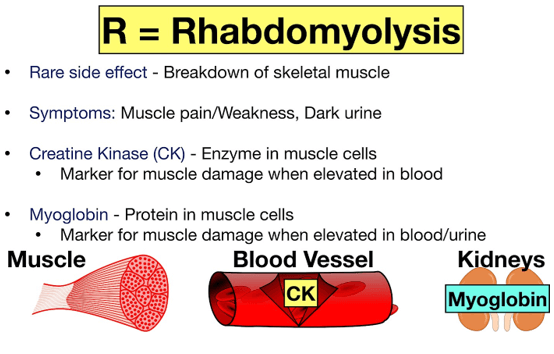
Atorvastatin is a medication used to lower cholesterol levels in the blood. One of the potential adverse effects of atorvastatin is myopathy, a condition characterized by muscle pain, weakness, and tenderness. In severe cases, myopathy can progress to rhabdomyolysis, a potentially life-threatening condition in which muscle breakdown products are released into the bloodstream and can cause kidney damage.
Therefore, the nurse should instruct the client to monitor for muscle pain, weakness, or tenderness and report these symptoms to the healthcare provider immediately. Hypoglycemia, palpitations, and daytime drowsiness are not commonly associated with atorvastatin use and would not require immediate reporting to the healthcare provider.
Whether you are a student looking to ace your exams or a practicing nurse seeking to enhance your expertise , our nursing education contents will empower you with the confidence and competence to make a difference in the lives of patients and become a respected leader in the healthcare field.
Visit Naxlex, invest in your future and unlock endless possibilities with our unparalleled nursing education contents today