
A patient complains of worsening nasal congestion despite the use of oxymetazoline (Afrin) nasal spray every 2 to 4 hours for the past 5 days. The nurse's response is based on the knowledge that
Oxymetazoline should be administered in an hourly regimen for severe congestion.
Oxymetazoline is not an effective nasal decongestant
Sustained use of nasal decongestants over several days may result in rebound congestion
The patient is probably displaying an idiosyncratic reaction to oxymetazoline
The Correct Answer is C
Rebound congestion, also known as rhinitis medicamentosa, is a common adverse effect associated with the prolonged use of nasal decongestants. It occurs when the blood vessels in the nasal passages become dependent on the medication for constriction and lose their ability to regulate naturally. As a result, when the medication wears off, the nasal congestion worsens, leading to a cycle of continued use and worsening symptoms.
In this scenario, the patient's complaint of worsening nasal congestion despite using oxymetazoline every 2 to 4 hours for the past 5 days suggests the possibility of rebound congestion. The nurse should explain to the patient that prolonged or frequent use of nasal decongestants can lead to this effect and recommend gradually tapering off the medication use or discontinuing it altogether. The nurse may also suggest alternative non-medication strategies for managing nasal congestion, such as saline nasal sprays or steam inhalation.
Nursing Test Bank
Naxlex Comprehensive Predictor Exams
Related Questions
Correct Answer is C
Explanation
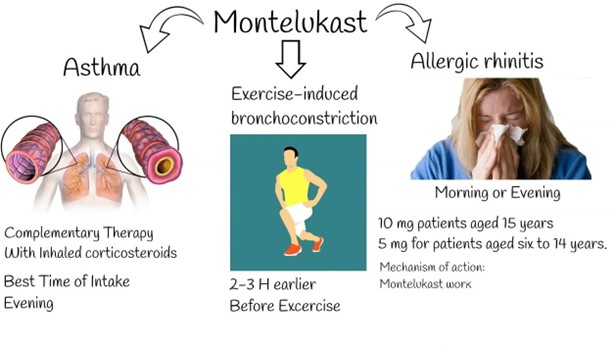
Montelukast is a leukotriene receptor antagonist commonly used to manage asthma and allergic rhinitis. Its primary therapeutic effect is to improve respiratory symptoms by reducing inflammation and constriction of the airways. Therefore, an increased ease of breathing would be an expected outcome indicating that the medication is working effectively.
The other options are incorrect because:
A. The client's seizure threshold is reduced: Montelukast does not have any effect on the seizure threshold. This outcome is unrelated to the medication and may be indicative of a different condition or treatment.
B. The client experiences less muscle pain: Montelukast is not indicated for reducing muscle pain. This outcome is unrelated to the medication and may be indicative of a different condition or treatment.
D. The client's platelet count is increased: Montelukast does not have an effect on platelet count. This outcome is unrelated to the medication and may be indicative of a different condition or treatment.
Correct Answer is A
Explanation
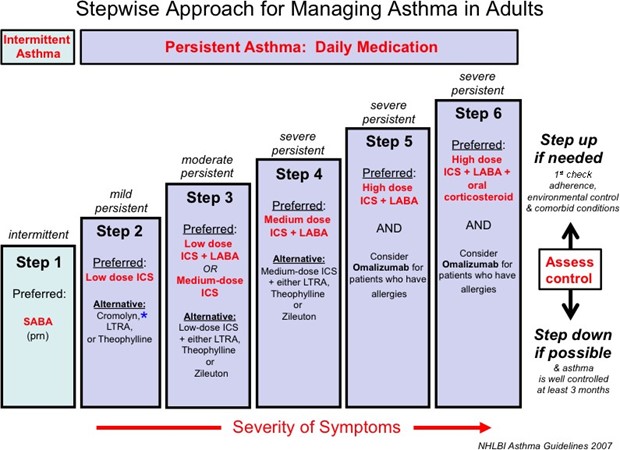
A. Albuterol is a bronchodilator that provides quick relief by relaxing the muscles around the airways, making it essential to use before a corticosteroid like beclomethasone, which reduces inflammation. Using albuterol first allows for better delivery of the beclomethasone to the airways.
B. I will use both medications immediately after exercising. Albuterol may be used as a rescue inhaler before exercise to prevent exercise-induced bronchospasm, but beclomethasone is a maintenance medication and should not be used immediately after exercising unless prescribed.
C. "If my breathing begins to feel tight, I will use the beclomethasone inhaler immediately.” Beclomethasone is a long-term control medication, not a rescue inhaler. If breathing feels tight or there is an asthma attack, the client should use the albuterol inhaler for immediate relief.
D. I will administer the medications 10 minutes apart.While there is no strict rule about the timing between inhaler uses, the albuterol should be used first to open the airways, and while waiting a few minutes is acceptable, the emphasis should be on using albuterol before beclomethasone rather than a specific time frame.
Whether you are a student looking to ace your exams or a practicing nurse seeking to enhance your expertise , our nursing education contents will empower you with the confidence and competence to make a difference in the lives of patients and become a respected leader in the healthcare field.
Visit Naxlex, invest in your future and unlock endless possibilities with our unparalleled nursing education contents today