
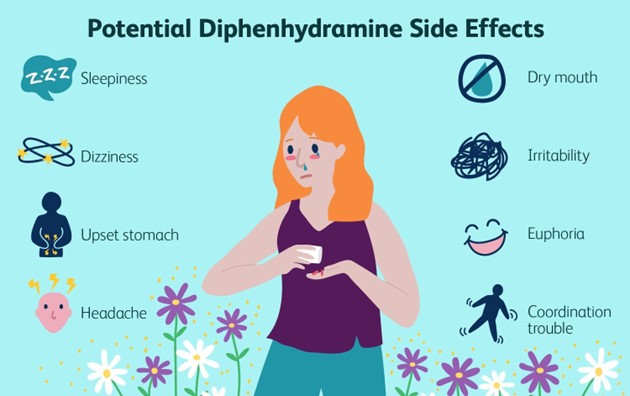
A nurse is caring for a client who has poison ivy and is prescribed diphenhydramine. Which of the following instructions should the nurse give regarding the adverse effect of dry mouth associated with diphenhydramine?
"Administer the medication with food."
"Discontinue the medication and notify your provider.”
"Place a humidifier at your bedside every evening.”
“Chew on sugarless gum or suck on hard, sour candies."
The Correct Answer is D
Dry mouth is a common side effect of diphenhydramine, which is an antihistamine medication commonly used to relieve symptoms of allergies, including itching and rash. Chewing on sugarless gum or sucking on hard, sour candies can help stimulate saliva production and alleviate the discomfort of dry mouth.
A. "Administer the medication with food": While taking diphenhydramine with food may help reduce the risk of stomach upset, it does not directly address the dry mouth side effect.
B. "Discontinue the medication and notify your provider": Discontinuing the medication without consulting the healthcare provider is not recommended unless specifically instructed to do so. Dry mouth is a common side effect of diphenhydramine and can be managed with supportive measures.
C. "Place a humidifier at your bedside every evening": While using a humidifier can help add moisture to the air and potentially alleviate dryness in the environment, it is not a specific instruction for managing dry mouth caused by diphenhydramine.
Nursing Test Bank
Naxlex Comprehensive Predictor Exams
Related Questions
Correct Answer is A
Explanation
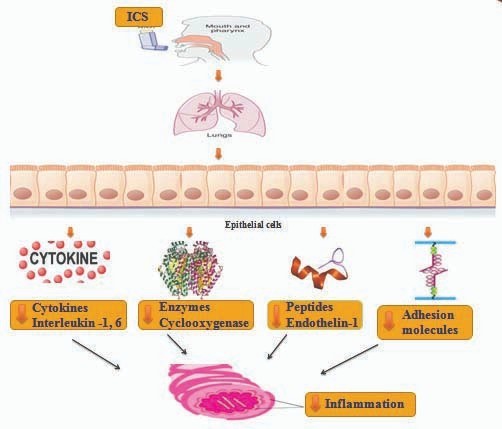
Inhaled fluticasone (Flovent) is a corticosteroid medication that is commonly used in the treatment of asthma. It works by reducing inflammation in the airway, which is a key component of asthma. By decreasing inflammation, it helps to prevent and control asthma symptoms, such as wheezing, coughing, and shortness of breath.
The other options mentioned are incorrect:
B. Relieves symptoms of an acute asthma attack: Inhaled fluticasone is not intended for immediate relief during an acute asthma attack. It is a long-term control medication used to manage and prevent asthma symptoms.
C. Causes immediate bronchodilation: Fluticasone does not cause immediate bronchodilation, which refers to the widening of the airways to improve breathing. Bronchodilation is typically achieved with short-acting beta-agonist medications, such as albuterol.
D. Reduces blood pressure and heart rate: Fluticasone is not known to have a direct effect on blood pressure or heart rate. Its primary action is to reduce inflammation in the airway for the management of asthma.
Correct Answer is C
Explanation
Expectorants are medications that help to loosen and thin mucus in the respiratory tract, making it easier to cough up and expel. They work by increasing the production of respiratory tract secretions, which helps to hydrate and thin the mucus, making it less sticky and easier to clear from the airways. By stimulating the production and secretion of mucus, expectorants promote coughing and facilitate the removal of excess mucus and phlegm from the respiratory system.
It's important to note that expectorants are primarily used for productive coughs (coughs that produce phlegm or mucus). If the cough is dry and non-productive, other types of cough suppressants or remedies may be more appropriate.
Regarding the other options:
Reduces inflammation: Expectorants do not have a direct effect on reducing inflammation in the respiratory tract. Anti-inflammatory medications such as glucocorticoids are typically used for reducing inflammation in conditions like asthma or chronic obstructive pulmonary disease (COPD).
Dries mucous membranes: Expectorants do not have a drying effect on mucous membranes. In fact, they work to increase the hydration and fluidity of respiratory secretions.
Suppresses the urge to cough: Expectorants do not suppress the urge to cough. They promote coughing by facilitating the clearance of mucus and phlegm from the airways. Cough suppressants, on the other hand, are medications used to relieve a dry, non-productive cough by suppressing the cough reflex.

Whether you are a student looking to ace your exams or a practicing nurse seeking to enhance your expertise , our nursing education contents will empower you with the confidence and competence to make a difference in the lives of patients and become a respected leader in the healthcare field.
Visit Naxlex, invest in your future and unlock endless possibilities with our unparalleled nursing education contents today