
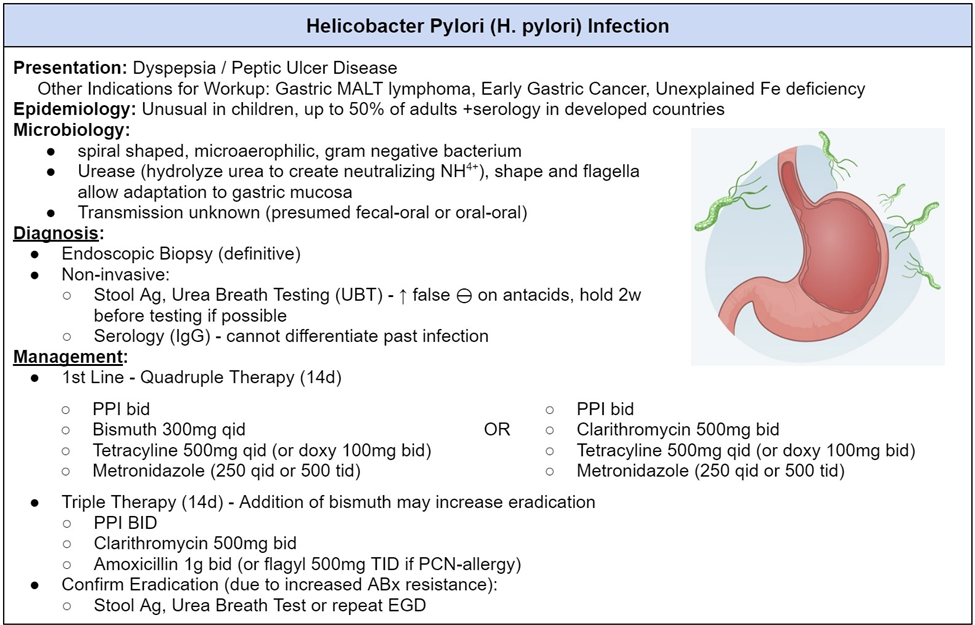
A patient is suspected to have peptic ulcer disease from H. pylori. The patient asks the nurse what kind of testing will be done to determine the cause of the peptic ulcer. What will the nurse tell the client?
blood cultures will need to be drawn.
a biopsy of the stomach will be done.
a breath test will be performed.
computerized scanning will identify if H. pylori is present.
The Correct Answer is C
A. Blood cultures will need to be drawn.
Blood cultures are not typically used for diagnosing H. pylori infection. Instead, specific blood tests, such as serology or antibody tests, may be employed to detect antibodies against H. pylori.
B. A biopsy of the stomach will be done.
While a biopsy may be taken during an upper endoscopy to examine the stomach lining for ulcers and H. pylori infection, it is not the primary method for detecting the presence of H. pylori. The biopsy may be used for confirming the infection and assessing the severity of damage.
C. A breath test will be performed.
This is the correct choice. The breath test is a common and non-invasive method used to detect the presence of H. pylori. The patient drinks a solution containing a substance that H. pylori can break down, and the detection of carbon dioxide in the patient's breath indicates the presence of the bacteria.
D. Computerized scanning will identify if H. pylori is present.
Computerized scanning, such as computed tomography (CT) scans, is not a primary method for detecting H. pylori. Imaging studies are not typically used for H. pylori diagnosis, and the methods mentioned earlier, like breath tests and endoscopy, are more commonly employed.
Nursing Test Bank
Naxlex Comprehensive Predictor Exams
Related Questions
Correct Answer is D
Explanation
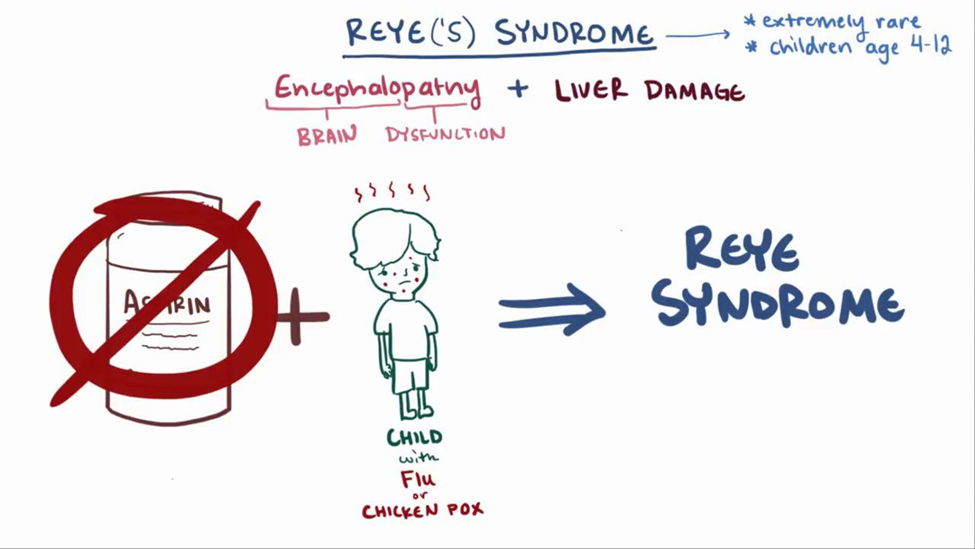
A. Aspirin has the potential to cause gastrointestinal (GI) bleeding in children.
While it is true that aspirin can cause GI bleeding, this is not the primary concern in this scenario. Reye's syndrome, a severe and potentially fatal condition, is the more significant worry when aspirin is given to children with viral infections.
B. Aspirin has the potential to cause hyperglycemia.
Hyperglycemia (high blood sugar) is not a known effect of aspirin in children. Aspirin is not typically associated with glucose metabolism issues.
C. Aspirin has the potential to cause ringing in the ears (tinnitus) in children.
Tinnitus can occur with aspirin use, but it is not the primary concern in this situation. Reye's syndrome is a more serious and immediate risk associated with aspirin use in children with viral infections.
D. Aspirin has the potential to cause Reye's syndrome in children.
This is the correct and most significant concern. Reye's syndrome is a rare but severe condition associated with aspirin use in children during or after viral infections. It affects the liver and brain and can be life-threatening.
Correct Answer is C
Explanation
A. As requested by the patient.
Administering the drug only when requested by the patient may not provide adequate prophylaxis against chemotherapy-induced nausea and vomiting. These medications are often prescribed on a schedule to prevent symptoms rather than treating them reactively.
B. 1 hour after chemotherapy administration.
Waiting until 1 hour after chemotherapy administration may not cover the full period during which nausea and vomiting are likely to occur. The administration schedule for antiemetics is often more extended to provide better coverage.
C. The night before the treatment, the day of the treatment, and for 24 hours after the treatment.
This is the correct choice. Administering phenothiazine antiemetics according to this schedule helps ensure continuous coverage during the critical period when chemotherapy-induced nausea and vomiting are most likely to occur.
D. The day of treatment.
Administering the drug only on the day of treatment may not provide sufficient coverage for the entire duration when chemotherapy-induced nausea and vomiting can occur. Again, the schedule mentioned in option C is more comprehensive for prevention.
Whether you are a student looking to ace your exams or a practicing nurse seeking to enhance your expertise , our nursing education contents will empower you with the confidence and competence to make a difference in the lives of patients and become a respected leader in the healthcare field.
Visit Naxlex, invest in your future and unlock endless possibilities with our unparalleled nursing education contents today