
A patient presents with symptoms of hypothyroidism. Which hormone levels would you expect to be low?
Insulin
Cortisol
Triiodothyronine (T3) and Thyroxine (T4)
Thyroid-stimulating hormone (TSH)
The Correct Answer is C
A. Insulin: Insulin is produced by the pancreas and regulates blood glucose levels. Low levels of insulin are associated with Diabetes Mellitus, not hypothyroidism.
B. Cortisol: Cortisol is a steroid hormone produced by the adrenal glands, largely in response to stress. Low levels are associated with adrenal insufficiency (Addison's disease).
C. Triiodothyronine (T3) and Thyroxine (T4): Hypothyroidism is defined by the underactive state of the thyroid gland, leading to insufficient production of thyroid hormones T3 and T4. These hormones regulate metabolism; when they are low, the body's metabolic processes slow down.
D. Thyroid-stimulating hormone (TSH): In the most common form of hypothyroidism (primary hypothyroidism), TSH levels are actually high. This is because the pituitary gland detects the low T3/T4 levels and secretes more TSH in an attempt to stimulate the sluggish thyroid gland. TSH would only be low in secondary hypothyroidism (pituitary failure), but T3/T4 are the direct measures of thyroid output.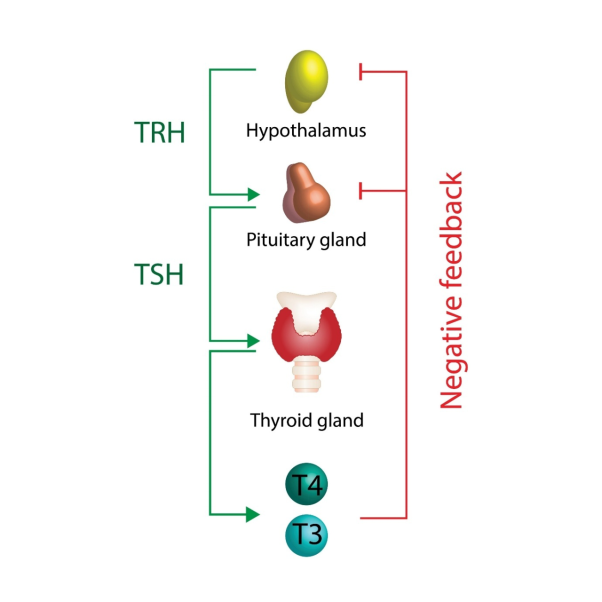
Nursing Test Bank
Naxlex Comprehensive Predictor Exams
Related Questions
Correct Answer is A
Explanation
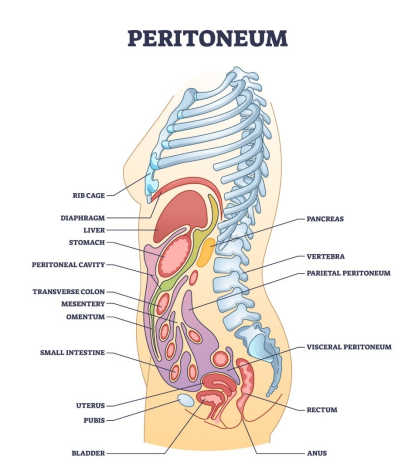
A. Providing support and reducing friction:The peritoneum is a continuous serous membrane that lines the abdominal cavity and covers the abdominal organs. It secretes a lubricating serous fluid that allows organs to glide against each other without friction during digestion and movement. It also helps suspend organs in place via folds (mesenteries).
B. Producing digestive enzymes:Digestive enzymes are primarily produced by the glandular organs such as the pancreas, salivary glands, stomach lining, and the small intestine, not the peritoneal membrane.
C. Storing bile:Bile is produced by the liver and stored/concentrated in the gallbladder.
D. Filtering waste products:The filtration of waste products from the blood is the primary function of the kidneys(and to a metabolic extent, the liver), not the peritoneum.
Correct Answer is A
Explanation
A. To line and support the abdominal cavity and its organs:The peritoneum is a serous membrane that forms the lining of the abdominal cavity (parietal peritoneum) and covers most of the intra-abdominal organs (visceral peritoneum). It supports the organs, holds them in place, and secretes serous fluid to reduce friction during movement (like digestion).
B. To secrete hormones that regulate metabolism:This is the primary function of the endocrine system (e.g., thyroid gland, pancreas, adrenal glands), not the peritoneal membrane.
C. To facilitate gas exchange in the lungs:Gas exchange occurs in the alveoli of the lungs. The membrane lining the thoracic cavity and lungs is the pleura, not the peritoneum.
D. To protect the brain and spinal cord:The protective membranes covering the central nervous system (brain and spinal cord) are collectively called the meninges(dura mater, arachnoid mater, and pia mater).
Whether you are a student looking to ace your exams or a practicing nurse seeking to enhance your expertise , our nursing education contents will empower you with the confidence and competence to make a difference in the lives of patients and become a respected leader in the healthcare field.
Visit Naxlex, invest in your future and unlock endless possibilities with our unparalleled nursing education contents today