
A psychiatric nurse is caring for a young adult client who says he is experiencing increased anxiety and an inability to concentrate. Which of the following responses should the nurse make?
"Have you talked to your friends about this yet?"
"I have problems too, everybody has problems."
"How long has this been going on?
"Have you talked to your parents about this yet?
The Correct Answer is C
This response acknowledges the client's concerns and invites further discussion about their experience. The nurse can use this information to assess the severity and duration of the client's symptoms, as well as any potential triggers or stressors that may be contributing to their anxiety and inability to concentrate.
Option a "Have you talked to your friends about this yet?" may not be an appropriate response, as the client may need more professional support than what their friends can provide.
Option b "I have problems too, everybody has problems" may be dismissive of the client's concerns and may not help them feel heard or understood.
Option d "Have you talked to your parents about this yet?" may not be an appropriate response, as the client may not feel comfortable discussing their concerns with their parents or may need more professional support than what their parents can provide.
Option e "Why do you think you are so anxious?" may be seen as confrontational and may not help the client feel heard or understood.
Option f "It sounds like you're having a difficult time" acknowledges the client's concerns but does not invite further discussion or provide an opportunity for the nurse to gather more information.
Nursing Test Bank
Naxlex Comprehensive Predictor Exams
Related Questions
Correct Answer is C
Explanation
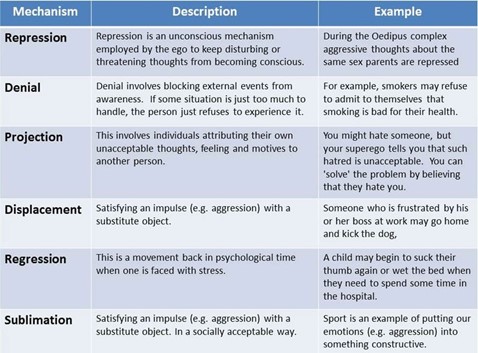
Rationalization is a defence mechanism in which a person attempts to justify or explain their behavior or actions in a way that makes them seem more acceptable or reasonable. In this case, the client is using rationalization by attributing their alcohol abuse to their job and the need to drink with clients at parties.
Option a. Compensation is a defense mechanism in which a person attempts to make up for a perceived weakness or deficiency by excelling in another area.
Option b. Suppression is a defense mechanism in which a person consciously chooses to avoid thinking about or dealing with unpleasant thoughts or feelings.
Option d. Reaction-formation is a defense mechanism in which a person behaves in a way that is opposite to their true feelings or desires.
Correct Answer is B
Explanation
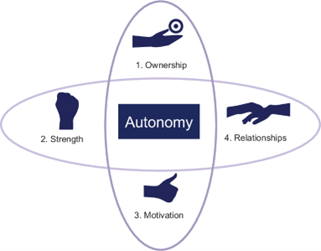
The ethical principle of autonomy refers to an individual's right to make decisions about their own healthcare, treatment, and life choices. As a registered nurse, it is important to respect and promote the autonomy of patients. Option b best exemplifies the implementation of the ethical principle of autonomy because it involves exploring alternative solutions with the patient and allowing them to make their own choice among those alternatives. This approach respects the patient's right to make decisions about their own care, while also ensuring that they have the information they need to make an informed decision.
Option a suggests that the nurse is imposing their own decision on the patients, which violates the principle of autonomy.
Option c may involve staying with the patient to provide support and reassurance, but it does not necessarily involve promoting the patient's autonomy.
Option d involves intervening to prevent harm to the patient, which may be necessary at times but is not necessarily an example of promoting the patient's autonomy.
Whether you are a student looking to ace your exams or a practicing nurse seeking to enhance your expertise , our nursing education contents will empower you with the confidence and competence to make a difference in the lives of patients and become a respected leader in the healthcare field.
Visit Naxlex, invest in your future and unlock endless possibilities with our unparalleled nursing education contents today