
A psychiatric registered nurse best implements the ethical principle of autonomy when he or she:
Select one:
suggests that two patients who have been fighting stay in their rooms.
explores alternative solutions with a patient, who then makes his/her own choice among the alternatives
stays with a patient who is demonstrating a severe level of anxiety.
intervenes when a self-mutilating patient attempts to harm him/herself.
The Correct Answer is B
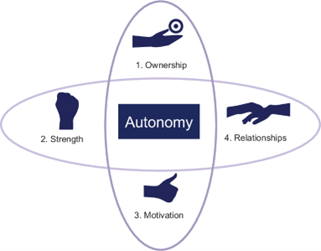
The ethical principle of autonomy refers to an individual's right to make decisions about their own healthcare, treatment, and life choices. As a registered nurse, it is important to respect and promote the autonomy of patients. Option b best exemplifies the implementation of the ethical principle of autonomy because it involves exploring alternative solutions with the patient and allowing them to make their own choice among those alternatives. This approach respects the patient's right to make decisions about their own care, while also ensuring that they have the information they need to make an informed decision.
Option a suggests that the nurse is imposing their own decision on the patients, which violates the principle of autonomy.
Option c may involve staying with the patient to provide support and reassurance, but it does not necessarily involve promoting the patient's autonomy.
Option d involves intervening to prevent harm to the patient, which may be necessary at times but is not necessarily an example of promoting the patient's autonomy.
Nursing Test Bank
Naxlex Comprehensive Predictor Exams
Related Questions
Correct Answer is A
Explanation
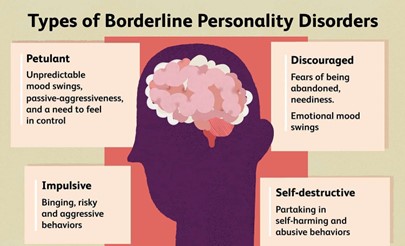
Borderline personality disorder is a serious mental illness characterized by instability in mood, behaviour, and self-image. Patients with borderline personality disorder are at a high risk of self-harm, suicide, and impulsive behaviours. Therefore, the nurse's priority assessment should be to identify any suicidal or homicidal ideations, as these can be life-threatening emergencies. Once identified, appropriate interventions should be initiated, such as suicide precautions, crisis management, and referral to mental health professionals for further evaluation and treatment.
While sleep patern changes, impulsive behaviours, and support systems are also important aspects to assess in patients with borderline personality disorder, they are not the priority when compared to suicidal or homicidal ideations.
Correct Answer is D
Explanation
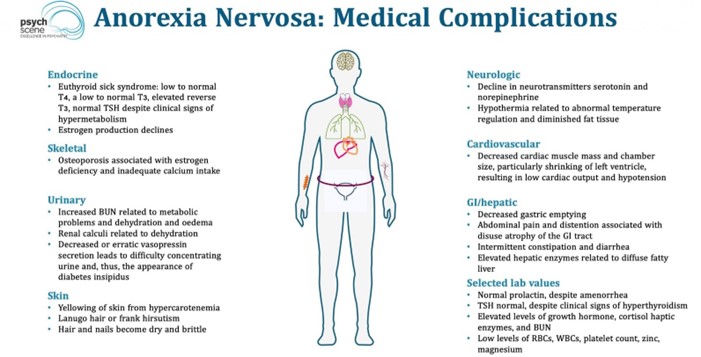
Refeeding syndrome is a potentially life-threatening complication that can occur when a person with anorexia nervosa or other forms of malnutrition begins to eat again after a period of starvation. It is characterized by electrolyte imbalances and fluid shifts that can lead to cardiovascular dysfunction, including heart failure and arrhythmias. Therefore, when caring for a patient with anorexia nervosa who is being refed, it is important for the nurse to closely monitor the patient’s cardiovascular system for signs of dysfunction.
Option a. Endocrine system dysfunction can occur in patients with anorexia nervosa, but it is not typically associated with refeeding syndrome.
Option b. Respiratory system dysfunction can occur in patients with anorexia nervosa, but it is not typically associated with refeeding syndrome.
Option c. Musculoskeletal system dysfunction can occur in patients with anorexia nervosa, but it is not typically associated with refeeding syndrome.
Whether you are a student looking to ace your exams or a practicing nurse seeking to enhance your expertise , our nursing education contents will empower you with the confidence and competence to make a difference in the lives of patients and become a respected leader in the healthcare field.
Visit Naxlex, invest in your future and unlock endless possibilities with our unparalleled nursing education contents today