
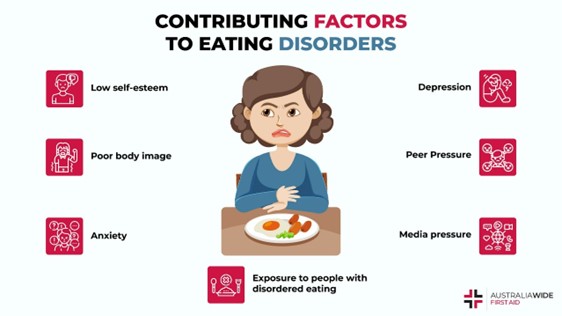
Which assessment finding for a client diagnosed with an eating disorder meets a criterion for
hospitalization? Select one:
Pulse rate: 55 beats/min
Serum potassium: 3.5 mEq/L
Systolic blood pressure: 62 mm Hg
urine output: 90 ml/3 hr.
The Correct Answer is C
A systolic blood pressure of 62 mm Hg indicates severe hypotension and is a medical emergency. This is a life-threatening situation that requires immediate hospitalization for stabilization and treatment. Clients with eating disorders are at risk of electrolyte imbalances, cardiac complications, and other medical complications due to malnutrition and dehydration. While the other options are also abnormal findings, they are not as severe as the critically low blood pressure measurement. Therefore, the priority for hospitalization would be the client with severe hypotension.
Nursing Test Bank
Naxlex Comprehensive Predictor Exams
Related Questions
Correct Answer is C
Explanation
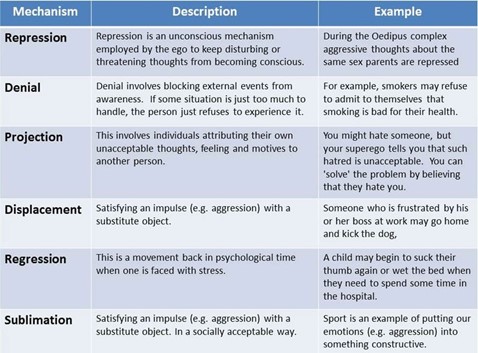
Rationalization is a defence mechanism in which a person attempts to justify or explain their behavior or actions in a way that makes them seem more acceptable or reasonable. In this case, the client is using rationalization by attributing their alcohol abuse to their job and the need to drink with clients at parties.
Option a. Compensation is a defense mechanism in which a person attempts to make up for a perceived weakness or deficiency by excelling in another area.
Option b. Suppression is a defense mechanism in which a person consciously chooses to avoid thinking about or dealing with unpleasant thoughts or feelings.
Option d. Reaction-formation is a defense mechanism in which a person behaves in a way that is opposite to their true feelings or desires.
Correct Answer is B
Explanation
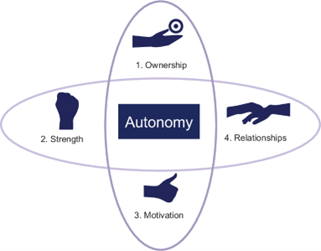
The ethical principle of autonomy refers to an individual's right to make decisions about their own healthcare, treatment, and life choices. As a registered nurse, it is important to respect and promote the autonomy of patients. Option b best exemplifies the implementation of the ethical principle of autonomy because it involves exploring alternative solutions with the patient and allowing them to make their own choice among those alternatives. This approach respects the patient's right to make decisions about their own care, while also ensuring that they have the information they need to make an informed decision.
Option a suggests that the nurse is imposing their own decision on the patients, which violates the principle of autonomy.
Option c may involve staying with the patient to provide support and reassurance, but it does not necessarily involve promoting the patient's autonomy.
Option d involves intervening to prevent harm to the patient, which may be necessary at times but is not necessarily an example of promoting the patient's autonomy.
Whether you are a student looking to ace your exams or a practicing nurse seeking to enhance your expertise , our nursing education contents will empower you with the confidence and competence to make a difference in the lives of patients and become a respected leader in the healthcare field.
Visit Naxlex, invest in your future and unlock endless possibilities with our unparalleled nursing education contents today